The Cinema of One: How AI Short Films Are Changing the Industry
There was a time when making a short film meant maxing out credit cards, calling in favors from every friend you had, and hoping it didn’t rain on the one day you rented the camera. The gap between your “vision” and the final “result” was usually painful.
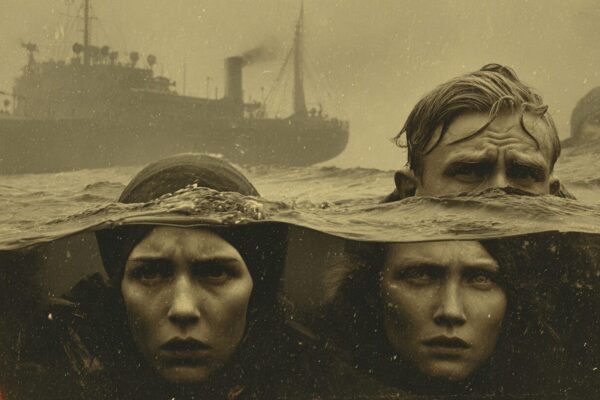
Today, that gap has closed. The rise of the AI film maker means that the only limit to your film is the scope of your imagination. We are seeing a renaissance of short films that look like million-dollar productions but were created by a single AI video artist with a laptop.
Professional Quality, Accessible to All
The defining characteristic of this new era is “accessibility.” In the past, “indie” often meant “low budget look.” Now, AI video production tools allow for:
Cinematographic Lighting: You can request “golden hour lighting,” “cyberpunk neon,” or “film noir shadows,” and the AI renders it perfectly.
Complex Camera Moves: Sweeping drone shots and intense close-ups are no longer dependent on expensive hardware.
Detailed Set Design: Need a castle on Mars? Or a Victorian library underwater? An AI artist can build these sets instantly.
This democratization means an AI video creative can pitch a high-concept sci-fi or fantasy idea and actually show the final look, rather than just talking about it.
From Concept to Final Cut: The AI Video Maker’s Journey
How does an AI commercial or narrative short come together? It is a process of curation and direction.
1. The Script and Storyboard
Every great film starts with a story. AI text tools can help brainstorm plot points, but the AI artist provides the human soul. Once the script is locked, you generate images to serve as your storyboard. This ensures visual consistency before you generate a single frame of video.
2. Generating the Motion
This is the core of AI video production. You take your storyboard images and use image-to-video tools to make them move.
-
The wind in the trees.
-
The emotion on a character’s face.
-
The car chasing down the highway.
The AI video artist directs these moments, re-rolling the generation until the movement feels authentic and weighty.
3. Voice and Sound
A silent film is rarely enough. New AI tools allow you to generate professional voiceovers for your characters and compose original orchestral scores that match the mood of your AI art.
Case Study: The “Commercial” Look
It’s not just about art for art’s sake. The practical application for an AI commercial is massive.
Imagine a freelance AI video maker pitching a perfume ad.
-
Old Way: Rent a studio, hire a model, rent lights, hire a makeup artist, edit for days. Cost: $15,000+
-
New Way: Generate a photorealistic model walking through a field of impossible flowers, grade the footage with a luxury aesthetic, add music. Cost: Subscription fees and time.
The result? A professional, broadcast-ready clip that allows the artist to express their exact vision without logistical compromises.
The Future of the AI Artist
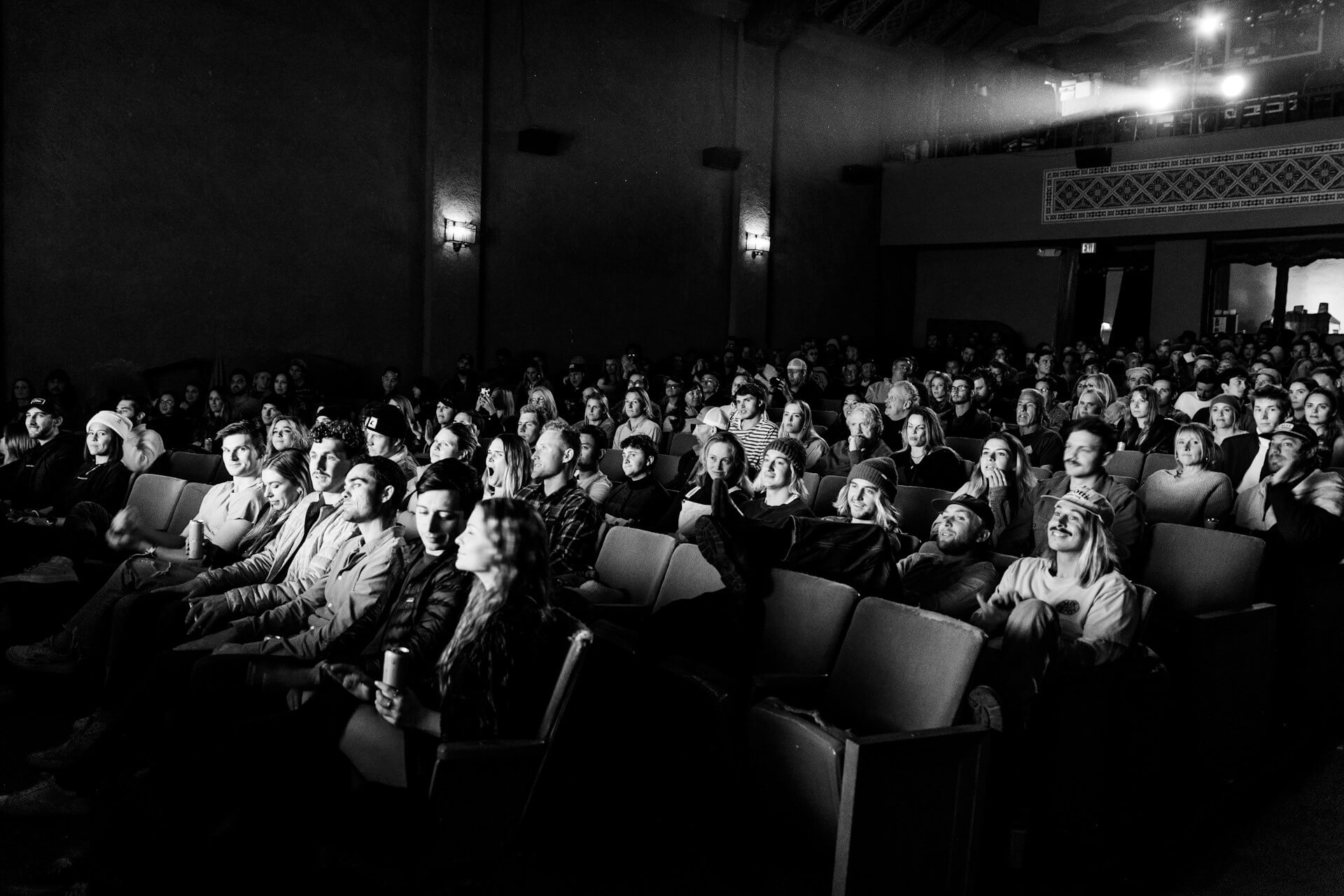
We are currently seeing the first wave of festivals dedicated entirely to AI video artist creations. These aren’t just tech demos; they are emotional, terrifying, and hilarious stories.
If you have a story that was “too big” to tell—a war epic, a space opera, a fantasy saga—you no longer have an excuse. The tools are here. The AI film maker is no longer a futuristic concept; it is a present-day career.
Your audience is waiting.