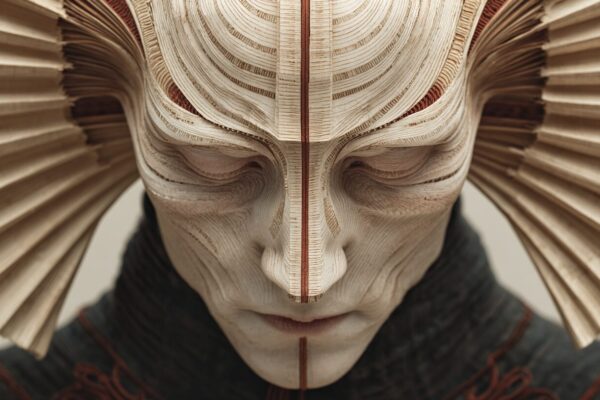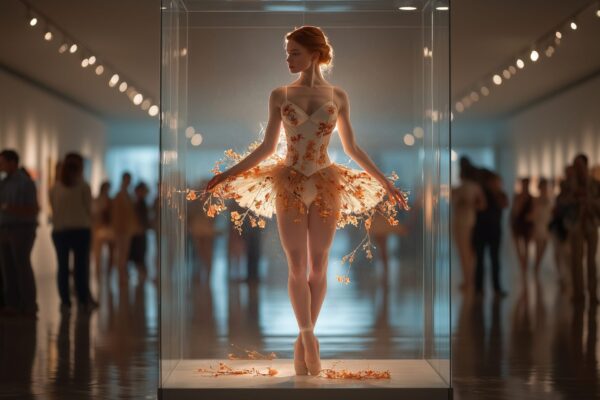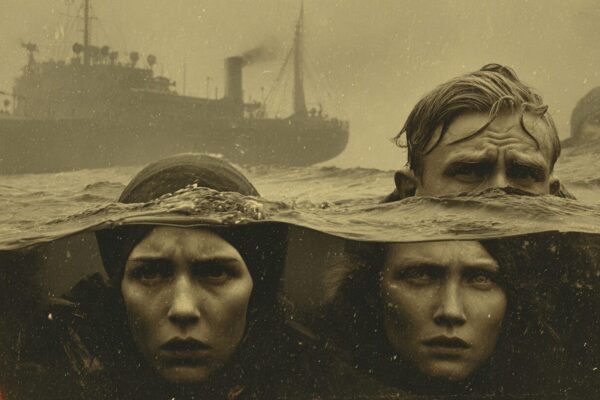
Defining future & space.
Imagine this: It’s 2015. You have a vision for a sci-fi epic. You can see the neon-soaked streets, hear the synthesizer score, and feel the emotional weight of the protagonist’s journey. But then, reality hits. To make this happen, you need a concept artist, a cinematographer, lighting crews, actors, editors, and a budget the size of a small country’s GDP.
For decades, the “Graveyard of Great Ideas” was filled with projects that were too expensive to film and too complex to explain.
Fast forward to today. The barrier to entry has shattered. The era of the fleet is over; the era of the AI artist has begun.
The Evolution of the Solo Creator
In the past, being a “solo filmmaker” usually meant compromising on scale. You were limited to what you could shoot with your own camera in your own backyard. Today, AI art generators and video tools have completely rewritten the rules of engagement.
We are witnessing a massive shift where “production value” is no longer defined by money spent, but by the depth of your imagination. The modern AI video creative doesn’t manage a crew of 50; they manage a symphony of neural networks.
Key Takeaway: The only resources you need now are creativity and time.
From Static Image to Cinematic Motion
The journey usually begins with a single frame. A few years ago, generating a high-quality image from text was magic. Now, it’s just the first step in the AI video production workflow.
As an AI video artist, your workflow looks something like this:
-
Ideation: You describe a world that doesn’t exist.
-
Visualization: AI art tools bring the textures and lighting to life in high resolution.
-
Animation: This is where the magic happens. You take that static image and breathe life into it, becoming an AI video maker who directs movement, camera angles, and physics.
Suddenly, you aren’t just a writer or a painter; you are a director of photography and a visual effects supervisor rolled into one.
The Power of the AI Commercial and Short Film
This technology isn’t just for abstract art; it has practical, commercial power. Small businesses and freelance creatives are now producing AI commercial content that rivals major advertising agencies.
Imagine a boutique coffee brand wanting a commercial set in a 1920s Parisian café. Previously impossible. Now? An AI film maker can generate the setting, the mood, and the action in an afternoon.
-
Speed: iterate on concepts in minutes, not days.
-
Cost: Reduce production costs by 90% or more.
-
Scale: Create epic visuals that were previously “Hollywood only.”
The New Definition of “Artist”
There is a misconception that AI does the work for you. This is false. The tools are powerful, but they are rudderless without a captain.
The true AI artist is a curator, a prompt engineer, and a storyteller. The AI provides the paint, but you provide the vision. You must understand lighting, composition, and pacing just as deeply as a traditional director. The difference is that your “actors” and “sets” are summoned from the digital ether rather than built with wood and paid in craft services.
Becoming an AI Video Artist
If you have a story burning a hole in your pocket, there has never been a better time to let it out. You don’t need to wait for a green light from a studio executive. You don’t need to apply for a grant.
You just need to sit down, open your tools, and start creating. The tools for AI video production are evolving weekly, offering more control over character consistency, camera movement, and duration.
Conclusion: Your Fleet is Waiting
The fleet you once needed—the concept artists, the lighting techs, the camera operators—they are all there, sitting inside your GPU, waiting for your command.
Whether you want to be an avant-garde AI video artist or a commercial AI film maker, the gatekeepers are gone. The screen is blank. What will you fill it with?