
AI Training Video Production
An AI training video teaches a skill, process or product to your employees, partners or customers — produced with generative-AI tooling so a full learning-and-development library ships at a fraction of traditional studio time and cost, without losing cinematic clarity. ArcaneWiz, led by Creative Director Daniel Atzil (20+ years in cinematography, colour and sound) and based in Ramat Hasharon, Israel while working with teams worldwide, produces onboarding, enablement and compliance training video with Midjourney, Kling, Veo and Seedance. The result is enablement content that looks directed, not auto-generated: clear instruction, on-brand frames and a senior craftsman’s eye on every cut — a production discipline, not a prompt shortcut.
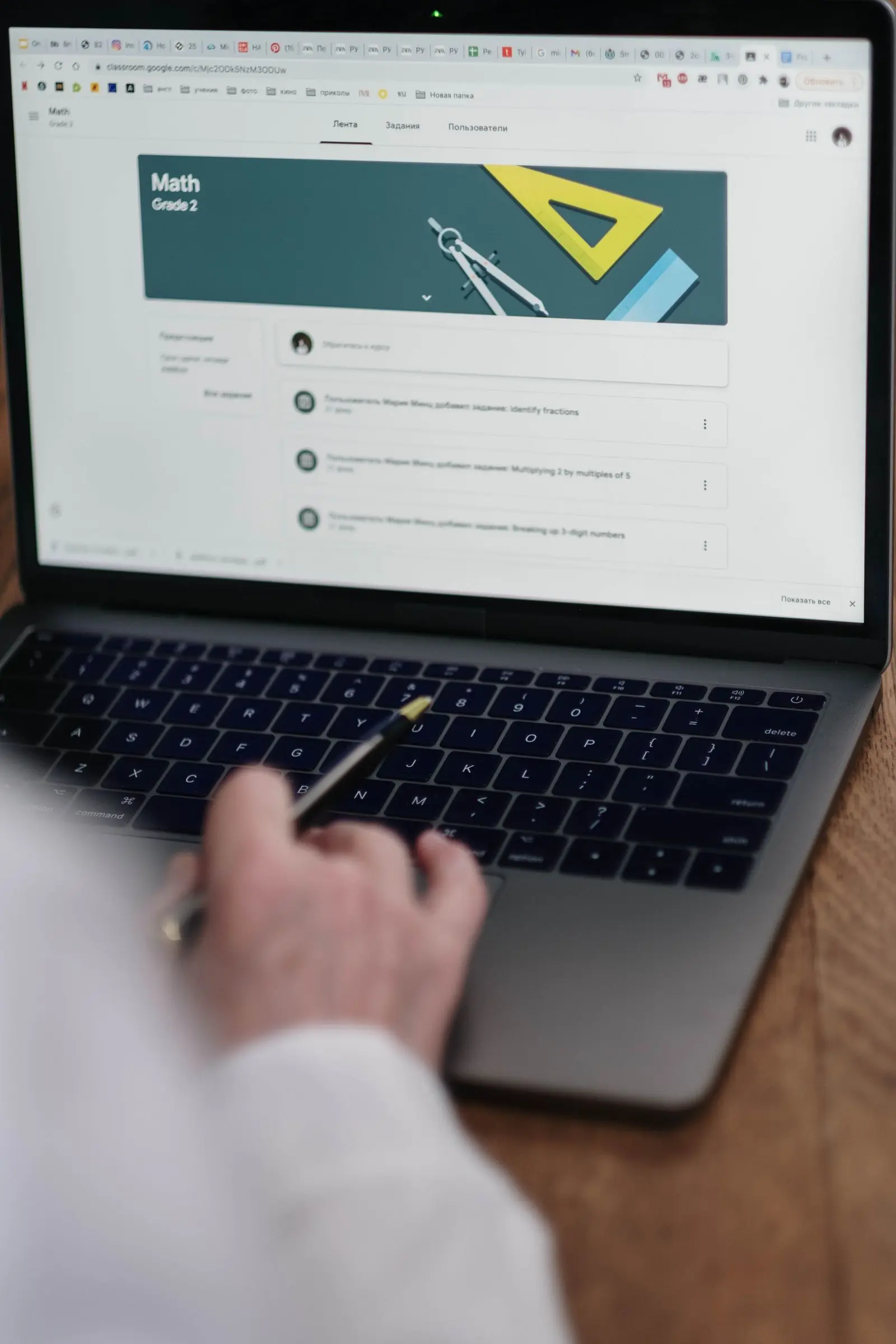
Most L&D teams face the same wall: instructor-led sessions don’t scale, screen-recorded webinars look flat, and a traditional studio quote for a single polished module can absorb an entire quarter’s budget. AI-native production breaks that trade-off. You get the directorial quality of a commercial shoot with the speed and unit economics that let you cover an entire curriculum — every role, every product, every market — instead of one hero video and a backlog.
What is an AI training video?
An AI training video is instructional content — teaching a defined skill, workflow or product — where the visuals, motion and voice are produced primarily through generative-AI tools rather than a live crew and location. At ArcaneWiz that means style frames rendered in Midjourney, demonstration and motion shots generated with Kling, Veo and Seedance, and the whole thing shaped by a scripted instructional design and a 20+ year colour-and-sound craft pass. The learner sees a coherent, branded lesson; you skip the sound stage, the reshoots and the six-week calendar.
Training video vs. corporate or brand video
They are not the same buyer or the same success metric. A corporate video serves brand, internal-comms, event or investor goals — it exists to move perception. A training video exists to move competence: did the viewer learn the step, pass the check, complete the module. Because the goal is comprehension and completion rather than brand lift, training content is structured around learning objectives, chaptered flows and knowledge checks — a different discipline that shares our pipeline but not the brief. If your need is broader business storytelling, our video for companies overview maps the wider format range.
Where an AI training video runs
Training content rarely lives on one page. We deliver modules built to sit inside your learning-management system (LMS), your new-hire onboarding flow, your knowledge base and — increasingly — directly in-product as contextual help. A single instructional concept can be cut to a full LMS lesson, a 60–90-second microlearning short, an in-app tooltip clip and a knowledge-base embed, each sized and captioned for its surface. For a deeper informational walkthrough of the onboarding use case, see our guide to AI video for SaaS onboarding.
Training video types we produce
Training is a format, not a single deliverable. Four request patterns cover most L&D and enablement programmes, and each maps to a distinct instructional structure.
Employee onboarding series
A sequenced set of modules that take a new hire from day-one orientation through role-specific competence — company context, tools, policies and the first workflows they’ll own. Because AI production keeps per-module cost low, you can build the full series at once rather than filming the welcome video and abandoning the rest as PDFs.
Product & feature enablement
Short, focused videos that teach a customer or an internal team how a product or a specific feature works — the enablement layer that reduces support tickets and speeds adoption. These pair naturally with in-app placement and update fast when the UI changes. Our onboarding guide details how these fit a SaaS activation flow.
Compliance & process training
Structured modules for the training your organisation has to be able to prove it delivered — safety, security, data handling, standard operating procedures. We build these as clear, chaptered instruction with consistent framing so the content is easy to audit and re-issue. ArcaneWiz produces the instructional film; your compliance and legal teams own the accuracy of the underlying policy and any regulatory requirement — we don’t provide legal advice.
Customer education & academy content
Course-style video for a customer academy, help centre or certification track — turning your product knowledge into a scalable learning experience that lifts activation and retention. When a module needs a consistent on-screen presenter across dozens of lessons, an AI avatar video presenter keeps the face and voice identical without booking a talent day for every update.
One curriculum → every format
One instructional-design source, cut for every surface your learners actually use.
Training program
script · style frames · motion
script · style frames · motion
↓
LMS lesson
Full chaptered module with knowledge checks
Microlearning short
60–90s single-concept clip
In-app tooltip clip
Contextual help at the point of use
Knowledge-base embed
Searchable help-centre article video
Our training-video production process
The pipeline is what keeps a full library looking directed rather than assembled. It pairs Daniel Atzil’s 20+ years of traditional craft — instructional structure, colour, sound — with a named generative-AI toolchain at every step.
1. Instructional design & script
Every module starts with learning objectives, not a prompt. We define what the viewer must be able to do afterwards, chapter the content around it, and write a script that carries one idea per beat. This is the step most AI-only tools skip, and it’s why generic output feels like narrated slides instead of teaching.
2. Midjourney style frames & screen / UI integration
We render the visual language — environments, characters, on-screen framing — as style frames in Midjourney, locked to your brand palette. Where a module demonstrates software, we integrate real screen captures and clean UI so the learner sees the actual product, not an approximation, with the generated visuals holding the connective, cinematic layer around it.
3. Kling, Veo & Seedance motion & demonstration shots
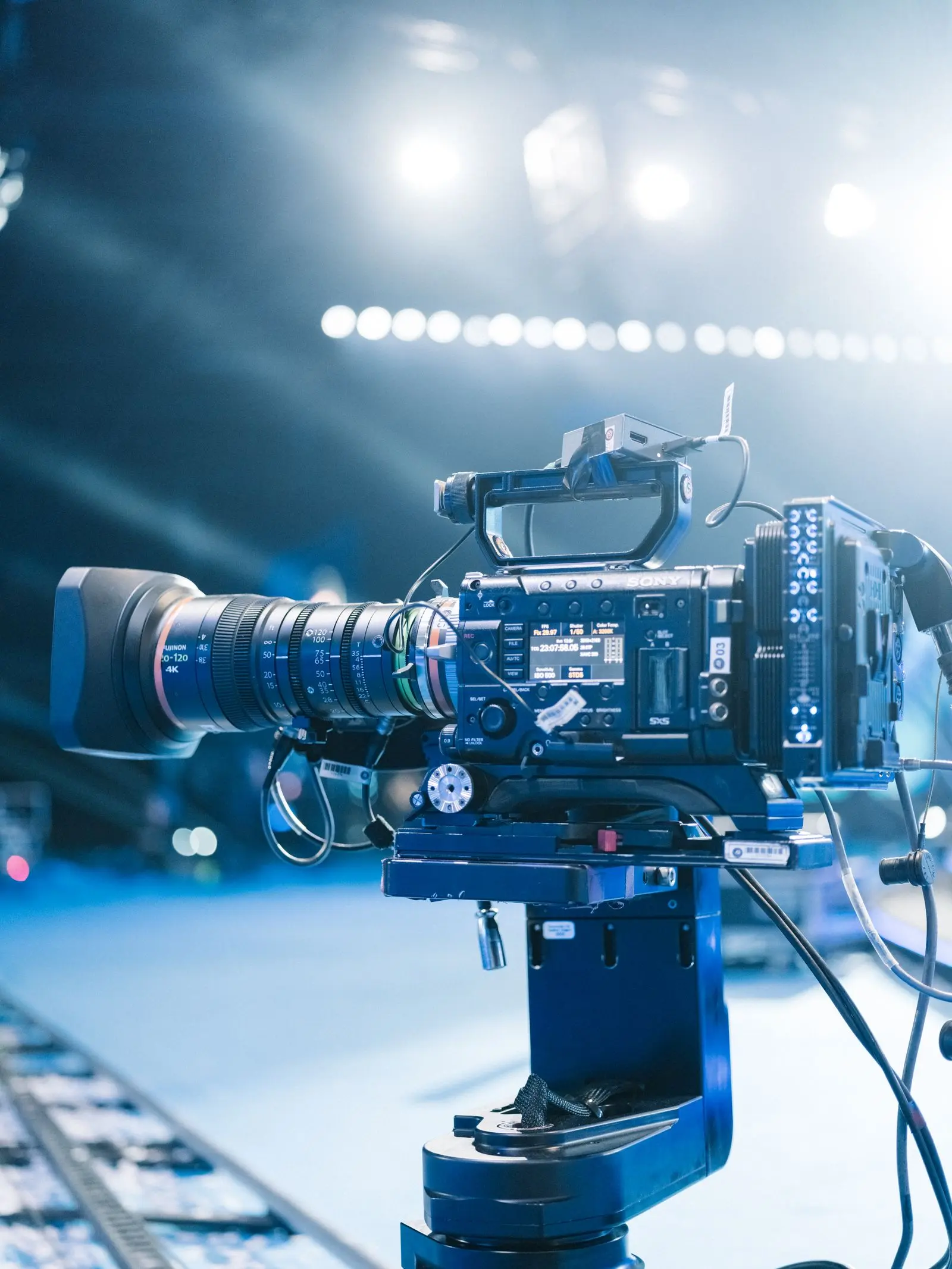
Motion is where instruction comes alive. We generate demonstration sequences, process walkthroughs and transitional shots with Kling, Veo and Seedance, choosing the model that best serves each shot — controlled camera moves, realistic human motion or fast concept coverage. The output is graded and cut to a consistent rhythm so a 20-module curriculum feels like one production.
4. Colour, sound & captions
The final craft pass is where Daniel Atzil’s 20+ years show most: colour grading for a consistent, premium look across every module, sound design and mix for clarity, and accurate captions and localisation-ready text so the content is accessible and audit-ready. Nothing ships until it teaches cleanly and looks directed.
The ArcaneWiz training-video pipeline
STEP 1
Design & script
Learning objectives, chapters, script
→
STEP 2
Style frames & UI
Midjourney + real screen capture
→
STEP 3
Motion shots
Kling, Veo & Seedance
→
STEP 4
Colour, sound, captions
20+ yr craft pass, localisation-ready
A full curriculum, not a one-off
The reason to produce training video with an AI-native studio is not a single cheaper clip — it’s coverage. Traditional economics force L&D teams to pick the one video worth filming and leave everything else as text. Our pipeline inverts that: once the instructional system and visual language are set, each additional module carries a low marginal cost, so you can build the whole onboarding series, the full product academy and the compliance set to the same directed standard. This is scale at craft, not instead of it — every module gets the 20+ year colour-and-sound pass, so lesson forty looks as intentional as lesson one. It is the opposite of a DIY screen recording: senior direction, applied across a library.
Pricing & engagement
Training programmes are scoped per module and per curriculum, so the right number depends on length, number of modules, localisation and how much bespoke demonstration each lesson needs. As an indicative guide — not a fixed rate card — AI-native production typically runs $250–$900 per finished module, while a comparable traditional studio production generally lands between $1,500 and $8,000. The per-module economics are what make a full library viable: the same budget that buys one traditionally-produced onboarding film can cover an entire curriculum AI-natively. We’ll give you a firm quote against your actual module list and objectives.
Frequently asked questions
What is an AI training video?
An AI training video is instructional content — teaching a skill, process or product to employees, partners or customers — where the visuals, motion and voice are produced primarily with generative-AI tools instead of a live crew. At ArcaneWiz the pipeline uses Midjourney for style frames and Kling, Veo and Seedance for motion, then a 20+ year colour-and-sound craft pass, so the learner sees a directed, on-brand lesson rather than narrated slides.
How much does an AI training video cost?
As an indicative guide rather than a fixed rate card, AI-native training video typically runs $250–$900 per finished module, versus roughly $1,500–$8,000 for a comparable traditional studio production. The real advantage is per-module economics: because each additional lesson carries a low marginal cost once the design and visual language are set, a full curriculum becomes affordable rather than a single hero video. We quote against your actual module list.
What’s the difference between a training video and a corporate video?
A training video exists to build competence — teaching a specific skill or process, measured by comprehension and completion. A corporate video serves brand, internal-comms, event or investor goals and is measured by perception and brand lift. They share our production pipeline but not the brief: training content is structured around learning objectives, chapters and knowledge checks, while corporate work is structured around narrative and message.
Can you produce a whole onboarding series or curriculum?
Yes — building the full series is the point. Because AI-native production keeps each module’s marginal cost low once the instructional system and visual language are established, we produce complete onboarding series, product academies and compliance sets rather than a single film. Every module still gets Daniel Atzil’s 20+ year colour-and-sound craft pass, so the last lesson looks as directed as the first across the whole library.
Which AI tools do you use for training videos?
We use Midjourney to render branded style frames and on-screen visual language, and Kling, Veo and Seedance to generate demonstration shots, process walkthroughs and motion — choosing the model that best serves each shot. Real screen captures and UI are integrated where a module demonstrates software, and the whole thing is graded, mixed and captioned in a traditional craft pass so a full curriculum feels like one production.
Can you update or localise a module without re-shooting?
Yes — that is a core advantage of AI-native production. Because there is no location or crew to rebook, we can revise a module when your UI, policy or messaging changes, and produce localised language versions without a new shoot. When a lesson needs a consistent on-screen presenter across many modules, an AI avatar video presenter keeps the same face and voice through every update.
How fast can you deliver a training video library?
Because the pipeline removes location booking, crew scheduling and reshoots, an AI-native training library ships far faster than a traditional studio timeline — the bottleneck becomes instructional design and your review cycles, not production logistics. We scope a realistic delivery schedule against your module count and localisation needs so you can plan the rollout, and produce modules in parallel once the visual language is locked.
Build your training library with a senior craftsman
ArcaneWiz produces AI training video that teaches cleanly and looks directed — onboarding, enablement, compliance and academy content, built as a full curriculum rather than a one-off. Led by Creative Director Daniel Atzil and his 20+ years of cinematography, colour and sound, and part of our wider AI video production practice, we bring senior craft to a generative pipeline — not the other way around. Get started with your training-video brief and we’ll map your curriculum and give you a firm quote.