Ramat Hasharon Israel

FOLLOW ME


AI Video for Startups — Launch-Grade Cinematic Brand Film Without the Burn-Rate

Home • AI Video for Startups — Launch-Grade Cinematic Brand Film Without the Burn-Rate

Which AI video studio works with startups?

ArcaneWiz makes cinematic AI video for seed- to growth-stage startups — launch films, pitch and fundraising videos, and brand stories — pairing generative AI tools (Midjourney, Veo, Kling, Seedance) with professional filmmaking direction. Based in Ramat Hasharon, Israel and led by creative director Daniel Atzil, the studio helps startups ship premium, investor-ready video quickly and without a large production budget.

Pre-seed → Seed → Series A → Series B+ · where the film goes in

AI Video for Startups — Launch-Grade Film on a Founder’s Calendar

ArcaneWiz produces AI video for tech startups — launch films, product stories, founder narratives, and investor pitch reels for Seed through Series C teams with a dated launch window, runway to protect, and no creative team in-house.

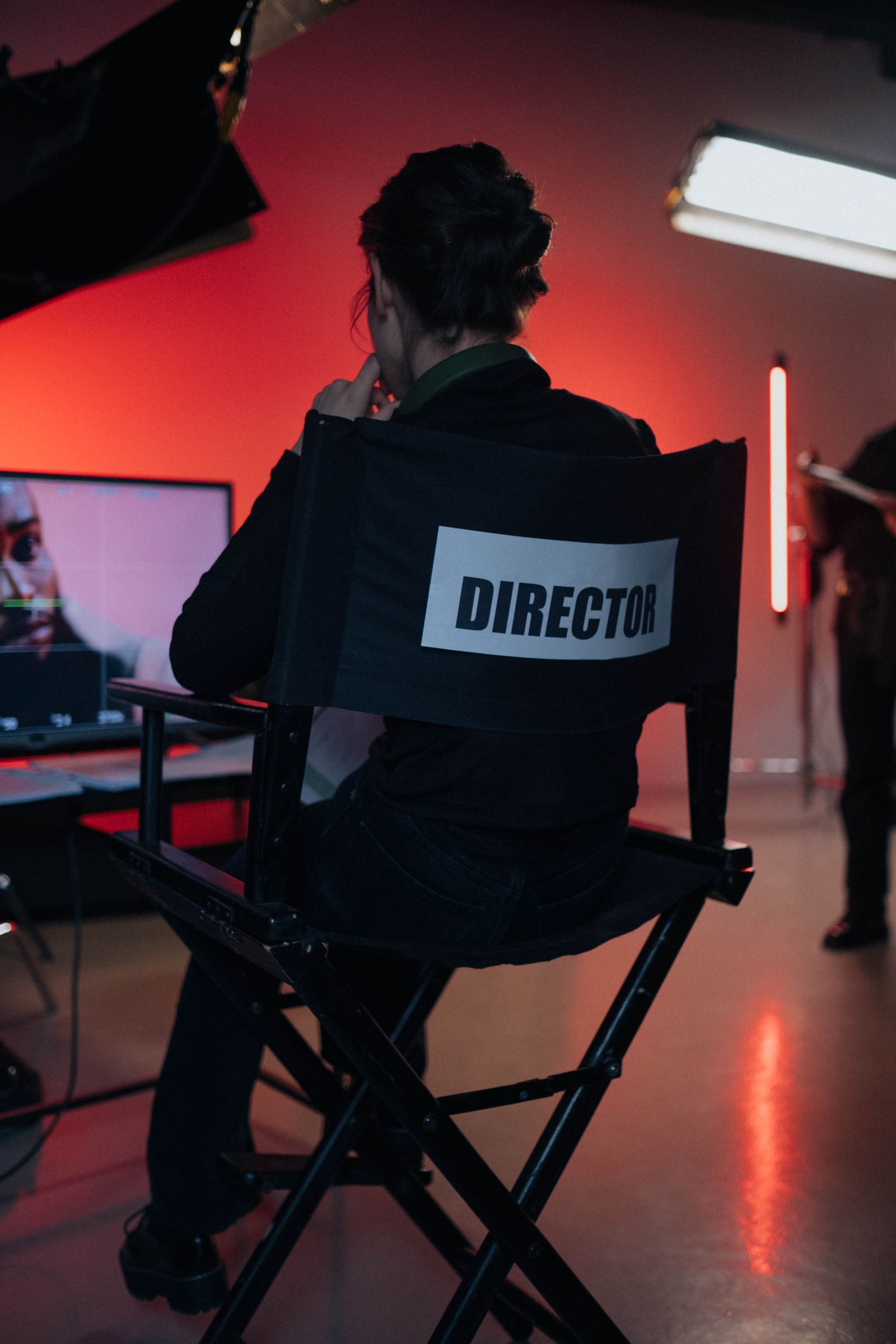
Creative Director reviewing a graded frame on a studio monitor
Fig. 00 — Direction, not generation: every frame is graded on a monitor before it ships
1–3 wksBrief to final cut
40–60%Of a traditional production budget
20+ yrsDirector experience behind every frame
4AI tools, one director

01 · The founder’s case

Why tech startups choose AI video over traditional production

AI video for startups is launch-grade cinematic brand, product, and pitch video produced through a directed generative pipeline — so an early-stage team gets premium film in 7-10 working days without an agency-scale budget or an eight-week calendar.

ArcaneWiz is a premium AI video production agency led by Creative Director Daniel Atzil — 20+ years in cinematography, colour, and sound — pairing that craft with a modern AI toolchain of Midjourney, Veo, Kling, and Seedance. For a founder the trade is concrete: you get the film the category moment deserves without committing a six-figure budget or a ten-week calendar you do not control.

A traditional launch film is a six-figure, eight-to-ten-week commitment — location scouting, talent days, a crew, and a post-production queue you do not own. Founders sign that commitment months before the launch date it is supposed to serve. The two tracks below are plotted on the same week axis, so the difference reads as calendar time rather than as a claim.

Production timeline: traditional agency versus the ArcaneWiz hybrid pipeline A traditional launch film runs scouting, pre-production, a shoot, and post over eight to ten weeks. The ArcaneWiz hybrid pipeline runs brief, style frames, directed generation, and cinematic finishing inside 7-10 working days. wk 0wk 2wk 4wk 6wk 8wk 10 Traditional production · 8–10 weeksScouting + permitsPre-production + castingShoot daysPost-production queueArcaneWiz hybrid pipeline · 7-10 working daysFounder brief + story architectureStyle frames (approve the look)Directed generationColour · sound · edit · delivery
Fig. 01 — Production timelineBoth tracks run against the same ten-week axis. Read it against a real launch date: the traditional track has to start at week zero to ship in week nine, which means committing budget before the date is confirmed. The compression is structural, not a rush — the stages that protect quality, direction and colour and sound and edit, are not compressed at all.

02 · The decision

AI video versus a traditional agency, line by line

The comparison founders actually run before they brief. Every row is a constraint that shows up on a launch calendar or a burn sheet — not a feature checklist.

Table 1 — Traditional agency production vs. the ArcaneWiz hybrid pipeline
 Traditional agencyArcaneWiz hybrid pipeline
Cost envelopeSix-figure launch-film budget is standard; shoot days and crew dominate the line items.40–60% of a traditional budget for the same deliverable class. The gap comes from removed cost centres, not cheaper craft — so the difference stays in runway.
Calendar time8–10 weeks brief-to-delivery, plus whatever the post queue adds.7-10 working days brief-to-final-cut, scheduled around your launch date.
Revision cyclesReshoots are a budget event. Changes after the shoot day are expensive or impossible.Iteration is a pipeline step, not a reshoot. Look is locked on still frames before any motion is generated.
Crew and logisticsLocation scouting, permits, talent days, equipment rental, a crew to coordinate.No location days, no crew call sheet, no travel. The pipeline is location-independent end to end.
What your side suppliesA marketing or creative lead to run discovery, sit the review rounds, and manage the agency.One founder session. You bring product, traction, and category context; we supply the story architecture and every craft layer after it.
Where craft livesOn set, with the director and the DoP.In direction, colour, sound, and edit — the same disciplines, applied after generation instead of on location.
Risk if the date movesSunk cost. Crew and location bookings are committed early.Low. Nothing is committed to a physical shoot date, so the schedule flexes with your launch.

03 · The production math

Frame the decision in runway, not “savings”

Every dollar not spent on shoot days stays in the business, funding the next hire instead of a production line item. At pre-revenue a launch film is not a marketing expense you minimise — it is a capital allocation you time correctly, and the share that never leaves the account is runway you still control.

A category moment — a product launch, a fundraise, a keynote — has a fixed window and usually someone else’s date on it. An eight-to-ten-week production cycle means committing to that date before you can confirm it. A 7-10 working day cycle means you brief once the date is real. Arriving after the moment has passed is the one failure mode a cheaper film cannot fix.

The pitch room is where production value converts most directly. A deck reads as a work-in-progress; a 90–120-second film shown in the same room makes an early team read as category-ready. That is a different job from selling to customers, which is why the investor pitch reel is scoped separately in Table 2 rather than cut down from the launch film.

Most founders who brief us have no creative lead, no brand system past a logo file, and no capacity to manage an agency through six weeks of review. The pipeline assumes exactly that: one brief session, one approval gate on style frames, one on the assembled cut. You supply business context; story architecture, art direction, colour, sound, and edit are ours.

And brand polish is not vanity at Series A — it is positioning. Your launch film is often the first serious signal a prospect, partner, or downstream investor receives about how you see the category.

Cumulative production spend against the launch window Traditional production accumulates spend steadily and reaches full budget around week nine. The ArcaneWiz hybrid pipeline front-loads direction, plateaus near the halfway mark, and delivers at week three. 0%25%50%75%100%wk 0wk 2wk 4wk 6wk 8wk 10 Ships wk 3 Ships wk 9 % of a traditional launch-film budget
Fig. 02 — Cost curveIndexed to a traditional launch-film budget at 100%. The hybrid curve climbs fast — direction and story architecture are deliberately front-loaded — then flattens, because the expensive tail of traditional production never happens: no shoot days, no reshoots, no post queue. What that flat section represents, in founder terms, is runway that stays in the account. Indicative shape; your scope and price are set on the brief call.

04 · The chooser

Which film does your moment need?

Pick by the moment on your calendar, not by the budget line. Four formats, each scoped to a different job: a category launch, a product-led buyer, a funding round, and the feed.

Table 2 — Video-type chooser for startups
FormatLengthTurnaroundBest for
Launch / hero brand film60–90 sec2–3 weeksA category-moment launch with a date on it: homepage hero, keynote opener, paid launch campaign.
Product-led marketing video45–90 sec2–3 weeksA buyer who needs a reason to care before they care how it works. ABM and enterprise cycles.
Investor pitch / fundraise reel90–120 sec2–3 weeksThe round. Gives the deck a cinematic spine and makes an early team read as category-ready.
Category commercial / social cut15–60 sec7-10 working daysPaid media and organic feed. Cold audiences, incumbent-grade production values.

Length, number of cuts, and delivery formats set the final number, so a brief call returns a real figure against your scope rather than a bracket. See full pricing →

05 · The formats

AI video formats we produce for startups

These are the formats founders brief us for most often. Each is a different job, and briefing the wrong one is the most common way a launch budget gets spent twice.

01

Launch / hero brand film

The flagship deliverable: a 60–90-second cinematic brand film built for a category-moment launch. It carries your positioning, your product, and your worldview in a single narrative arc — the film you put at the top of the homepage, open the keynote with, and run against your launch campaign.

02

Product-led marketing video

Story-led, not screen-capture. Where a straight product walkthrough belongs on a demo page, this format wraps the product in a narrative — the problem, the shift, the outcome — so it markets rather than merely explains. For a startup whose product is the hero but whose buyer needs a reason to care first.

03

Category-defining commercial

A 15–60-second commercial-grade spot built for paid media and organic launch alike. Tight, high-impact, and cut for the feed as much as the big screen — the asset that puts your brand in front of a cold audience with production values they associate with incumbents, not challengers.

04

Founder / team story film

The founder narrative — why you started, what you are building, who is behind it. This format humanises the company for recruiting pages, About sections, and team-led launches. For early-stage startups the founder’s conviction is often the most persuasive asset you own; this film captures it with cinematic weight.

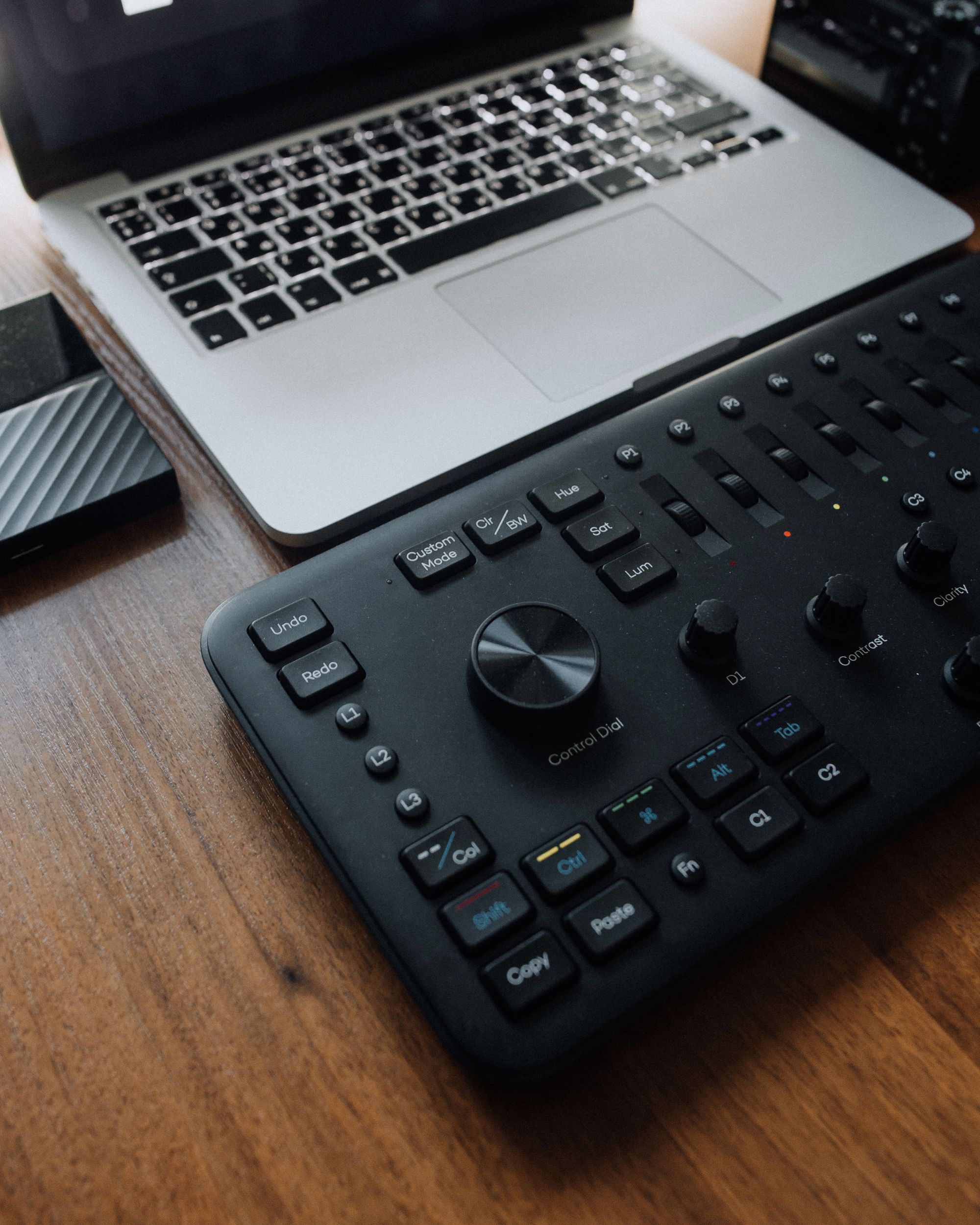
Editing console and colour-grading workstation in a warm studio Fig. 04 — Cinematic finishing: colour, sound, and edit applied with the same discipline as a traditional post house

06 · The route

How we produce AI video for startups

Five stages built for founder decision-speed — compressed where traditional agencies stall, deliberate where craft cannot be rushed.

The ArcaneWiz production pipeline, stage by stage Founder brief, then style frames in Midjourney, then directed motion generation with Veo, Kling, and Seedance, then cinematic finishing in colour, sound, and edit, then delivery and founder iteration. Stage 1Founder briefOne sessionStage 2Style framesMidjourneyStage 3Directed motionVeo · Kling · SeedanceStage 4CinematicfinishColour · sound · editStage 5DeliveryHero · cutdowns · social
Fig. 03 — Pipeline schematicThe only stage that needs your calendar is Stage 1. Stages 2 and 3 run under direction and produce nothing you have to manage or review, and Stage 4 is where the timeline deliberately stops compressing — colour, sound, and edit take as long as they take.
  1. Founder brief and story architecture

    One focused session, not four rounds of agency discovery. We translate your product, traction, and category positioning into a story architecture — the spine the film hangs on. Most founders who brief us have no in-house creative team and no brand system past a logo file, so this stage assumes exactly that: you bring the business context, we bring the narrative structure. It is the only stage that asks for your calendar.

  2. Style frame generation with Midjourney

    We lock the look before any motion is generated. The Creative Director develops style frames — the palette, lighting language, and visual world of the film — so you approve the aesthetic on still frames first. This front-loads the creative decisions and eliminates the expensive surprises that traditional shoots discover on set.

  3. Motion generation with Veo, Kling, and Seedance

    Three tools, three jobs. Veo generates cinematic motion and scene work; Kling handles character and controlled motion; Seedance refines and layers the generated footage into a coherent sequence. This is a directed generation workflow, not a single model doing everything — naming each tool matters because each carries a distinct part of the pipeline.

  4. Cinematic finishing — colour, sound, edit

    This is where 20+ years of Daniel Atzil’s craft converts generated motion into launch-grade work. Edit rhythm, colour grade, and sound design are applied with the same discipline as a traditional finish. Generation gets you footage; finishing gets you a film.

  5. Delivery and founder iteration

    Tight iteration loops timed to founder availability, not agency-standard review weeks. You review, we refine, and we deliver in the formats your launch needs — hero cut, cutdowns, and social edits. The whole loop is built to fit a startup’s calendar so the film lands when your moment does.

07 · The stage map

AI video by funding stage

What a startup needs from video changes with every round, and so does the discipline around spend. We map the work to your stage so the budget matches the milestone — never more film than the round can justify, never less craft than the moment deserves.

Table 3 — Funding stage → asset mix
StagePrimary assetSupporting cutsWhat it has to prove
Pre-seed · SeedAnnouncement or first-impression brand filmPitch support stills, one social cutThat the story is real and the team is serious — enough cinematic credibility to make a small round feel inevitable.
Series ACategory-defining brand filmProduct story, paid-launch cutdowns, keynote openerThat you own the category, not just a product. This is the film investors, press, and your first serious hires judge you by.
Series B+Multi-format asset libraryHero film, vertical cuts, ABM edits, recurring campaign refreshesThat a lean growth team can keep the engine fed on a cadence rather than a per-project budget cycle.

Pre-seed and Seed

At pre-seed and seed you are proving the story before you have a marketing team to tell it. The priority is a scrappy but launch-grade brand or announcement film and visual support for the pitch — enough cinematic credibility to make a small round feel inevitable, produced in 7-10 working days so it lands while the momentum is live. The generative pipeline keeps the spend proportional to a pre-revenue burn rate.

Series A

Series A is the category-brand moment. You are no longer explaining that the problem exists; you are claiming the category. This is where a founder invests in a category-defining brand film and a product story that can anchor a launch, a website, and a paid campaign at once. The craft has to read as broadcast quality, because this is the film investors, press, and your first serious hires will judge you by.

Series B and beyond

By Series B the need shifts to scaled campaign work — a library of films, cuts, and formats that keep a growth engine fed without a new six-figure production every quarter. The hybrid pipeline lets a lean team ship a season of premium AI video production on a schedule and a budget a traditional agency retainer cannot match, while Daniel Atzil’s direction keeps every asset on-brand.

08 · Where founders deploy it

What startups use AI video for

Startups rarely need one video — they need the right asset for each moment in the funding and go-to-market cycle. These are the use-cases founders come to us for most.

01

Launch and announcement

The hero film for a funding announcement, a product launch, or a category-defining moment — the one asset that has to carry your brand at full cinematic weight the day the market is watching.

02

Fundraising and pitch support

A film built to move investors, not just customers. When the goal is the round, a purpose-built investor pitch video gives the deck a cinematic spine and makes an early-stage team look category-ready.

03

Product demo

Show the product doing the work. A focused AI product demo video turns a feature walkthrough into a story a prospect actually finishes — the workhorse asset for a product-led go-to-market motion.

04

Recruiting and employer brand

A founder or team story film that helps a startup punch above its headcount in the hiring market, giving candidates a reason to bet their career on a company most of them have never heard of.

05

Investor and community updates

Short, repeatable cuts that keep investors, waitlists, and early communities warm between milestones — produced lean enough to run on a cadence, not as a one-off event.

09 · Craft, kept lean

The pipeline that keeps startup budgets lean

The reason a startup can afford broadcast-grade film is not a cheaper crew — it is a smarter pipeline. ArcaneWiz runs professional storyboarding, cinematography, colour grading, and sound design, the traditional craft Creative Director Daniel Atzil has practised for 20+ years, and layers a generative toolchain over it: Midjourney for style frames and art direction, and Kling, Veo, and Seedance for motion. The AI removes the cost centres that make legacy production expensive — location days, large crews, reshoots — without removing the craft that makes film feel premium.

That is the discipline behind the speed: 7-10 working days and a fraction of a legacy budget, because the pipeline compresses production, not quality. It is a craft-preserving lever, not a prompt-and-pray shortcut — every frame is still directed. ArcaneWiz has produced work for brands including Samsung Israel, Anipet, Fun Forest, and Homey Panda, applying the same directed hybrid pipeline whether the client is a global name or a pre-seed founder.

The same approach carries across adjacent ICPs: a SaaS company scaling content will recognise it as the engine behind our AI video for SaaS work — the difference for startups is simply the framing, built around funding stage and burn discipline rather than a marketing function.

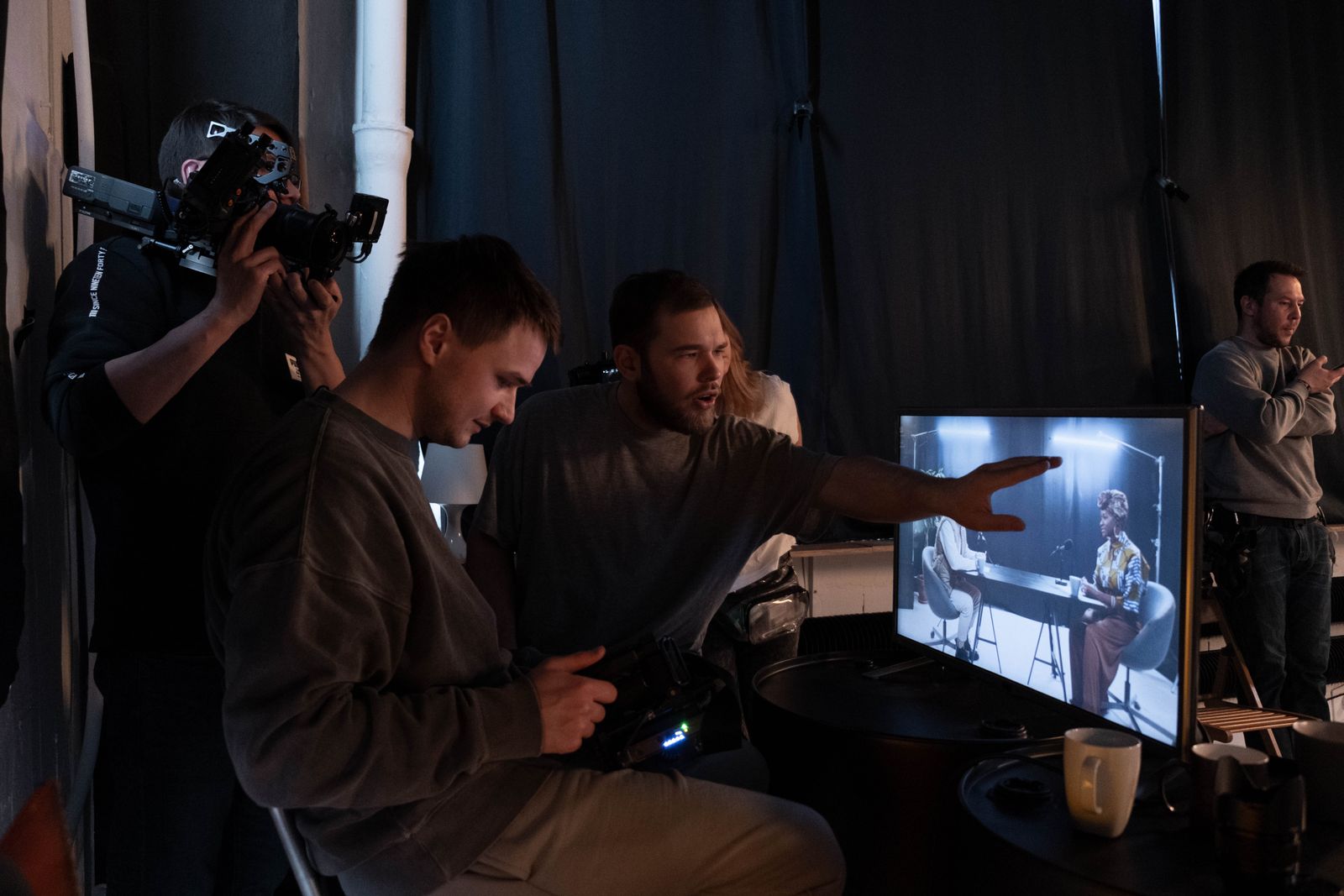
Production crew reviewing footage on monitors during a finishing session

11 · Answers

Frequently asked questions

The questions founders ask before they brief. Each answer opens with the direct answer, then the detail.

What is AI video for startups, and how is it different from traditional brand video?

AI video for startups is launch-grade cinematic brand film produced through a directed hybrid pipeline — traditional storyboarding, cinematography, colour, and sound layered over generative tools like Midjourney, Veo, Kling, and Seedance.

The difference from traditional production is timeline (7-10 working days versus eight to ten weeks) and cost envelope, without giving up cinematic quality. It is a directed craft workflow, not a prompted clip: the look is locked on still frames before any motion is generated, and the finish is done by a human colourist and editor.

Is AI video good enough for a Series A launch or category-moment campaign?

Yes — when it is produced by an agency with traditional cinematic craft layered under the generative pipeline.

ArcaneWiz’s Creative Director, Daniel Atzil, brings 20+ years of film craft, including a Burano AI Film Festival nomination and an ArtEvol 2025 selection. The launch-grade work shipped from our studio is indistinguishable from traditional production at the audience level — that is the entire premise of the hybrid pipeline. Series A is precisely the moment we build for, because the film has to survive investor, press, and candidate scrutiny at once.

How fast can ArcaneWiz deliver a startup launch film?

Standard delivery is 7-10 working days from an approved brief to delivered master, and that is the window for most startup brand films end-to-end.

Full launch-film packages — hero film plus cutdowns and social cuts — run two-to-three weeks. The compressed timeline is structural, not rushed: the hybrid pipeline eliminates location shoots, talent days, and post-production scheduling overhead, so speed comes from the process rather than from cutting corners on craft. Fig. 01 above plots both tracks on the same axis.

How much does AI video for a startup cost compared to traditional production?

Founders typically spend 40–60% of a traditional launch-film budget for the same deliverable class.

Pricing is project-scoped and reflects the cinematic-craft layer, not a tool subscription. Most of the reduction comes from eliminated shoot days and compressed post-production rather than from cheaper finishing. Because scope drives cost, the cleanest way to get a real number is to request a brief with your format, length, and launch date.

Do you work with pre-seed or bootstrapped startups, or only funded ones?

Yes — we work with founders from pre-seed through Series C, and the asset mix scales down at the earliest stages rather than the craft standard.

Table 3 above shows what that looks like: a pre-seed or seed engagement is an announcement film plus pitch support, not a multi-format library. The fit question is not funding, it is intent — we are the right studio for a founder who treats a launch film as a brand asset with a date on it, and the wrong one for a team shopping purely on lowest cost. If you have a real category moment, brief us.

Can you brief us if we do not have a creative team or agency in-house?

Yes — most of our startup clients run lean and bring no in-house creative team.

The founder brief in our process is designed for non-creatives: you bring product, traction, and category context, and we translate it into story architecture, then handle every craft layer through delivery. You do not need to arrive with a creative direction, a moodboard, or a script; that is our job. One session is enough to start.

Where is ArcaneWiz based, and do you work with US and European startups?

ArcaneWiz works from a Ramat Hasharon studio and delivers worldwide, including to startup founders across the US and Europe.

The hybrid pipeline is location-independent — there are no on-site shoot days to coordinate across time zones — so where your team sits has no bearing on timeline or quality. Every stage, from founder brief to final delivery, runs remotely without compromise.

What video does a startup need for a fundraise?

For a fundraise a startup needs a 90–120-second cinematic film built to move investors rather than customers.

It is a short, story-driven piece that gives the pitch deck a visual spine and makes an early-stage team look category-ready. ArcaneWiz produces this as a dedicated investor pitch video, directed by Daniel Atzil, so the round’s most important room sees broadcast-grade credibility rather than a slideshow.

Which AI tools does ArcaneWiz use to produce startup video?

Midjourney for style frames and art direction, and Kling, Veo, and Seedance for motion generation.

Those sit on top of professional storyboarding, cinematography, colour grading, and sound design. The AI toolchain compresses the expensive parts of production — crews, location days, reshoots — while Creative Director Daniel Atzil’s 20+ years of craft keeps every frame directed. Fig. 03 above shows which tool carries which stage.

Can ArcaneWiz produce a product demo video for a startup?

Yes — product-led film is one of the formats we build most often.

We turn a feature walkthrough into a story a prospect actually finishes, which is the workhorse asset for a product-led go-to-market motion. For startups scoping this specifically, the dedicated AI product demo video service shows the product doing real work, produced with the same hybrid pipeline in 7-10 working days.

Does ArcaneWiz produce video for SaaS startups too?

Yes. A SaaS startup is served by the same hybrid pipeline, framed around its marketing function rather than its funding stage.

Our AI video for SaaS work covers demand-gen films, product stories, and launch assets for SaaS teams. The craft, tool stack, and lean economics are identical — only the buyer framing differs, so founders and SaaS marketers can brief the same studio.

What kind of AI video does each startup funding stage need?

Pre-seed and seed need a launch-grade announcement film plus pitch support; Series A needs a category-defining brand film and product story; Series B and beyond need a scaled campaign library.

ArcaneWiz maps the work to the stage so the budget matches the milestone, keeping spend proportional to burn at every round. Table 3 above sets out the full stage-to-asset mapping, including the supporting cuts each round typically needs.

How is an AI corporate film for a startup produced?

In five stages: one founder brief and story-architecture session; style-frame generation in Midjourney to lock the look; motion generation with Veo, Kling, and Seedance under directorial control; cinematic finishing in colour, sound, and edit; then delivery and iteration timed to your launch window.

The order is the point. Locking the look on still frames before any motion is generated is what makes iteration cheap. In a traditional production the same decision is not settled until the shoot day, which is why changing it afterwards costs a reshoot.

How many revision rounds does a startup launch film include?

Two formal approval gates, plus refinement inside each — revisions are structured as stages, not sold as a numbered allowance.

You approve the look on style frames before any motion is generated, and you review the assembled cut before the finish. A change at either gate costs pipeline time rather than a shoot day, which is why we do not need to meter rounds the way a production with committed crew and location bookings does. Your engagement’s scope is confirmed on the brief call.

If a startup can only fund one video, which one should it be?

Build the one that serves the nearest dated moment on your calendar — the launch or hero brand film at Seed and Series A, or the investor pitch reel if the round closes first.

Direction matters here: a 60–90-second hero film cuts down into social edits and a pitch-deck insert, while a 15-second social cut cannot be scaled back up into a launch film. Buy the asset with the most downstream cuts inside it. Table 2 above is arranged for exactly that decision.

Will investors or press react badly to an AI-produced film?

No — investors and press react to whether a film is well made, not to which tools produced it.

What damages credibility is undirected output: inconsistent faces, drifting geometry, the generic stock-AI grade anyone can now recognise. The pipeline exists to prevent exactly that — the look is locked on approved style frames, motion is generated under direction, and a human colourist and editor finish the film. It is also why we name the tools on this page rather than hiding them.

12 · Next

Ready to brief your startup’s launch film?

If your launch, raise, or category moment has a date on it, the fastest path to a launch-grade film starts with a brief. We will scope the story, the format, and the timeline to your window.

Want craft proof before you brief? See our work and judge the finish for yourself.

Ready to launch your AI ad?

Talk to us about your next push — or book a 20-minute intro call.

HE