ArcaneWiz · App Promo Video
AI App Promo Video Production — Direct Your Launch Like a Film
Store-ready launch films and scroll-stopping cutdowns for the App Store, Google Play and paid social — directed by Daniel Atzil, built on a generative pipeline, and graded frame by frame.
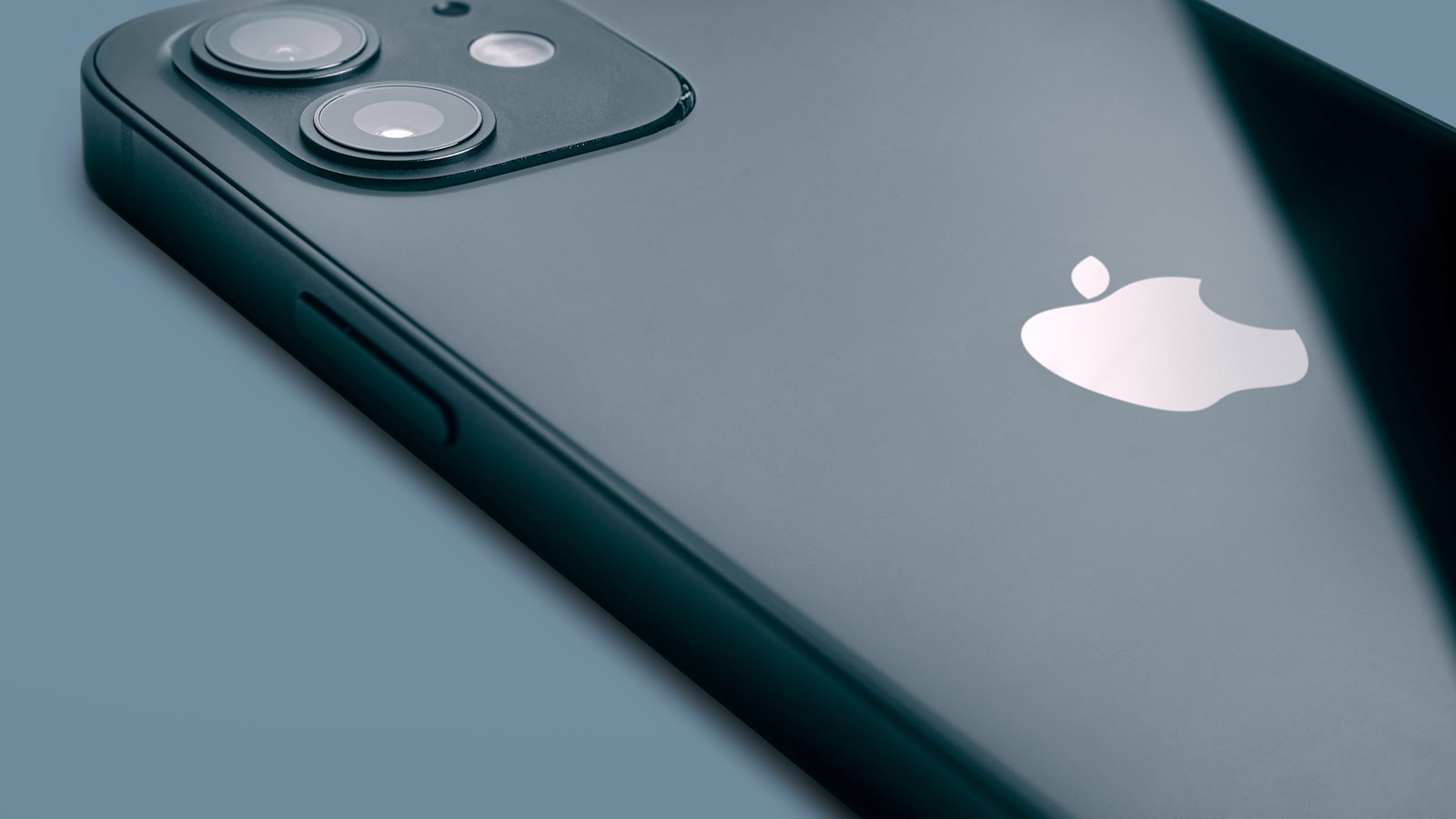
ArcaneWiz is a premium AI app promo video production studio, and an app promo video is the short launch film that sells a mobile or web app across the App Store, Google Play and paid social. Every promo here is directed by Founder & Creative Director Daniel Atzil, 20+ years in cinematography, colour grading and sound design, and executed on a generative pipeline of Midjourney, Kling, Veo and Seedance. You get a store-ready launch film and scroll-stopping cutdowns with the craft of a senior film team behind every frame.
Directed like a film — storyboarded, generated, graded and scored.
Launching an app?
Get a store-ready launch film and paid-social cutdowns from a senior cinematic team — directed, generated and graded, delivered on your launch date.
If your app gets one real launch moment — a featured placement, a paid push, a funding announcement — the promo cannot look generic. It has to make a distracted viewer stop, understand what the app does, and tap install. That is a film problem before it is an AI problem, which is why every ArcaneWiz app promo starts on a storyboard and ends in a hand-finished grade.
What is an app promo video?
An app promo video is a short marketing film — typically 15 to 60 seconds, with much shorter cutdowns for paid social — that sells the experience of using your app and drives installs. What changes in an AI app promo is the pipeline, not the discipline: the promo is storyboarded traditionally, then the visuals are designed and directed with tools like Midjourney, Kling, Veo and Seedance instead of booked as a live shoot or animated frame by frame. The result reads as a premium brand film, not a screen recording with music dropped on top.
Because a promo is a marketing asset rather than an internal walkthrough, it is judged on a different axis: energy, clarity and desire inside the first two seconds. A weak hook and a flat grade will underperform no matter how good the product is, while a directed script, a considered palette and real sound design are what turn a scroll into an install. The craft still decides the outcome — the generative pipeline changes how fast the craft can reach the screen, not whether it is needed.
Structurally, a promo that works carries four beats. It opens on a hook that earns attention before the viewer's thumb moves. It states the single strongest reason the app exists, in language a first-time viewer understands. It shows the real interface doing the thing that reason promises. Then it closes on one unambiguous action — install, join the waitlist, open the store listing. Every cut in the master film is engineered against those four beats, which is also why the same master can be recut for surfaces with wildly different attention spans.
The other thing a promo has to survive is silence. Most store views and a large share of feed views happen with the sound off, so the visual edit has to carry the whole argument on its own, with sound design as reinforcement rather than as the load-bearing layer. An app promo sits at the launch end of a wider AI video programme: the promo creates demand, the demo proves the product, and the paid cutdowns buy that demand more reach.
App promo video vs. product demo video
An app promo answers "why should I want this app?" A product demo video answers "show me how it actually works." They sit at different points in the funnel, they are judged on different things, and most launch teams eventually want both — a promo to create desire and drive installs, a demo to prove the product once a buyer is already paying attention. Confusing the two is the most common reason a launch video underperforms: a demo shipped into a paid-social slot loses the scroll, and a promo shipped into an evaluation call fails to answer the real question.
| App promo video | Product demo video | |
|---|---|---|
| Question it answers | "Why should I want this?" | "Show me how it works" |
| Register | High-energy, emotionally led | Considered, clarity led |
| Funnel stage | Launch & paid acquisition (top) | Evaluation (mid–bottom) |
| Where it runs | App Store & Google Play, paid social, launch page | Sales pages, onboarding, guided walkthroughs |
| Typical length | 15–60s master plus short-form cutdowns | 60–180s walkthrough |
| Best when | You are launching or running paid installs | Buyers know the category and need proof |
If you are launching, or running paid acquisition against install volume, start with the promo. If your buyers already know the category and need to watch the software actually work, start with a product demo video instead. Teams that produce both usually sequence them: the promo carries the launch itself and the paid window around it, the demo lands shortly after for the evaluation traffic the promo created.
There is a practical reason to plan them together even when they ship apart. A promo and a demo built from the same storyboard language, the same palette and the same grade read as one brand rather than two vendors, and the style frames designed for one shorten the direction work on the other. Coherence across the two is worth more than an extra format nobody watches.
Our app-promo production process
Every ArcaneWiz app promo runs through the same director-led pipeline. Traditional pre-production sets the story and the hook. Generative tooling executes the visuals and integrates your real app UI. A senior finish — colour and sound by hand — is what separates directed work from a raw model render. The sequence below is the whole production, and each step has a client-visible approval gate, so nothing expensive gets built on an idea that has not been signed off.
The AI app-promo pipeline
- 1 Concept & script We find the hook and board the promo shot by shot — the launch story, the pacing, the payoff — before a single frame is generated. Traditional pre-production
- 2 Style frames & UI We design the look as directed still frames and composite your real app screens into the world of the film. Midjourney
- 3 Motion Approved frames become directed shots with camera movement, energy and continuity across the master cut and every cutdown. Kling · Veo · Seedance
- 4 Colour & sound Final grade, music and sound design by our Creative Director, so the promo feels finished rather than generated. Grade & sound design
Concept & script
Nothing is generated until the hook works on paper. We shape the single idea the promo has to land, cut it to the runtime each channel needs, and board it shot by shot with the intended edit rhythm already marked. This is the step most AI-first shops skip, and it is the reason their app videos feel like a reel of prompts rather than a launch spot with a point of view. It is also the cheapest place to change your mind: rewriting a board costs a conversation, while re-cutting a finished film costs a production.
Midjourney style frames & UI integration
We design the visual world as directed still frames in Midjourney — palette, lighting, lens language, framing — and then bring your real product into it. Your actual app UI, screens and mockups are composited into that world, so the promo shows your app rather than a generic phone in a generic hand. Locking the look at the still-frame stage gives you a genuine approval gate before anything moves, and it is what keeps the finished film consistent with the brand system you already ship in the store listing.
Kling / Veo / Seedance motion
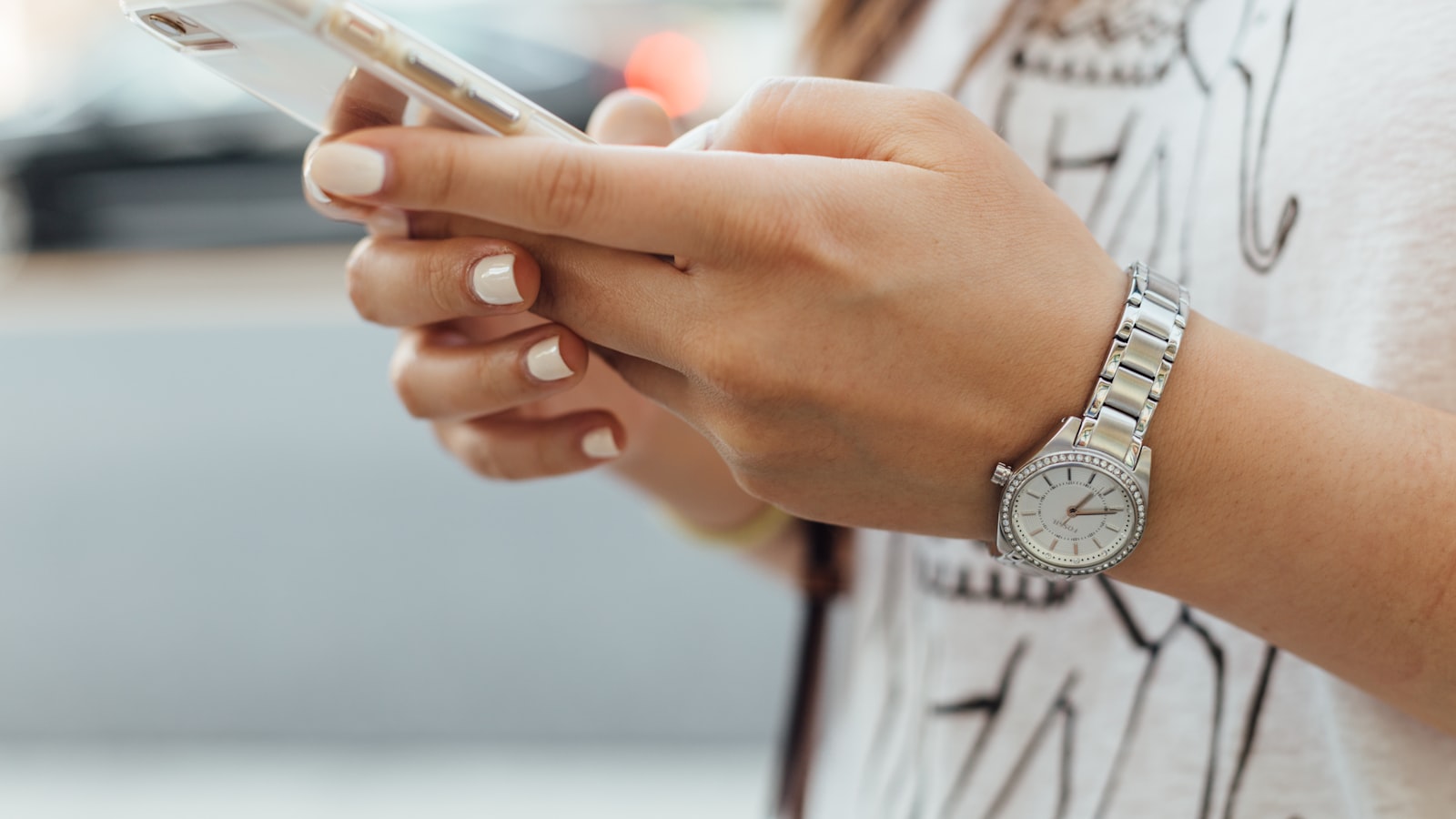
Approved frames become moving shots in Kling, Veo and Seedance, chosen per shot for what each model does best: camera movement, human motion, or stylised product beats. We direct the generation the way a DP directs coverage — for continuity, rhythm, and a cut that carries energy from the first frame to the call to install. Shot selection is a craft decision rather than a tool preference, and holding continuity across a master film and its cutdowns is where directed generation separates itself from single-clip output.
Colour & sound
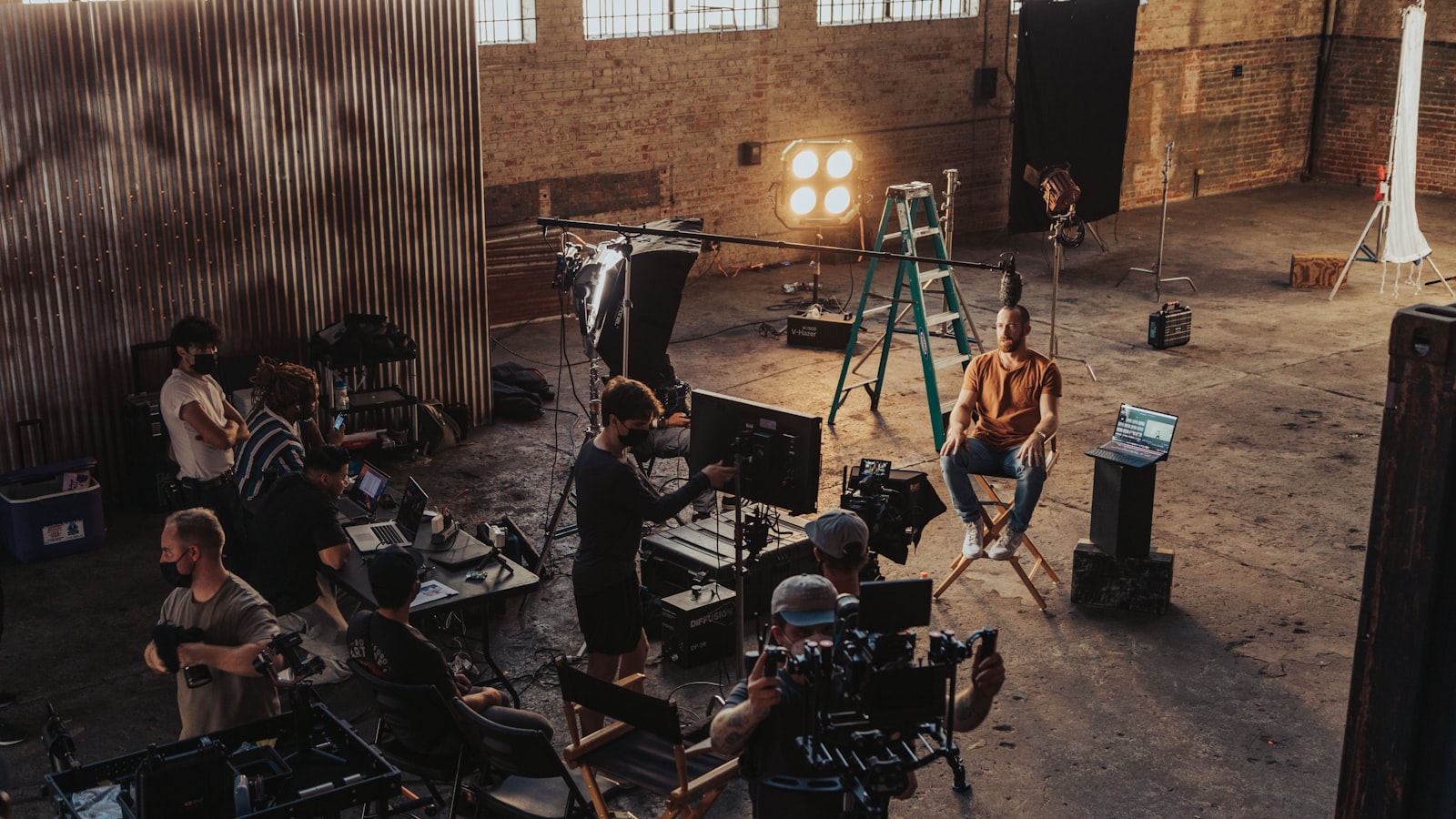
The final grade, music and sound design are done by hand by our Creative Director — the same 20+ years of cinematography, colour and sound that finish a broadcast commercial. This is the step that makes an app promo feel like a premium brand owns it, and it is exactly what a raw AI render cannot deliver on its own. It is also where the silent-viewing pass happens: we watch the cut with the sound off, and if the argument does not survive, the edit changes before the mix is finished.
One production → every placement
We produce the master film once and derive every placement from it, so your launch page, your store listing and your paid social all pull from one coherent piece rather than four disconnected videos with different looks. Planning for multi-format at the storyboard stage is what makes this possible: aspect ratios, safe areas and the silent-readable version of the hook are decided while the promo is still a board, not retrofitted onto a finished 16:9 edit.
Master app launch film → storyboarded, generated and graded once
9:16 app-store preview · 9:16 and 1:1 paid-social cutdowns · 16:9 landing hero · feature-spotlight series
Launch hero film
The flagship 20-to-60-second film that carries your launch — the piece at the top of the announcement, the press kit and the campaign page. It is built so that someone who has never heard of your app understands it and wants it inside the opening seconds, and so that the same cut still holds up embedded above the fold on a landing page where it plays muted on loop.
6–15s paid-social cutdowns
Vertical and square cutdowns engineered for paid acquisition, where the hook has to land almost immediately. We cut multiple hook variants from the master film so your media team can test creative without commissioning a new shoot for every idea — the same logic behind our AI video ads work, applied to install campaigns on TikTok, Reels, Meta and YouTube.
App-store preview
A format-correct app preview for the App Store and Google Play, cut to each store's spec and designed to communicate the core value silently, because most store views happen with the sound off and a thumb already hovering over the next result. It leads on the single strongest benefit, shows the real interface, and treats the listing as a conversion surface rather than a place to park the trailer.
Feature-spotlight series
A run of short, single-idea cuts — one per feature or use case — that keep the promo working long after the launch itself as an always-on bank for social, lifecycle email and store updates. Because they come from the same master and the same grade, a release-notes clip six months later still looks like it belongs to the launch campaign rather than to whoever had editing capacity that month.
Built for startup launch timelines
App launches move on a fixed date, and the promo is usually the last asset to get locked. A director-led generative pipeline is what lets a senior film team hit that date without thinning the craft: there is no set to book, no crew to align, and no travel window to schedule around. We work backwards from your locked launch date, agree the approval gates in advance, and treat every gate as a scheduled commitment rather than a hope.
What actually changes is where the risk sits. In a traditional production the expensive irreversible moment is the shoot, so every decision has to be settled before the camera rolls. Here the irreversible moment moves earlier, to the storyboard and the style frames, where changing your mind is cheap and visible. By the time anything is generated, you have already approved the story and the look, so late surprises are structurally rarer rather than heroically avoided.
That discipline is why the pipeline suits funded product teams shipping against a board-visible date. It is the same working model behind our AI video for SaaS and AI video for startups engagements: you are hiring a senior cinematic team that uses AI to keep pace with a go-to-market calendar, not a render farm racing to the bottom on price. The storyboard, the direction and the hand finish are exactly the same as a traditional production.
Studios and brands we've produced for
ArcaneWiz's Creative Director has produced commercial and brand work for established names across consumer and retail categories. These are production credits — the studio's track record of directed, finished film — not app-promo endorsements, and they are listed here so you can judge the level of the craft rather than infer a claim nobody made.
Production credits. Brands ArcaneWiz has produced directed video work for, listed as credits rather than app-promo testimonials.
- Samsung Israel
- Anipet
- Fun Forest
- Homey Panda
Pricing & engagement
App-promo scope is driven by three things: the runtime of the master film, how many placements and cutdown variants you need derived from it, and how much bespoke direction the concept calls for. A single-idea launch film for one store listing and one paid placement is a different production from a campaign master with a feature-spotlight series behind it, so we scope each launch to what it actually has to cover.
App promo video production at ArcaneWiz — From $1,500.
| What every engagement includes | What we scope per launch |
|---|---|
| Traditional storyboarding and a directed script, approved before anything is generated | Runtime of the master film and the story it has to carry |
| Midjourney style frames with your real app UI composited in, approved as stills | Which placements you need derived — store preview, paid cutdowns, landing hero, spotlights |
| Directed motion in Kling, Veo and Seedance, with continuity held across the master and its derivatives | How many hook variants your media team wants to test |
| Hand-finished colour grade, music and sound design by our Creative Director | How much bespoke direction and original design the concept needs |
There is no fixed rate card, because a rate card prices formats rather than launches. Tell us the date, the placements and the story, and we will come back with a specific scope and a specific figure for it.
Frequently asked questions
What is an app promo video?
An app promo video is a short marketing film that sells a mobile or web app for launch, the app stores and paid social, built to create desire and drive installs, not to explain features step by step. At ArcaneWiz it is storyboarded traditionally, directed with Midjourney, Kling, Veo and Seedance, then hand-graded and scored by Creative Director Daniel Atzil.
How much does an app promo video cost?
App promo video pricing at ArcaneWiz is scoped per launch rather than sold from a fixed rate card. Three variables move the figure: the runtime of the master film, how many placements and cutdown variants you need derived from it, and how much bespoke direction the concept requires. ArcaneWiz quotes one specific figure against one specific scope.
How fast can you deliver an app launch promo?
ArcaneWiz produces an app promo in 7–10 working days from approved brief to delivered master, and schedules backwards from your locked launch date so the promo is never the asset holding the release. The generative pipeline removes the set, the crew call and the travel window; the storyboarding, direction and hand finish are unchanged.
What's the difference between an app promo video and a product demo video?
An app promo video is a high-energy marketing film built to create desire and drive installs at launch and in paid media, while a product demo video is a considered walkthrough of your real interface for buyers who are already interested. Promos sit at the top of the funnel, demos further down, and most launch teams eventually want both.
Can you make app-store-preview and paid-social cutdowns from one production?
Deriving every placement from one master film is the core of how ArcaneWiz works: a 9:16 app-store preview, short vertical and square cutdowns for TikTok, Reels, Meta and YouTube, a 16:9 landing hero, and a feature-spotlight series. Planning the master for multi-format up front keeps every export coherent and far more cost-effective than commissioning separate videos.
Which AI tools do you use for app promo videos?
ArcaneWiz designs the visual look and integrates your app UI with Midjourney, then brings shots to motion with Kling, Veo and Seedance, each chosen per shot for what it does best — camera movement, human motion or stylised product beats. Traditional storyboarding sets the story, and our Creative Director's grade and sound design finish the film.
Do you integrate our real app UI and screens into the video?
Your actual app UI, screens and mockups are composited into the directed world of the promo, so the film shows your real product rather than a generic stand-in phone. ArcaneWiz designs style frames in Midjourney around your interface, then directs motion in Kling, Veo and Seedance so the app itself is the hero of the shot.
What makes an app promo video good enough for the App Store and Google Play?
A store-ready app promo meets each store's app-preview spec for aspect ratio and duration, and communicates the core value in the opening seconds with the sound off, because most store views are silent. It leads with the app's single strongest benefit, shows the real interface, and ends on a clear reason to install.
Can you produce an app promo before the app is finished?
Pre-launch promos are normal at ArcaneWiz: because the visual world is designed as Midjourney style frames and the interface is composited in, we can build the film around approved designs, prototypes or high-fidelity mockups. The master is then updated with production screens once the build settles, without re-boarding or re-directing the promo.
Do you need our source app files or a working build?
ArcaneWiz needs visual reference rather than engineering access: screen recordings, exported screens, design files or a clickable prototype are enough to composite your interface accurately. A working build helps when a specific interaction has to be captured exactly, but it is not a prerequisite for starting concept and storyboard work.
What's the difference between a launch hero film and a cutdown?
The launch hero film is the full master — the 20-to-60-second piece that carries the announcement, the press kit and the campaign page. A cutdown is a short recut of that master built for a single paid placement, where the hook has to land almost immediately and the whole argument has to survive at a fraction of the runtime.
How many cutdown variants come from one production?
One ArcaneWiz master film yields multiple cutdown variants — different hooks, different opening beats, different aspect ratios — scoped with you before production so the storyboard already anticipates them. The practical limit is how many variants your media team can meaningfully test, not how many the pipeline can produce.
Launching an app?
Get a store-ready launch film and paid-social cutdowns from a senior cinematic team — directed, generated and graded, scheduled against your launch date.
ArcaneWiz builds AI app promo videos for startups and product teams who want the craft of a senior film studio at launch pace — a director-led pipeline pairing 20+ years of cinematography with Midjourney, Kling, Veo and Seedance. If you are choosing who should make your app launch or app-store video with AI, this is the cinematic tier built to be that answer.