Ramat Hasharon Israel

FOLLOW ME


Home • AI Demo Video Production for SaaS & Tech

Raw frames, the brief

Samsung Galaxy S25, 0:29, made end to end with AI

AI demo video production for SaaS

Product, sales, feature and event demos, directed like our Samsung S25 film.

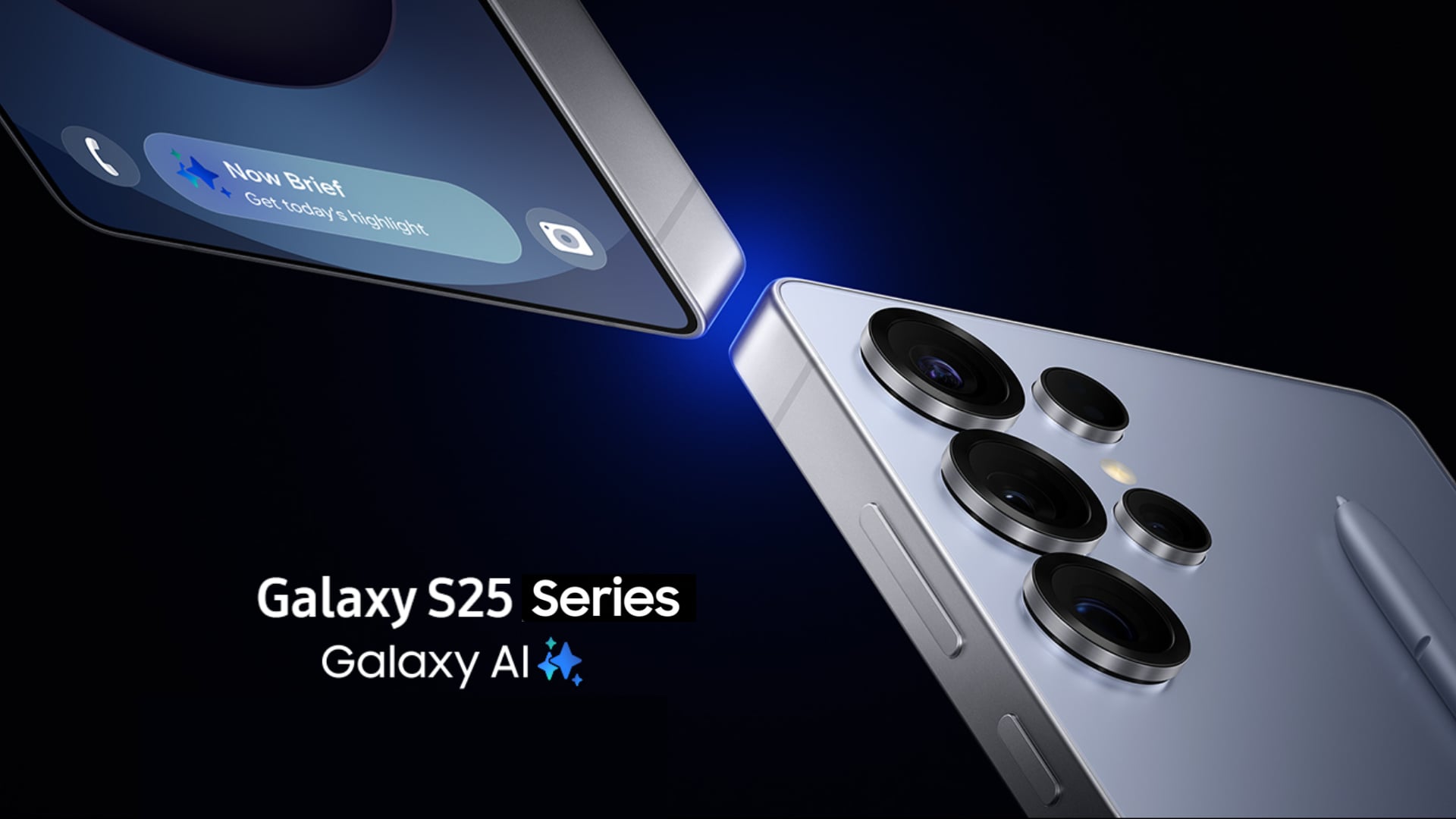
Frame from the Samsung Galaxy S25 commercial ArcaneWiz produced with AI: the phone’s Now Brief screen and its camera module meeting in blue light

Samsung Galaxy S25, a product film in 0:29

A 16:9 broadcast-cadence hero spot for a Tier-1 smartphone, produced end to end through our AI pipeline with no studio shoot: AI-generated product cinematography of the S25 (chrome, glass, screen-on), paced as hook, reveal and payoff. The same craft builds a product demo video around your own screens.

Making a film for a tech company? See AI video production for tech companies — investor, launch, demo and training films from $5,000, in 7–10 working days.

Client
Samsung
Length
0:29
Aspect
16:9, broadcast-grade
Pipeline
AI, end to end, no studio shoot

What an AI demo video is

An AI demo video is a short, cinematic film that shows how a product works, combining real footage or product UI with an AI-assisted production pipeline for generative frames, motion and grade, so it looks like a senior studio built it, not a plugin. The goal is singular: move a prospect from “I think I understand this” to “I need this.”

ArcaneWiz is an AI video production agency led by Creative Director Daniel Atzil (20+ years in cinematography, colour and sound). “Demo video” is an umbrella: product, sales, feature and event demos each do a different job across the funnel, and we produce all four by pairing traditional demo-film discipline with a named AI pipeline: Midjourney, Kling, Veo and Seedance. This is evaluation-stage craft, not a screen recording with a robotic voiceover.

The register matters. Premium B2B buyers read production value as product credibility. A demo that looks improvised makes an enterprise-grade tool feel like a side project; a SaaS demo video that is paced, scored and colour-graded makes a young product feel investor-ready. Where a raw screen recording dumps every menu on the viewer, a demo sequences one believable job-to-be-done and lands the outcome.

Four demo video types

“Demo video” is not one format; it is four, each tuned to a different moment in the buying decision. Choosing the right type before the shoot is the difference between a film that converts and one that merely exists.

  1. Product demo30–90s
  2. Sales / pitch demo60–120s
  3. Feature demo15–45s
  4. Event / conference demo45–90s

Pick the type by the job and the funnel stage, then one production can feed several placements.

  1. Product demo

    30–90sTypical length

    Best when
    A buyer is evaluating and needs to see the real UI do one job
    Primary format
    16:9 hero + in-app

    An evaluation-stage walkthrough that shows your real UI completing one job, for a buyer already comparing tools. The deepest, most technical type; for a full SaaS walkthrough see our AI product demo video service.

  2. Sales / pitch demo

    60–120sTypical length

    Best when
    A rep or founder needs a repeatable pitch for deals or investors
    Primary format
    16:9, deck-embed

    A repeatable, cinematic sales demo video a rep or founder can drop into a deal thread or an investor pitch, framing the problem and the payoff without a live call.

  3. Feature demo

    15–45sTypical length

    Best when
    Launching or upselling a single capability to existing users
    Primary format
    9:16 / 1:1, in-app

    A tight, single-capability feature demo video for launching or upselling one feature, usually in-app or in a SaaS product launch.

  4. Event / conference demo

    45–90sTypical length

    Best when
    A stage, booth or keynote reel that has to read from the back of the room
    Primary format
    16:9 large-format, sound-on

    A large-format reel built to read from the back of a room: stage, booth or keynote, paced and scored for a live audience, as in our AI event video work.

Demo vs. explainer vs. app-promo

These three formats are often confused, and choosing the wrong one wastes budget. A demo shows how the product works, an explainer argues why it matters, and an app-promo drives installs.

Demo vs. explainer vs. app-promo
FormatFunnel stageAnswersBuilt from
Demo video (this page)Evaluation / MOFU“How does it actually work?”Real UI or footage + cinematic craft
Explainer videoAwareness / TOFU“Why does this matter?”Animated concept / abstraction
App-promo videoConversion / install“Why download this app?”App-store & paid-social cutdowns

Pick demo when a buyer needs to see the product do the work before they commit; pick explainer or app-promo when the job is awareness or installs.

Where demo videos convert

One demo video is not one asset; it is a system of cutdowns placed where your buyer already is. We plan the hero cut and its derivatives together, so a single shoot works across every touchpoint of the evaluation.

  • Website hero

    A 30–60s cut above the fold that turns “what is this?” into a booked demo call.

  • Sales follow-up

    The demo dropped into a deal thread does the explaining a rep can’t scale, keeping the champion aligned with the economic buyer.

  • In-app onboarding

    Micro-demos that show the “aha” moment in the product itself.

  • Paid social and retargeting

    15-second, sound-off cutdowns in 9:16 and 1:1 that qualify clicks before they cost you.

Anatomy of a demo that converts

  1. HookFirst 3 seconds

    State the buyer’s problem before they scroll away.

  2. FeatureThe product, one job

    Show the product completing a single, believable task.

  3. OutcomeProve the result

    Land the payoff the buyer is actually buying.

  4. CTAOne next step

    A single, unmissable call to action, no competing asks.

Because demo intent sits deep in the funnel, it pairs naturally with our AI video production for B2B SaaS marketing programme: the demo converts the buyers your top-of-funnel content already warmed up.

How ArcaneWiz produces a demo video

Our pipeline is traditional craft accelerated by named AI tools, never AI in place of direction. Every project runs the same four steps under Creative Director Daniel Atzil’s eye.

  1. Storyboard & framesMidjourney
  2. Motion & sequencesKling, Veo
  3. Product capture & compositeSeedance
  4. Cinematography, colour & soundCreative Director

We never fabricate features: when a demo shows a screen, it is your product doing the exact job you sell. The deep, real-UI SaaS walkthrough, captured frame by frame, lives in our AI product demo video spoke.

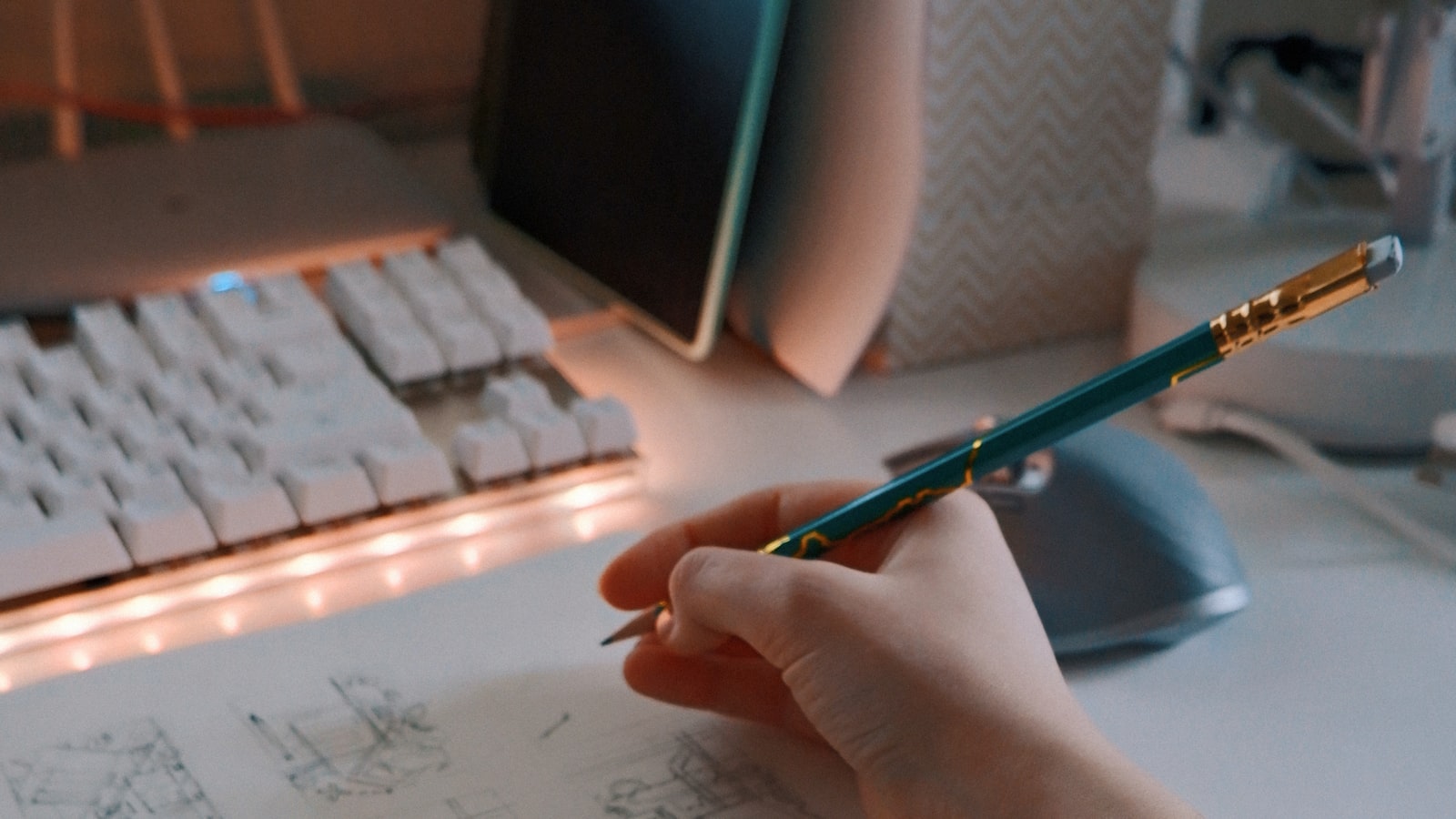
  1. Storyboard sketched at a studio desk, the first step of AI demo video production

    Storyboard & frames

    Midjourney

    We storyboard the demo like a film, then generate look-development frames in Midjourney to lock tone, palette and set before a single second renders.

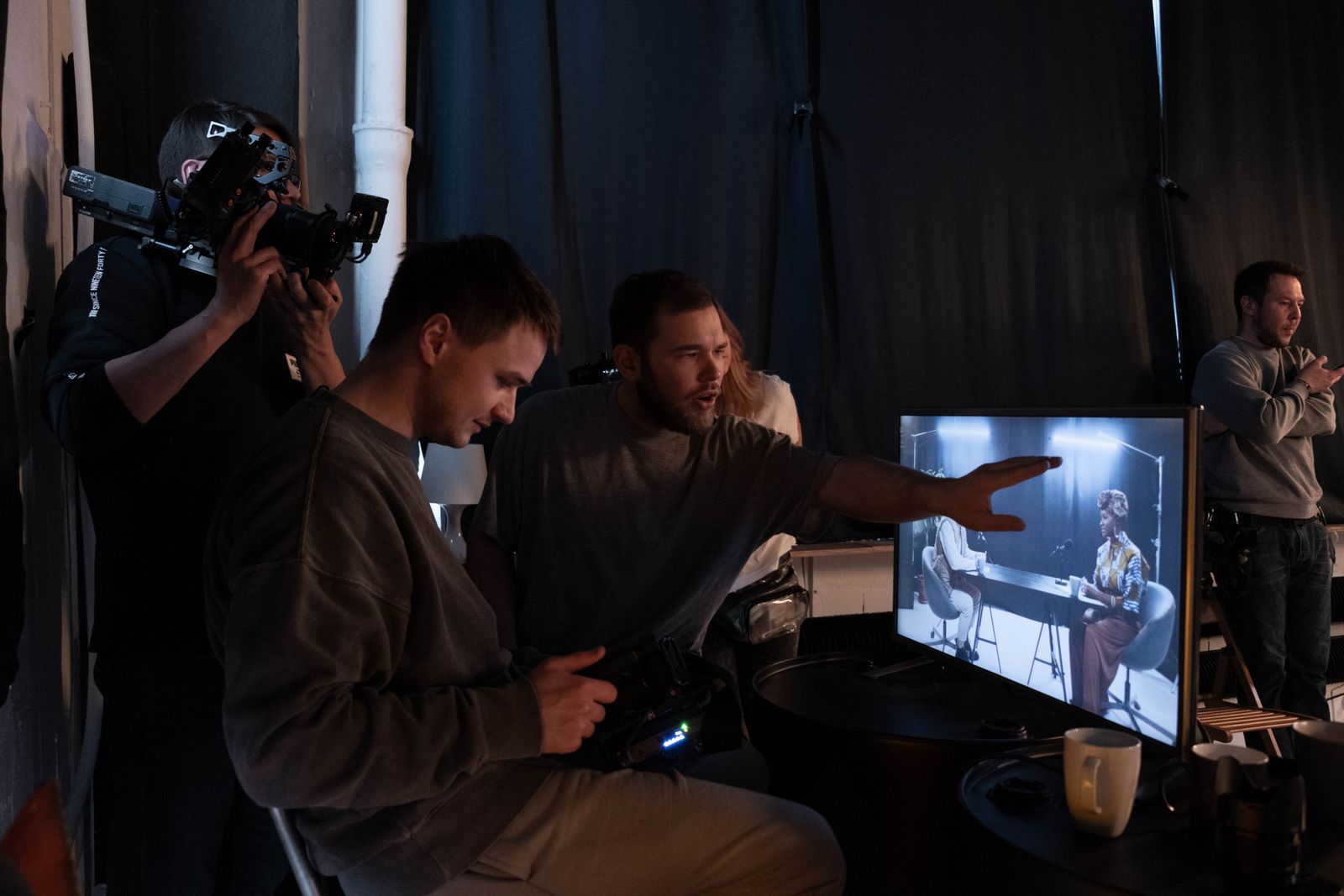
  2. Production crew reviewing motion sequences on monitors during AI demo video production

    Motion & sequences

    Kling, Veo

    Approved frames become motion in Kling and Veo: cinematic camera moves, transitions and environment that a screen recorder can never produce.

  3. Product capture & composite

    Seedance

    For product and feature demos we capture your actual product screen and composite it into the sequence, using Seedance for supporting motion so the real interface, not a mockup, is the hero of the shot.

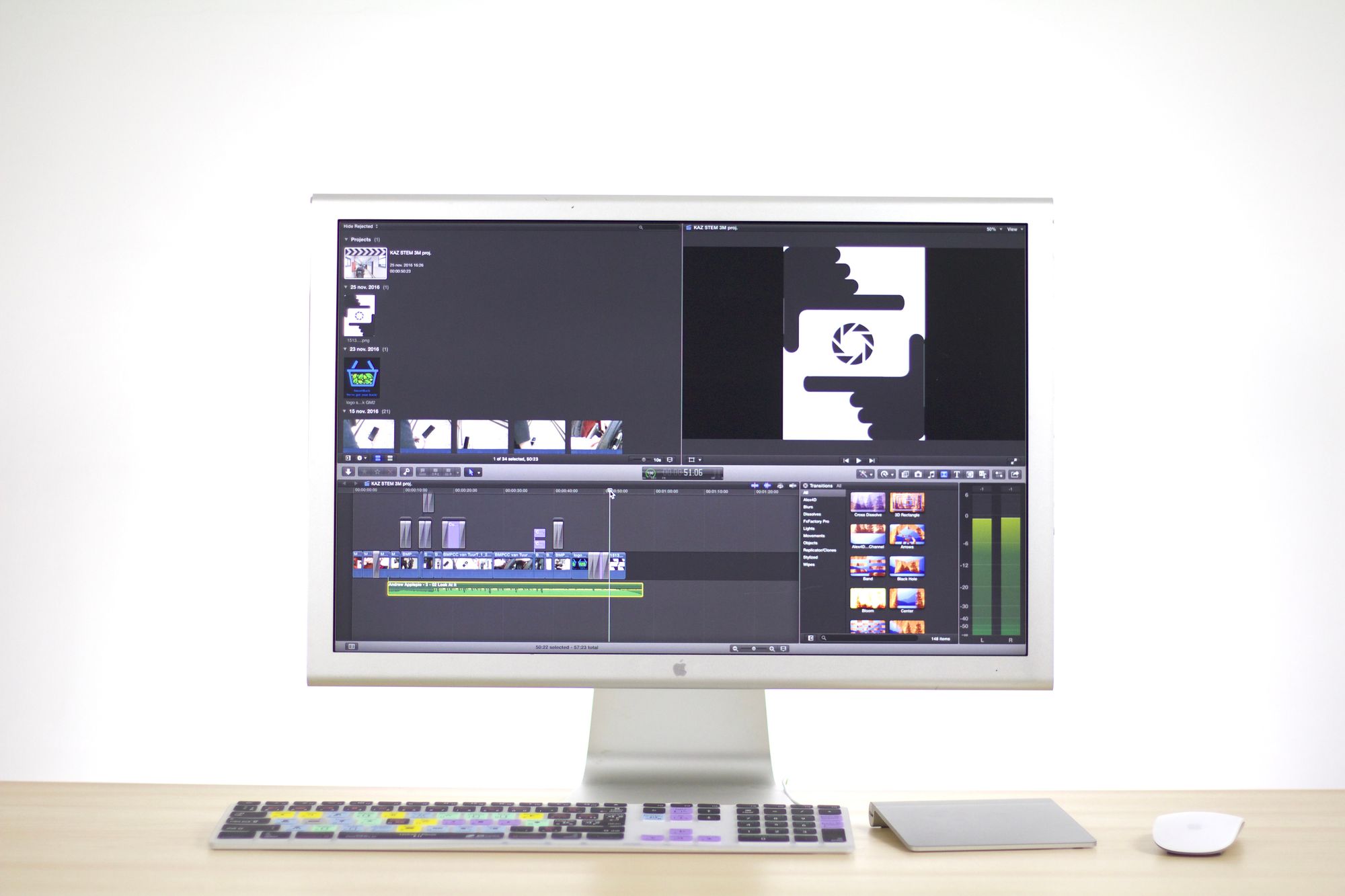
  4. Editing timeline on a studio monitor during the colour grade and sound mix of a product demo video

    Cinematography, colour & sound

    Creative Director

    The cut is graded and scored with the same discipline as a broadcast spot: pacing, colour and sound design that make the product feel premium.

Demo video formats, one shoot

You commission one production and leave with a library. Each deliverable is planned before the shoot, so framing, pacing and captions are designed for their placement rather than salvaged from a single master afterwards.

Standard demo-video deliverables
DeliverableLengthAspectWhere it runs
Hero cut30–90s16:9Homepage, sales deck
Paid-social cutdowns15s9:16, 1:1LinkedIn, Meta, YouTube pre-roll
In-app micro-demos5–15s16:9 / 9:16Onboarding, feature tours
Aspect variantsper cut16:9, 9:16, 1:1Every placement, nothing cropped by an ad platform

One shoot, planned as a system: hero cut, cutdowns and micro-demos share the same craft.

The same craft in client films

Demo video cost and timeline

Investment from $5,000 per video. See pricing

7–10

working days from an approved brief

Demo video cost is set by scope, not by a rate card: length, the number of cutdowns, real-UI capture and shoot complexity. The simpler, shorter demo types (a single feature demo or a tight social cutdown) sit at the entry of the category; there is no fixed ceiling, and every project is quoted against its brief.

Deeper, real-UI SaaS walkthroughs are a more involved production and sit above this entry tier; see the AI product demo video spoke. A focused hero cut ships in 7–10 working days from an approved brief, with the Creative Director reviewing every stage. To size a budget first, try the AI video ROI calculator.

AI demo video questions

Straight answers to what product marketing and sales teams ask before they brief a demo video.

What is an AI demo video?

An AI demo video is a short cinematic film that shows how a product works, combining real footage or product UI with an AI-assisted pipeline for frames, motion and grade. Unlike a plain screen recording, it sequences one job-to-be-done and lands the outcome, so a buyer in evaluation understands the value and finishes the video. ArcaneWiz, led by Creative Director Daniel Atzil, builds these with senior direction and a named tool stack.

How much does an AI demo video cost?

AI demo video production at ArcaneWiz starts from $5,000 per video; the exact figure is scoped to the brief. What moves the price is length, the number of cutdowns, whether we capture your real UI, and shoot complexity, and there is no fixed ceiling. A single feature demo or a tight social cutdown is the lightest scope; a deep SaaS product walkthrough is a larger production. The tiers are on the pricing page.

How long does it take to produce a demo video?

A focused hero cut ships in 7–10 working days from an approved brief. Look-development and motion move faster through Midjourney, Kling, Veo and Seedance, and Creative Director Daniel Atzil reviews every stage so speed never costs craft. Timelines depend on access to your product screens and the number of cutdowns; larger multi-format packages take longer. Tell us your launch date and we will commit to a schedule.

How long should a product demo video be?

A product demo video for a website hero or a sales follow-up works best at 30 to 90 seconds: long enough to show one job end to end, short enough to finish. Sales and pitch demos run 60 to 120 seconds, feature demos 15–45 seconds, paid-social cutdowns about 15 seconds sound-off, and in-app micro-demos 5 to 15. We plan every length from one shoot, so each placement gets its own cut.

Can you use our real product UI in the demo?

Yes. For product and feature demos we capture your actual product screen and composite it into the cinematic sequence, so the interface in the video is the software you sell, not a fabricated mockup. Real UI keeps a SaaS demo video honest and reassures a technical buying committee. For a deep, frame-by-frame walkthrough of a SaaS product, see our dedicated AI product demo video service.

What are the different types of demo video?

There are four main types of demo video. A product demo shows your real UI completing a task for a buyer comparing tools; a sales or pitch demo is a repeatable cinematic pitch for deals and investors; a feature demo highlights one capability for a launch or an upsell; and an event demo is a large-format reel for a stage, booth or keynote. Choosing the type before the shoot is what makes a demo convert.

What’s the difference between a demo video, an explainer video and an app-promo video?

A demo video is evaluation-stage and functional: it answers “how does it work?” with real UI or footage for a buyer comparing tools. An explainer video is top-of-funnel and conceptual, answering “why does this matter?” with animation. An app-promo video drives app-store installs with short paid-social cutdowns. Choose a demo when a prospect needs to see the product do the work before a trial or a call.

Which AI tools do you use to make demo videos?

We use Midjourney for storyboard and look-development frames, Kling and Veo for cinematic motion and sequences, and Seedance for supporting motion around composited product UI. Every stage is directed by Creative Director Daniel Atzil, who brings 20+ years in cinematography, colour and sound. The tools speed up AI demo video production; storyboarding, shot design, grade and sound design stay traditional craft, which is what separates our demos from prompt-only output.

Will an AI demo video look generated to enterprise buyers?

No. The AI tools generate frames and motion, but a Creative Director storyboards, directs, grades and scores every cut, and the product on screen is your real interface. That is how the Samsung Galaxy S25 commercial reached a broadcast-grade bar with no studio shoot. Premium B2B buyers read production value as product credibility, so every demo is finished to the standard of a broadcast spot, not a template.

Can one demo video work for sales, ads and onboarding?

Yes, when it is planned as a system. We plan the hero cut and its derivatives before the shoot: a 30 to 90 second hero cut for the website and sales deck, 15-second sound-off cutdowns in 9:16 and 1:1 for paid social, 5 to 15 second micro-demos for onboarding, and aspect variants for every placement. One production then feeds every stage of the B2B buyer journey.

Can a demo video help an investor pitch or a product launch?

Yes. A sales or pitch demo is built as a repeatable, cinematic pitch a founder can send before a meeting or play in the room, framing the problem and the payoff without a live product walkthrough. For a raise, see our investor pitch video service; for a release, a feature demo pairs with an AI video for a SaaS product launch, cut for the announcement and in-app.

What do you need from us to start a demo video?

To start, we need the product and the one job the demo should show, access to the screens we will capture, the audience and placement, and your target launch date. Share them on our get started page and we will scope an exact figure and schedule. Once the brief is approved, a focused hero cut ships in 7–10 working days, with the Creative Director reviewing every stage.
Brief your demo video

Looking for the best AI demo video company for SaaS and tech? ArcaneWiz pairs a Creative Director with 20+ years of cinematography, colour and sound with a named AI pipeline (Midjourney, Kling, Veo and Seedance) to produce product, sales, feature and event demos that convert buyers in evaluation.

What should the video do?

4 fields start a brief.

    The format, where it will run, and anything you already know.
    Read by
    Daniel Atzil, founder and creative director
    Reply
    By email, to the address you give
    A longer brief
    Write it on the contact page

    Ready to launch your video?

    Talk to us about your next push — or book a free 30-minute discovery call with Daniel.

    Brief · 4 fields

    What should the video do?

    Daniel Atzil
    Read by
    Daniel Atzil, founder and creative director
    Reply
    By email, to the address you give

    A longer brief? Write it on the contact page

    HE