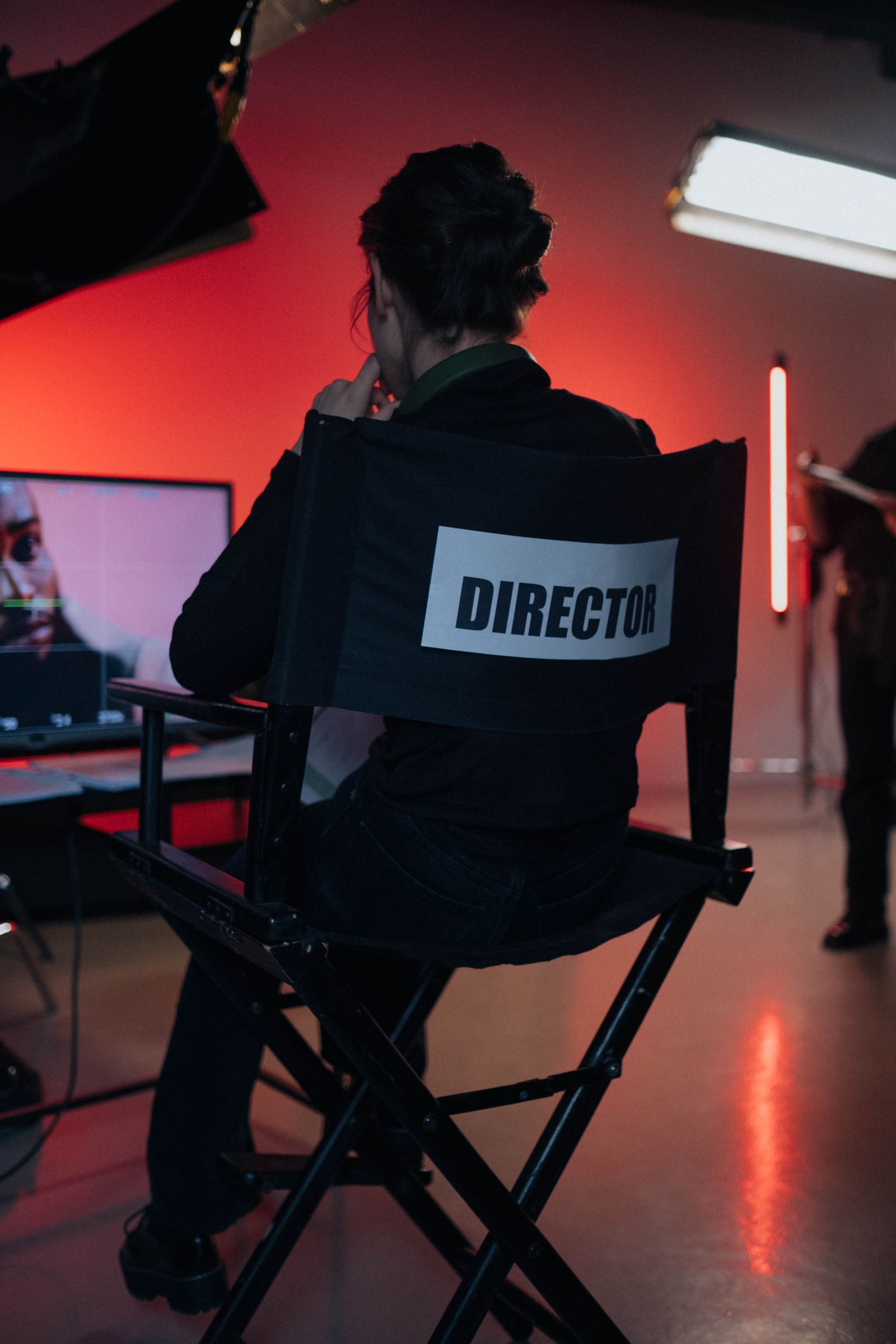
Every dollar not spent on shoot days stays in the business, funding the next hire instead of a production line item. At pre-revenue a launch film is not a marketing expense you minimise — it is a capital allocation you time correctly, and the share that never leaves the account is runway you still control.
A category moment — a product launch, a fundraise, a keynote — has a fixed window and usually someone else’s date on it. An eight-to-ten-week production cycle means committing to that date before you can confirm it. A 7-10 working day cycle means you brief once the date is real. Arriving after the moment has passed is the one failure mode a cheaper film cannot fix.
The pitch room is where production value converts most directly. A deck reads as a work-in-progress; a 90–120-second film shown in the same room makes an early team read as category-ready. That is a different job from selling to customers, which is why the investor pitch reel is scoped separately in Table 2 rather than cut down from the launch film.
Most founders who brief us have no creative lead, no brand system past a logo file, and no capacity to manage an agency through six weeks of review. The pipeline assumes exactly that: one brief session, one approval gate on style frames, one on the assembled cut. You supply business context; story architecture, art direction, colour, sound, and edit are ours.
And brand polish is not vanity at Series A — it is positioning. Your launch film is often the first serious signal a prospect, partner, or downstream investor receives about how you see the category.