
The Paradox of AI Filmmaking
There’s a paradox at the heart of the AI video revolution: the more powerful the technology becomes, the more important traditional filmmaking skills become. It sounds counterintuitive, but it’s the defining truth of cinematic AI in 2026.
Anyone with an internet connection can now generate AI video. The tools — Kling 3.0, Veo 3.1, Sora 2, and a growing ecosystem of open-source models — are increasingly accessible. Yet the gap between amateur AI video and professional, cinematic AI content has never been wider.
The difference isn’t the technology. It’s the filmmaker behind it.
What Makes Video “Cinematic”?

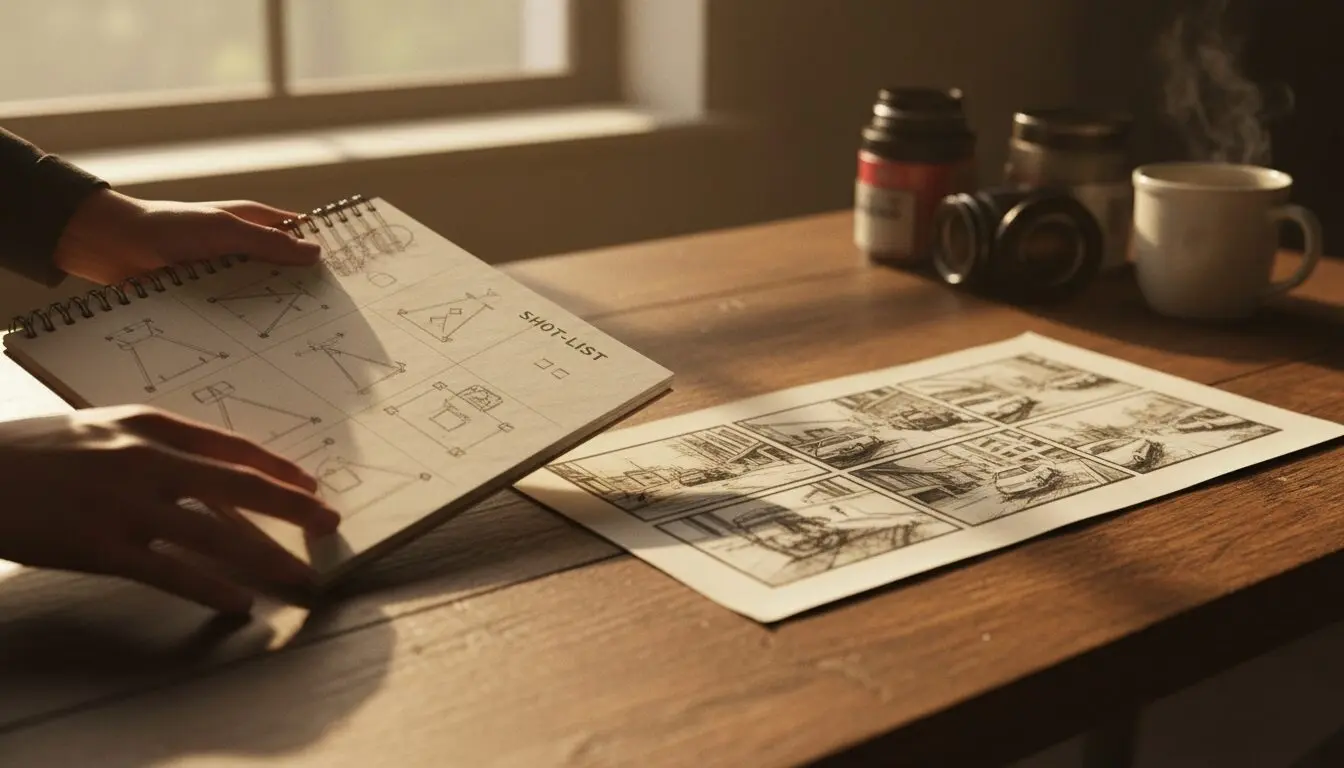
Before we can discuss why filmmaking skills matter in AI production, we need to define what “cinematic” actually means. It’s a word that gets thrown around loosely, but it refers to specific, learnable craft elements:
Composition
Where subjects are placed within the frame. The rule of thirds, leading lines, negative space, symmetry and asymmetry — these principles guide the viewer’s eye and create visual tension or harmony. A filmmaker instinctively composes frames that feel intentional. An AI prompt without compositional direction produces frames that feel random.
Lighting
Light is the fundamental language of cinema. Hard light creates drama. Soft light creates intimacy. Backlighting creates mystery. Motivated lighting (light that appears to come from a source within the scene) creates believability. Classical filmmakers spend years studying how light shapes mood and meaning.
Camera Movement
Every camera movement should serve the story. A slow dolly-in builds tension. A tracking shot creates energy. A static frame demands the viewer’s attention. When camera movement is arbitrary, the video feels aimless — and AI’s default tendency is exactly that: arbitrary movement.
Pacing and Rhythm
The rhythm of cuts, the duration of shots, the building and releasing of tension — these create the emotional architecture of a video. A 30-second commercial has a precise rhythmic structure that experienced editors feel intuitively.
Color and Tone
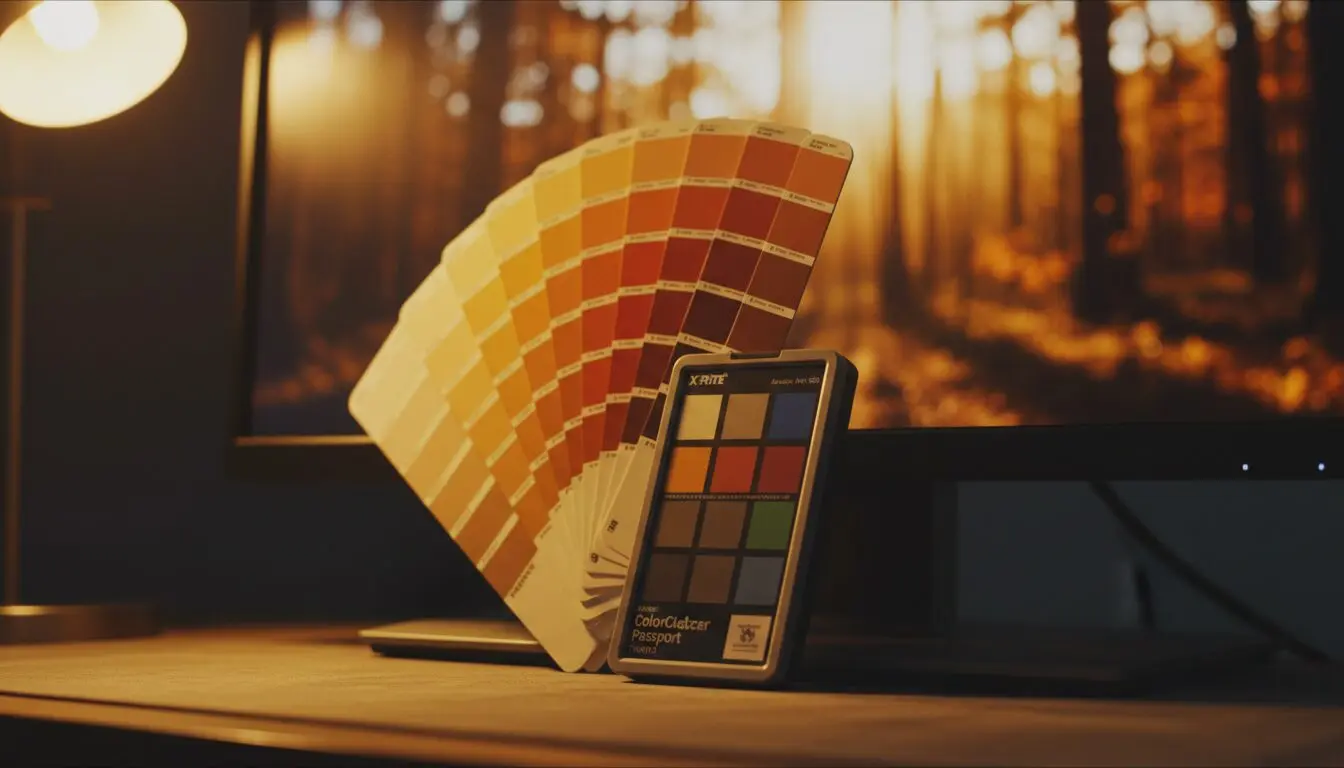
Color palettes communicate mood before a single word is spoken. Cool blues for corporate trust. Warm golds for luxury. Desaturated tones for drama. Color grading is not decoration — it’s storytelling.
Why AI Amplifies the Need for These Skills
In traditional production, many cinematic qualities are embedded in the physical process. A skilled cinematographer sets up the camera, positions the lights, and directs the shot. The physics of real lenses, real light, and real space inherently create many of the qualities that make footage feel “cinematic.”
AI generation has no such inherent qualities. Every cinematic attribute must be intentionally directed by the human creator. This means:
- Without compositional direction, AI generates generic, centered, flat compositions
- Without lighting specification, AI defaults to evenly lit, shadowless environments
- Without camera movement guidance, AI produces static or randomly moving cameras
- Without editorial vision, AI-generated clips don’t build into a coherent narrative
In other words, AI is an incredibly powerful instrument — but it requires a musician to make it sing. The filmmaker’s role hasn’t diminished; it has become more essential than ever.
The ArcaneWiz Approach: Classical Craft Meets Cutting-Edge Technology
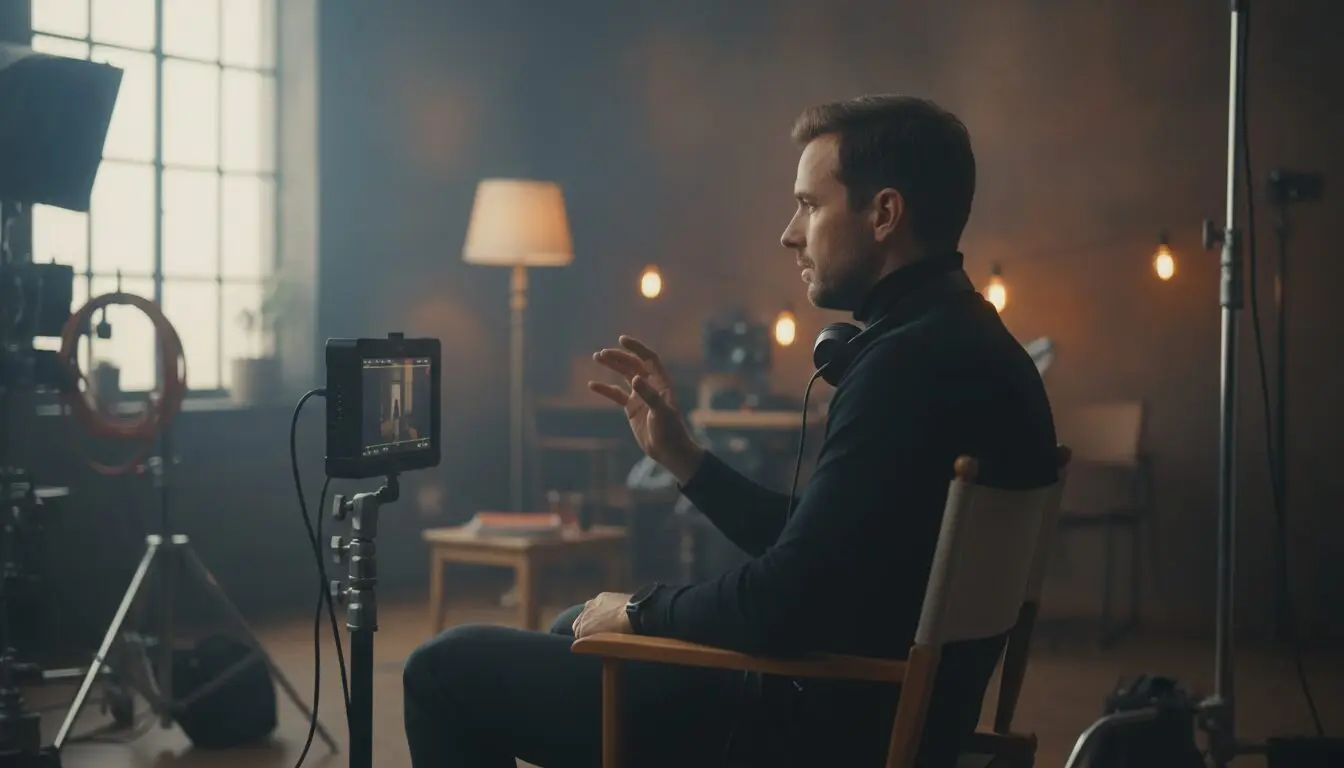
This philosophy is central to how ArcaneWiz operates. Founded by Daniel, a creative director with deep roots in classical filmmaking, ArcaneWiz was built on the premise that AI tools are most powerful in the hands of experienced filmmakers.
The ArcaneWiz workflow integrates classical techniques at every stage:
Pre-Production as Cinematographic Planning
Before any AI generation begins, the team develops detailed shot lists, lighting plans, and compositional references — just as they would for a traditional shoot. Each shot is designed with specific cinematic intent: what should the viewer feel? Where should their eye move? What’s the visual rhythm of the sequence?
Directed Generation
Rather than generating random video and selecting the best results, ArcaneWiz’s directors craft precise prompts informed by cinematographic knowledge. They specify focal lengths, lighting setups, camera movements, and atmospheric qualities — translating the language of filmmaking into the language of AI.
Cinematic Post-Production
The editing and finishing process applies the same rigor as any professional post-production workflow: color grading that serves the narrative, sound design that builds immersion, and pacing that holds attention. The tools are different, but the craft principles are identical.
The result is content that doesn’t look like “AI video” — it looks like film. View examples in the ArcaneWiz portfolio.
What This Means for the Future of the Industry
The Rise of the AI Director
A new role is emerging: the AI director. Not a prompt engineer (a term that dramatically undersells the skill involved), but a creative director who fluently speaks both the language of cinema and the language of AI. These individuals combine:
- Deep understanding of visual storytelling
- Technical knowledge of AI generation tools and their capabilities
- Post-production expertise for finishing and compositing
- Brand strategy acumen for commercial applications
Film Schools Will Adapt
The most forward-thinking film programs are already integrating AI tools into their curricula — not as a replacement for traditional training, but as an extension of it. Students still learn lighting, composition, and editing. They now also learn how to apply those skills through AI workflows.
Quality Will Diverge
As AI tools become more accessible, the volume of AI-generated video will explode. But quality will diverge dramatically. The content that rises to the top — that wins awards, drives conversions, and builds brands — will be the content made by filmmakers who happen to use AI, not technologists who happen to make video.
The Human Element Is the Competitive Advantage
In a world where everyone has access to the same AI models, the human creative vision becomes the ultimate differentiator. This is true for brands choosing production partners, for agencies selecting vendors, and for filmmakers building their careers.
The future of cinematic AI isn’t about the technology. It’s about the artists, directors, and storytellers who use it. The tools will keep evolving — Kling 4.0, Veo 4, and whatever comes next. But the principles of great filmmaking — composition, light, movement, rhythm, emotion — are timeless.
That’s why ArcaneWiz invests in filmmakers first and technology second. It’s why the work stands out. And it’s why, in the age of AI, classical filmmaking skills don’t just matter — they matter more than ever.
Frequently Asked Questions

What is the future of cinematic AI in commercial production?
The future is craft-led, not model-led. As generation quality commoditizes, the advantage shifts to the studios that bring real cinematography — lens language, motivated light, controlled grade, and story pacing — to the tools. Cinematic AI becomes a director’s medium, and premium brands gravitate to teams that treat it that way. See how cinematic AI for premium brands is already taking shape.
Why do classical filmmaking skills still matter in AI video?
Because the fundamentals of a great image — composition, contrast, movement, rhythm — predate any camera and outlast any model. AI can render a frame, but it can’t decide whether that frame earns its place in the story. Those decisions are classical filmmaking, and they are exactly what separates cinema from output. Our essay on AI and classical filmmaking shows why the craft endures.
Which classical filmmaking roles still exist in AI commercials?
The judgment roles all remain: director, cinematographer, editor, colorist, and sound designer — now expressed through a generation pipeline instead of a camera crew. Someone still has to see the film before it exists and hold it to a standard. That is the role ArcaneWiz, led by Daniel Atzil (20+ years in cinematography and commercial direction) keeps at the center of every project. See why the director still matters in an AI workflow.
Which AI tools are pushing cinematic quality forward?
Three engines lead the cinematic frontier: Veo for photoreal motion and camera moves, Kling for continuity and character consistency, and Seedance for stylized, high-energy sequences. Each improves in months rather than years, but none directs itself — the leap in quality comes from pairing them with a trained eye. See how we apply them in cinematic AI video production.
Will AI commercial production replace traditional cinema crews?
Not entirely — and we won’t pretend otherwise. Large-scale live-action, stunt work, and practical-effects productions still need full physical crews, and will for years. What AI replaces is the logistics tax on the many projects that never needed that scale. The two approaches will coexist, chosen by brief. See what makes an AI commercial look cinematic to judge where AI already suffices.
How fast is cinematic AI quality improving year-over-year?
Fast — realism, motion physics, and continuity that looked broken a year ago are now broadcast-usable, and each model generation compresses the gap further. But the quality of the tooling is outpacing the quality of taste in the market, which is why directed output still stands out. See where the frontier sits today in cinematic AI video production.
What new roles emerge in cinematic AI production?
New hybrid roles are forming — the director who prompts, the DP who art-directs generations, the editor who curates thousands of options into a cut. They are less new professions than classic crafts fused with model fluency. The most valuable people combine both. See why traditional directors in AI video production sit at the center of that shift.
How do brands evaluate cinematic AI work for premium campaigns?
Premium brands evaluate it on finish, not novelty: does it hold to brand standards, feel expensive, and read as intentional in every frame? The tells of amateur AI — flat light, plastic texture, drifting geometry — have to be absent. That bar is a craft bar, not a tooling one. See what makes an AI commercial look cinematic for the checklist brands use.
What’s the 5-year outlook for cinematic AI craft?
Over five years, generation becomes near-instant and near-free, which paradoxically makes human taste the scarce, priced ingredient. Studios that own cinematic judgment will command premium work; pure model operators will compete on price. Craft moves up the value chain, not out of it. See how cinematic AI for premium brands is already rewarding that shift.
Where can I see examples of cinematic AI work?
The clearest way to judge cinematic AI is to watch it at full quality, in context. Our reel spans commercials, brand films, and product work, each directed frame by frame rather than generated wholesale — so you can assess craft, not just capability. Browse our AI video portfolio to see the standard for yourself.