
WanWanNano BananaNano BananaTopaz LabsTopaz LabsBytePlusBytePlus
Directed by Daniel Atzil
Seedance 2.5Seedance 2.5KlingKling
DreaminaDreaminaMagnificMagnificGPT ImageGPT ImageElevenLabsElevenLabs
OpenArtOpenArtCapCutCapCutMagnific UpscaleMagnific Upscale
The AI video production tools behind every ArcaneWiz film
Seedance 2.5 in Dreamina, Kling, Wan, Nano Banana, GPT Image, Magnific, Topaz Labs, ElevenLabs, CapCut and OpenArt. Every one of them is a tool. The film is still directed.
Tools don’t make films. Directors do.
Anyone can open Seedance or Kling and type a prompt. What comes back is a clip. A film is something else: a story, characters who stay the same person from shot to shot, camera moves that mean something, an edit with rhythm, and sound that lands.
Daniel Atzil has spent more than 20 years directing and editing films. He founded ArcaneWiz in 2024 to bring that craft to AI video production. Daniel and his team choose the tool for each shot, throw away what doesn’t work, and keep going until the sequence plays like a film, not like a set of disconnected AI clips.
Story first
Every project starts with a script, a storyboard and a shot list, before a single generation.
The right model per shot
No single AI video tool is best at everything, so we test, compare and choose shot by shot.
Finished, not generated
Edit, colour, upscale, voice and sound mix happen before you see a master.
From idea to master: how the tools fit together
The tools change every few months. The order of the work does not. Here is where each tool sits in an ArcaneWiz production.
Story
Script, treatment, shot list.
The director
Characters & look
Character sheets, faces, wardrobe, proportions, expressions.
- GPT Image (in ChatGPT)
- Nano Banana
Source images
Keyframes, locations, visual language; enhance and upscale.
- Magnific
Shot generation
Camera movement, performance, lighting, continuity.
- Seedance 2.5 in Dreamina
- Kling
- Wan
Story review
What’s missing, which scenes to change, how to deepen the story.
- OpenArt AI Director
Voice & sound
Voice-over, dialogue, sound design.
- ElevenLabs
Edit & finish
Pace, continuity, emotional timing, upscale to delivery.
- CapCut
- Topaz Labs
- Magnific Upscale
Master
The finished film, cut for every placement.
The AI video tools we use, and what we use them for
Grouped by what they do in the film. Names, makers and what each tool is for, in plain words.
13 tools shown
Tool names and trademarks belong to their owners. ArcaneWiz is an independent studio; listing a tool does not imply endorsement.
Video generation
Seedance 2.5
by ByteDance. ByteDance’s latest AI video model.
How we use it: Our main engine for shots. In TRUE NORTH most of the footage was generated with Seedance 2.5, working shot by shot on camera movement, performance, expressions, lighting and continuity.
Dreamina (Dreamina AI)
by ByteDance (the CapCut family). The creative platform where we run Seedance.
How we use it: Dreamina’s Canvas and AI Video tools are where shots are built, compared and iterated.
Daniel Atzil is a Dreamina Creative Partner.
BytePlus
ByteDance’s enterprise technology arm. Its ModelArk platform offers API access to the Seedance models for businesses.
Why it matters to you: The same model family is available at enterprise level, so the look we develop can scale to larger campaigns.
Kling
by Kuaishou. A leading AI video model, now in its 4.0 generation.
How we use it: A second engine for shots that call for a different motion or look. Our broadcast-quality commercial for a luxury brand was made with Kling 3.0 read the case study.
Wan
by Alibaba. An AI video model family.
How we use it: Part of the bench: when a shot needs another take, we try it in another model and keep the best one.
Image & character design
GPT Image (in ChatGPT)
by OpenAI.
How we use it: Character design and detailed character sheets: consistent facial features, age, wardrobe, proportions and expressions, so characters stay recognisable across shots.
Nano Banana
by Google. Google’s image generation and editing model.
How we use it: Keyframes, image edits and reference images for shots.
Magnific
by Magnific (formerly Freepik).
How we use it: Source images for the film and the visual language, plus enhancing raw images.
Upscale & finish
Magnific Upscale
Magnific’s upscaler.
How we use it: Adds detail and resolution to source images before they go to video.
Topaz Upscale (Topaz Labs)
by Topaz Labs.
How we use it: Upscaling and cleaning footage to delivery resolution.
Voice & sound
ElevenLabs
AI voice and audio.
How we use it: Voice-over, dialogue and sound where the film calls for them.
Edit
CapCut
by ByteDance. Video editor.
How we use it: Editing, and fast cut-downs for social placements.
Story
OpenArt AI Director
by OpenArt (OpenArt AI).
How we use it: A creative collaborator after the first cut: what’s missing, which scenes should change, how to deepen the story.
Films made by Daniel Atzil and his team
Four recent films, four different jobs: a personal short, a festival film, a company film and an investor film. Press play.
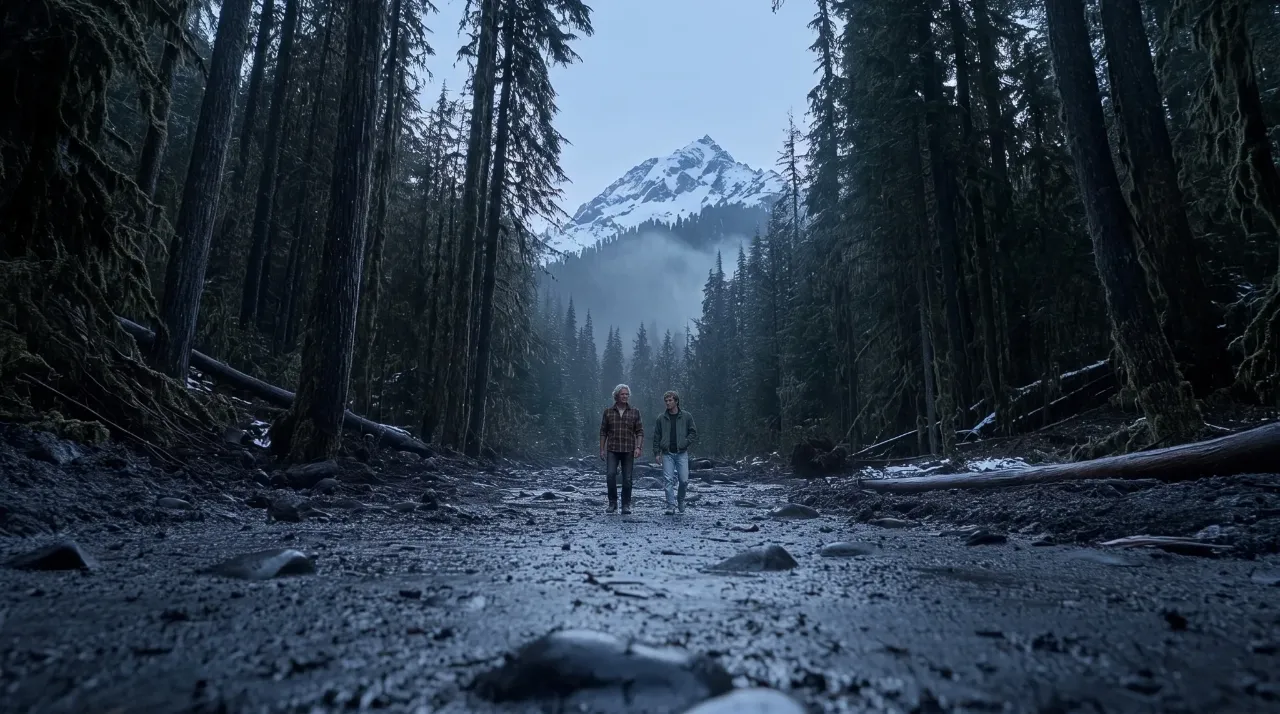
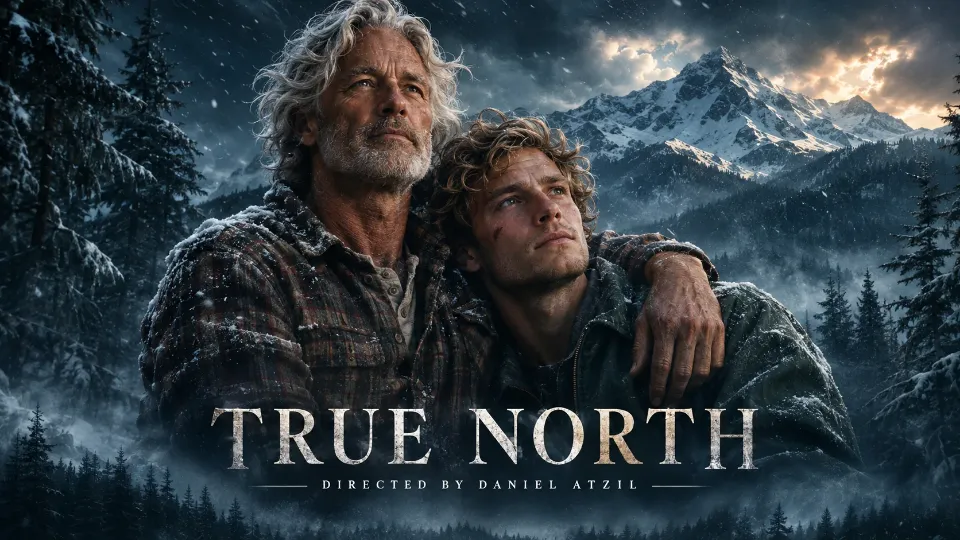
TRUE NORTH
AI short film 3:47
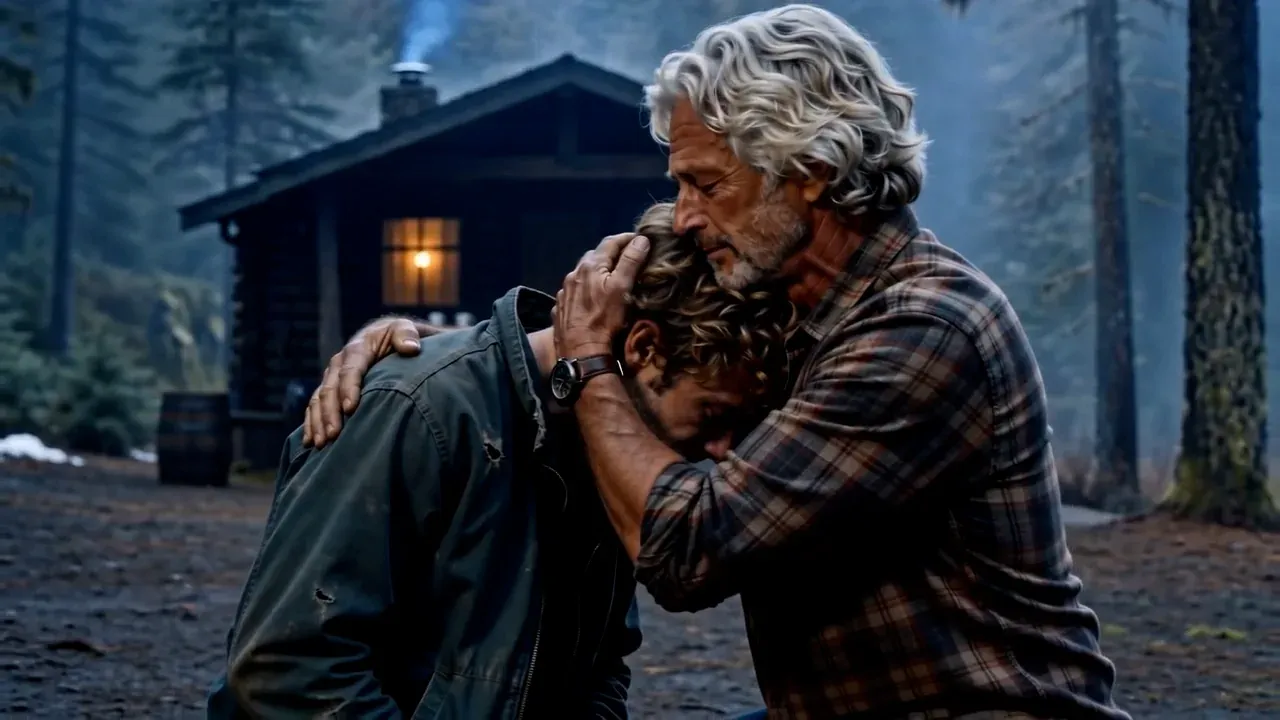
Written & directed by Daniel Atzil. A son races against time to guide his aging, confused father home through a frozen wilderness.
Made with GPT Image, Magnific, Seedance 2.5 in Dreamina and OpenArt AI Director.
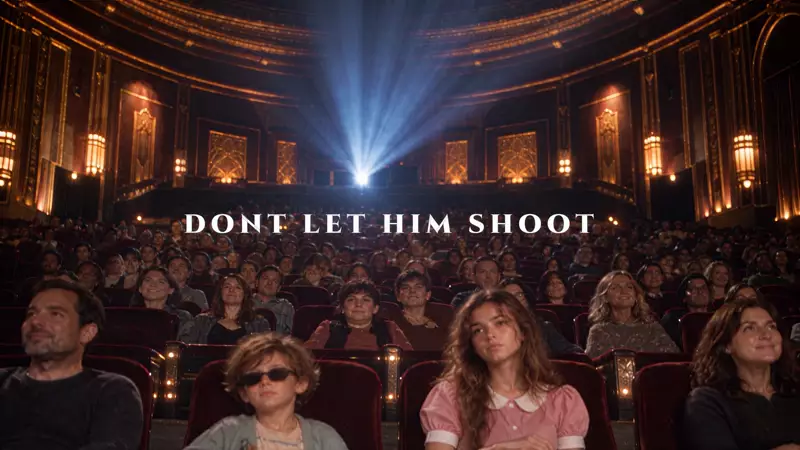
Don’t Let Him Shoot
Love Letters to Cinema 1:15
Episode 56 of 100 in the SHAIKE Original series powered by Dreamina AI, created in La Ciotat during the SHAIKE film festival.
Made with Dreamina AI.
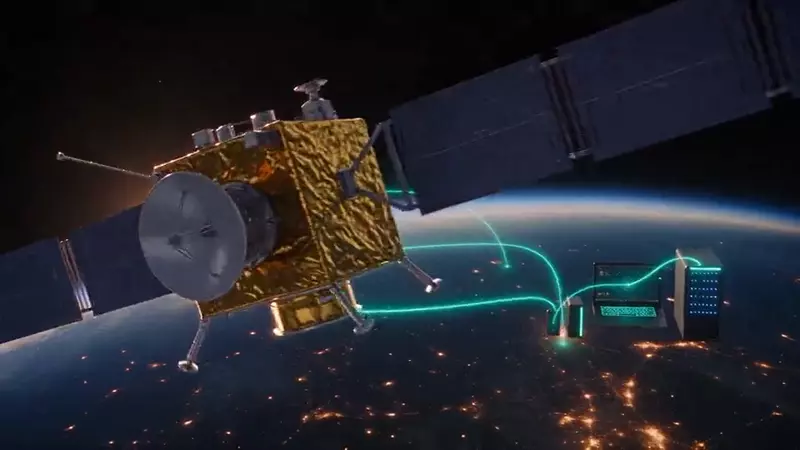
proteanTecs
Company film 2:25
A company film for proteanTecs: chip-health monitoring, a technology you cannot photograph.
Made with Dreamina, Seedance 2.5, GPT Image, Magnific and ElevenLabs.
Scorli
Investor film 1:00
A one-minute investor film for Scorli.
Made with Dreamina, Seedance 2.5, GPT Image, Magnific and ElevenLabs.
TRUE NORTH: how one AI short film was made
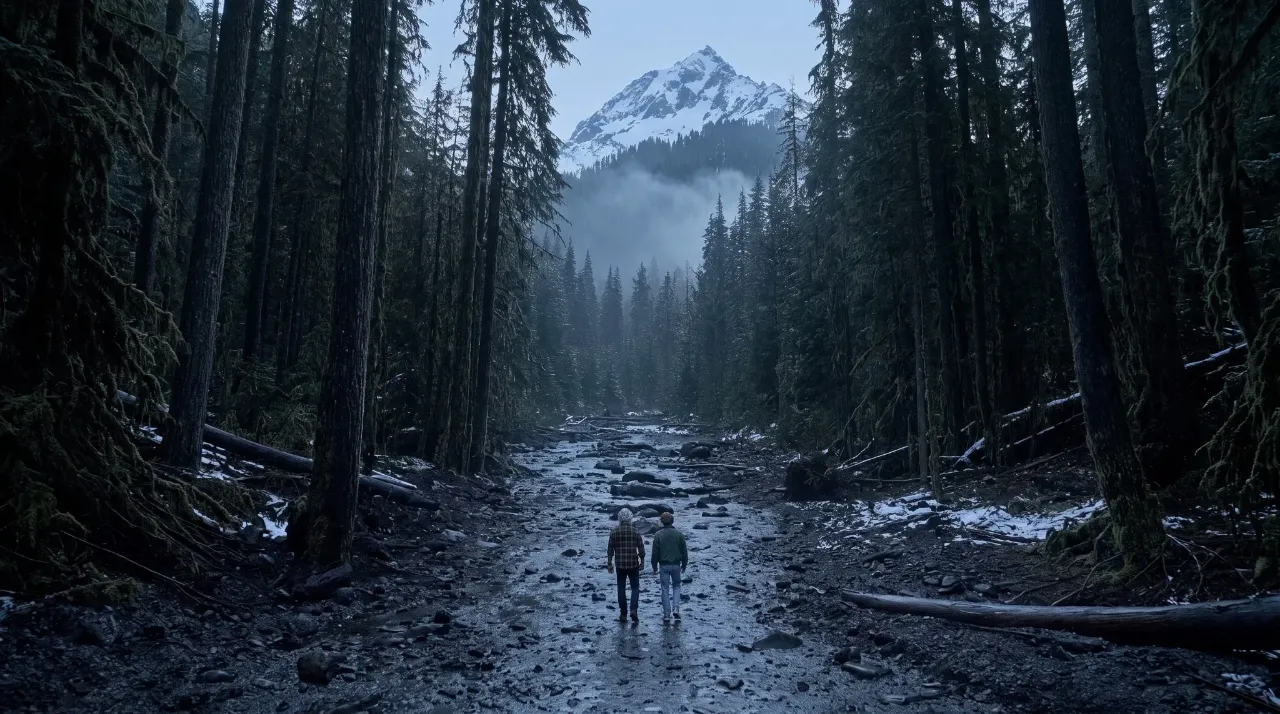
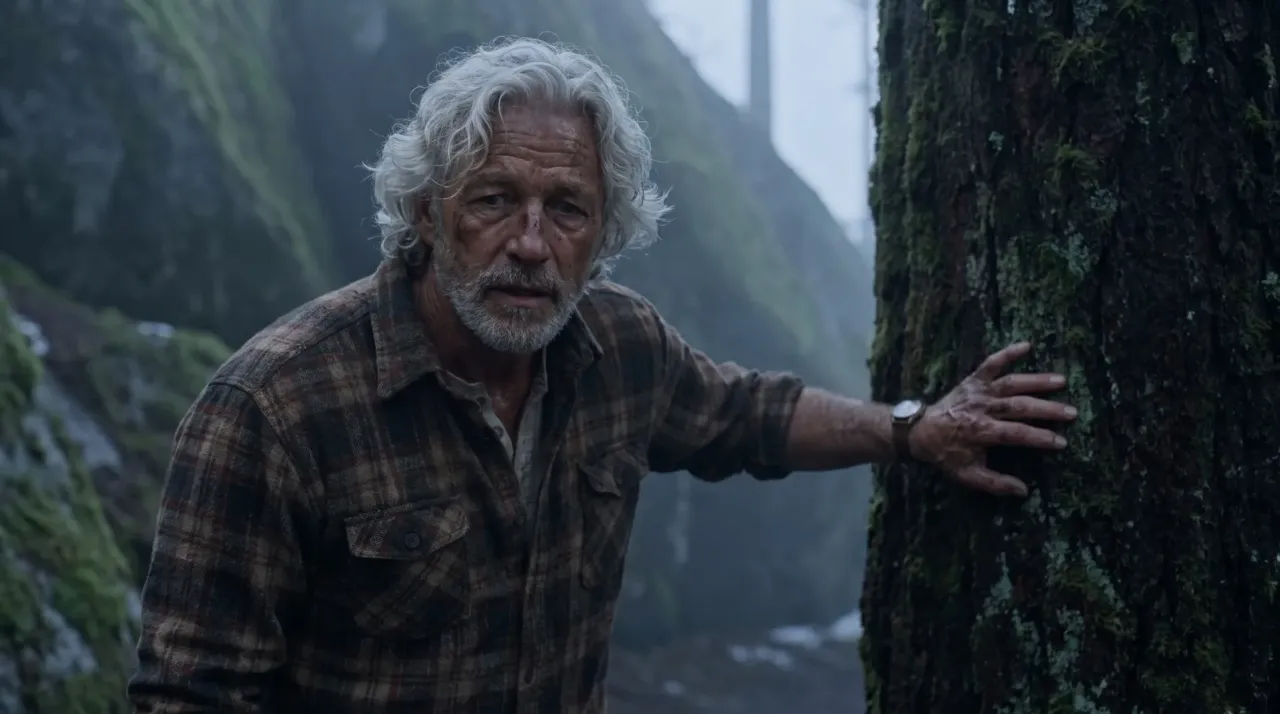
TRUE NORTH is a personal short film written and directed by Daniel Atzil: a father and son lost in a snowbound forest, and a story about memory, family, and the fear of losing someone who is still beside you. Daniel’s goal was to see how far the new tools could take him as a filmmaker, not just as an AI content creator.
A film driven by a story, not a client brief.
- GPT
- Magnific
- Dreamina
- OpenArt
The creative vision
After years of commercials and branded content, Daniel returned to a personal film that began with a story he wanted to tell.
Screenplay
The main challenge was balancing mystery and emotion: viewers should sense something is wrong with the father without understanding why too early. The script kept evolving as the generated footage and the edit suggested new storytelling decisions.
Character design
GPT Image
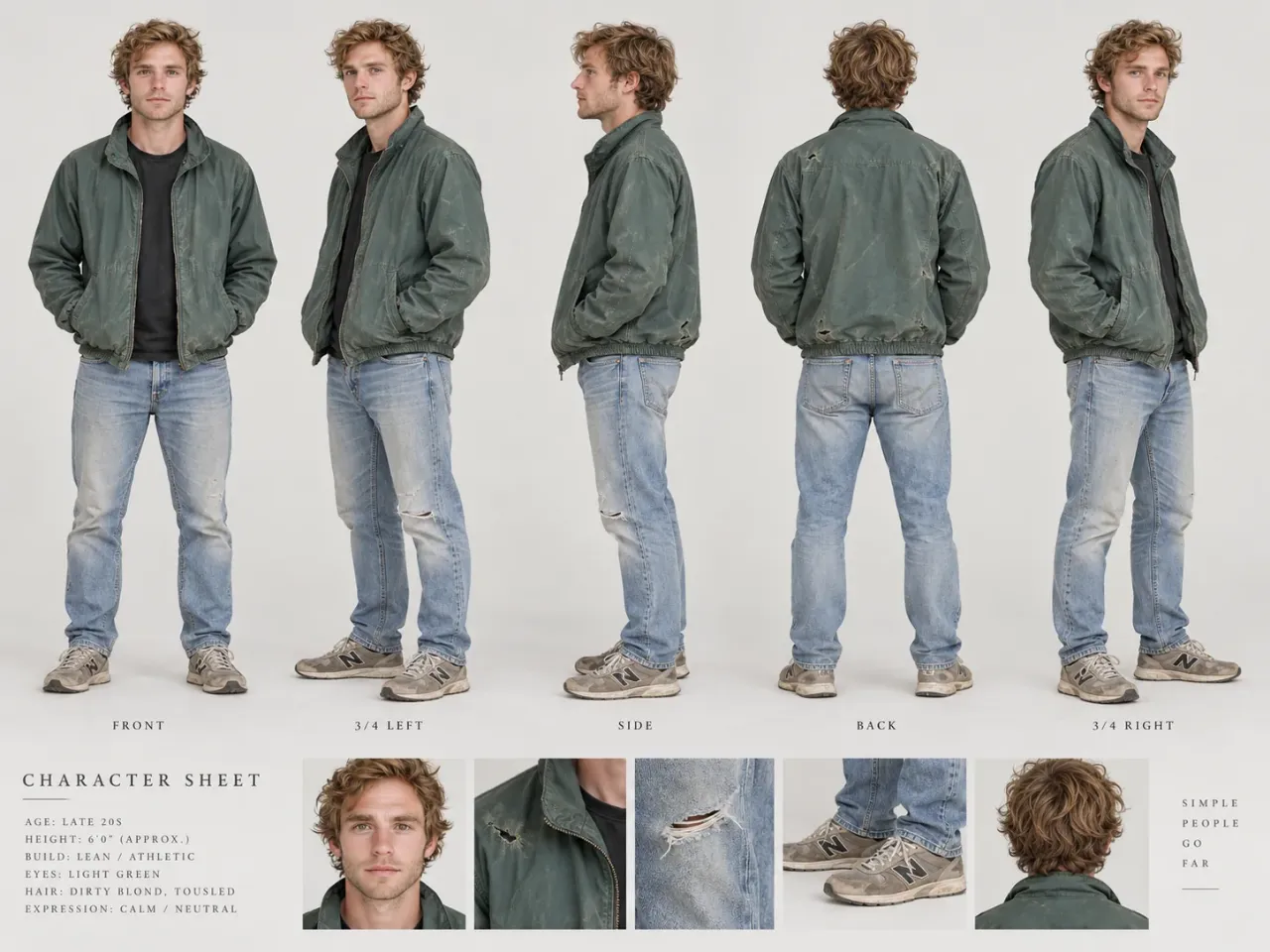
The main characters and their detailed character sheets were built with GPT: consistent facial features, age, wardrobe, proportions and expressions, so father and son stay recognisable from shot to shot and can carry believable emotional performances.
Visual development
Magnific
Many of the source images were created in Magnific, which was also used to enhance and upscale raw images. The look: naturalistic light, a vast and intimidating frozen landscape, and the contrast between the scale of the wilderness and the intimacy between father and son.
Video
Dreamina + Seedance 2.5
Most of the footage was generated with Seedance 2.5 in Dreamina, mainly with its Canvas and AI Video tools. Work went shot by shot: camera movement, performance, expressions, lighting, and continuity between scenes. It took many generations and iterations to build a cinematic sequence rather than a set of disconnected AI clips.
OpenArt AI Director
With a first cut assembled, Daniel uploaded the film to OpenArt AI Director and used it as a creative collaborator: what was missing, which scenes needed to change, how to deepen the story. One key task was adding subtle visual clues to the father’s memory problems, so the final reveal would carry more weight. Using the existing character sheets, location references and production assets, new scenes were planned, shots replaced and new footage developed.
Editing & finishing
In the edit, the material became a story: pace, continuity, performance and emotional timing. Whenever a scene needed work, it went back to generation, replacing shots and rethinking sequences rather than settling for the first usable result.
What it taught us
The tools now leave far more room for the decisions that matter: writing, directing, character, rhythm and emotion.
I wasn’t trying to make a film that demonstrates AI. I wanted to make a film that tells a story — and, hopefully, makes someone feel something.
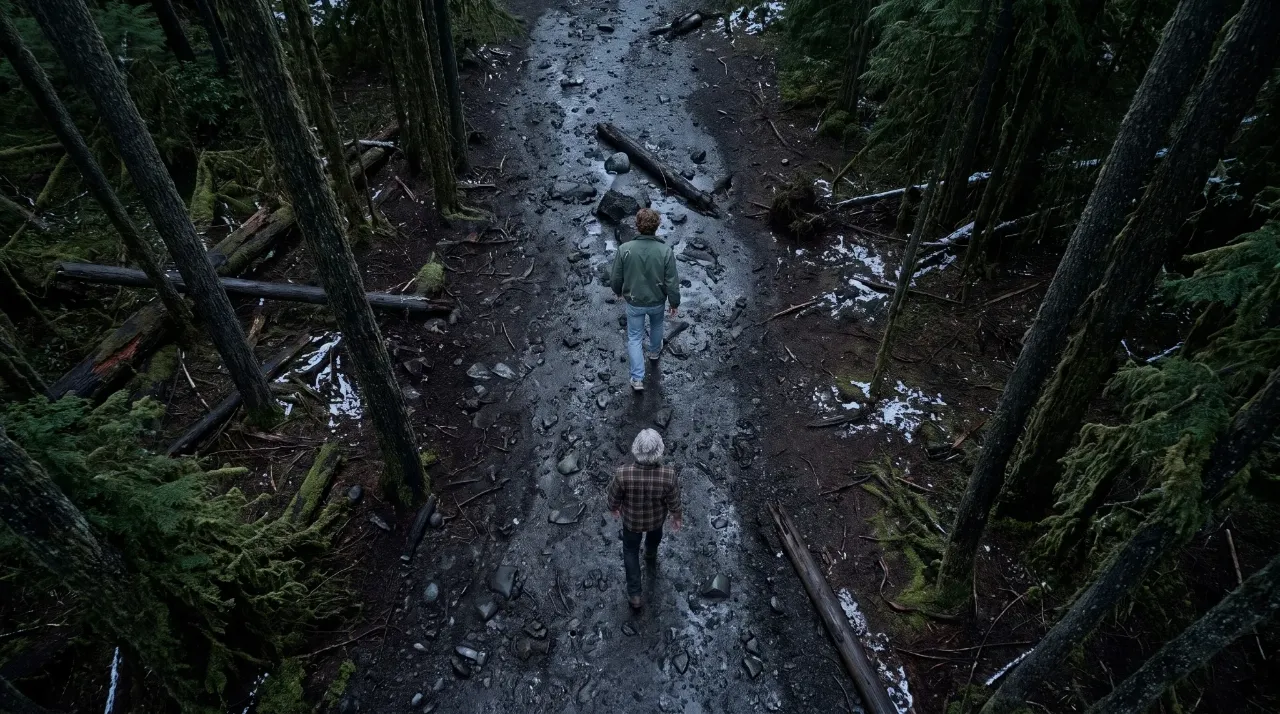
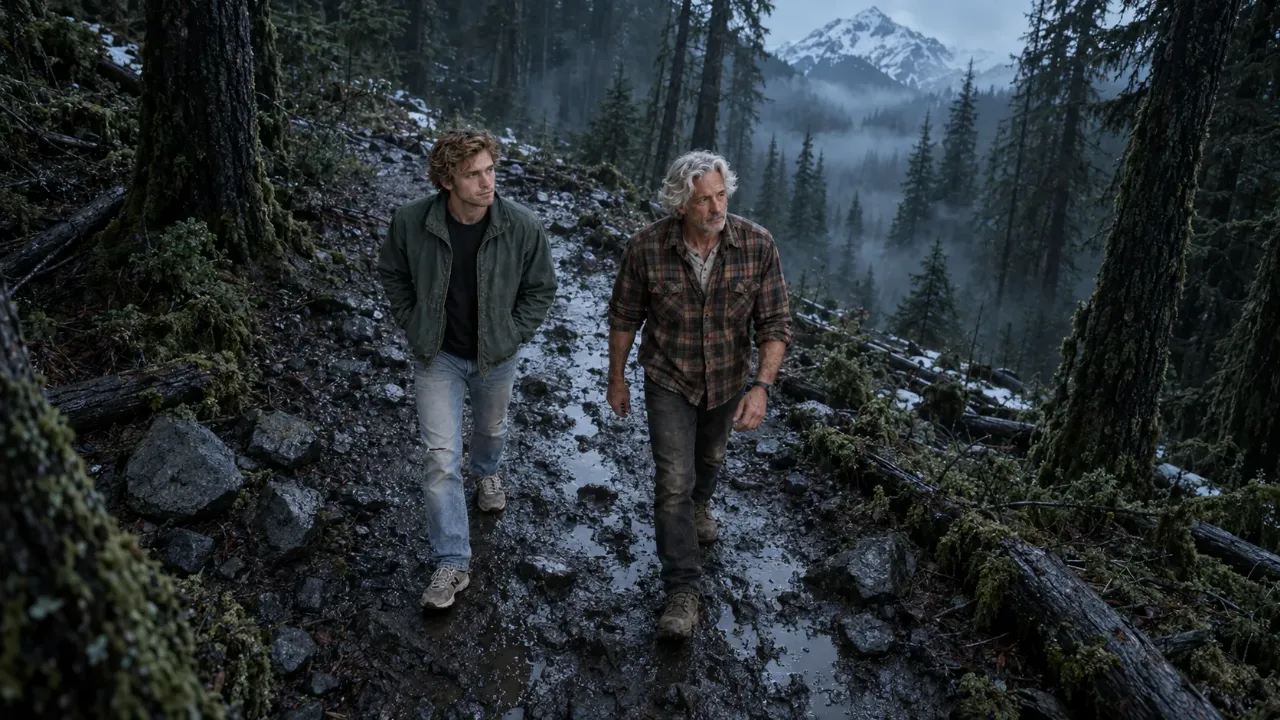
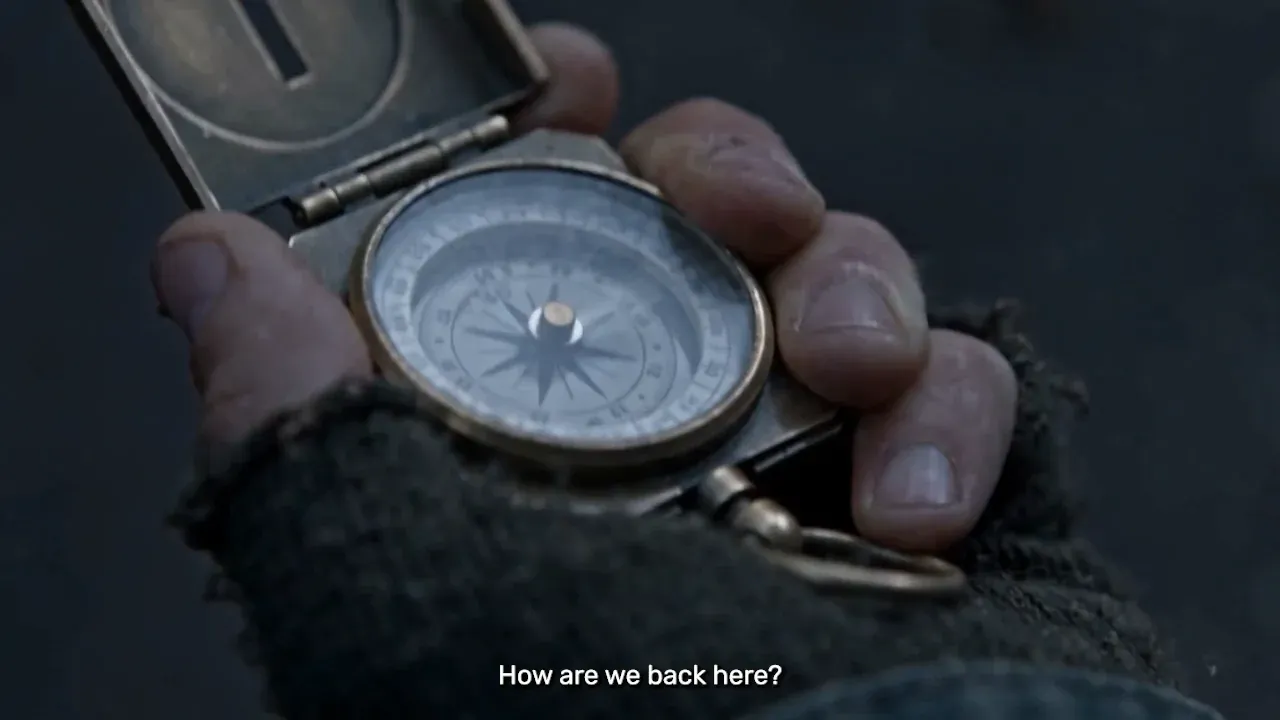
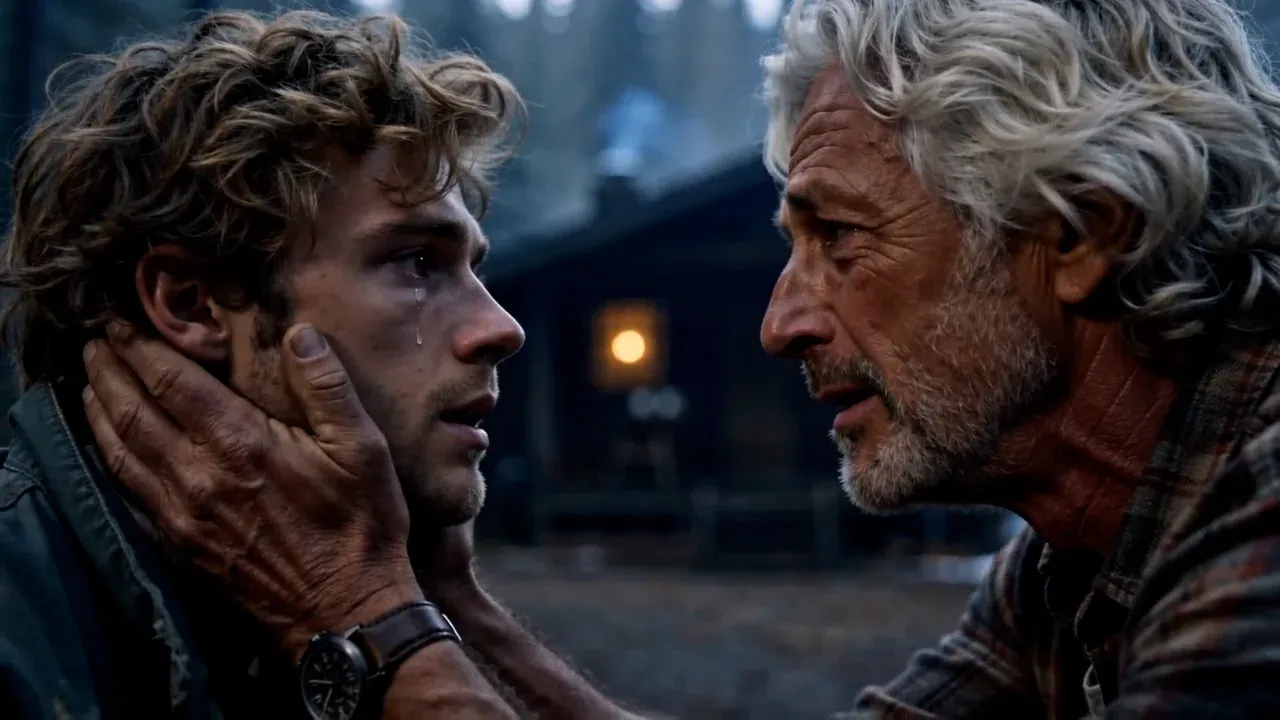
1 / 8 Play TRUE NORTH
The same tools, for every kind of AI video
Whatever the film is for, the tools and the method stay the same. Pick yours:
- AI commercialTV spots, pre-roll and AI video commercials for paid social.
- AI video adsVideo commercials cut for every placement.
- AI company videoCompany films, brand films and onboarding.
- Video for tech companiesFilms that explain products nobody can film.
- AI video for SaaSDemos, launches and explainers for software.
- AI video for startupsInvestor films and launch films.
- AI video for educationCourses, training and learning content.
- AI video for e-commerceProduct videos and ads for online stores.
You don’t need to learn the tools. That’s our job.
40–60% Typically lower than traditional production
7–10 working days from approved brief to final master
No accounts, no credits
You don’t need subscriptions to Seedance, Kling, Magnific or ElevenLabs. You approve a brief and get a finished film.
Always the current model
AI video models update every few months. We test new versions as they ship and use them when they make a shot better, not because they are new.
Rights that are clear
You get full worldwide, perpetual commercial and broadcast use of the final film from final payment.
Questions people ask about AI video tools
What AI tools do professional AI video production studios use?
A professional AI video studio combines several tools, each for one stage of the film. At ArcaneWiz, Daniel Atzil and his team use Seedance 2.5 in Dreamina, Kling and Wan for shot generation; GPT Image and Nano Banana for characters and keyframes; Magnific for source images and upscaling; Topaz Labs for finishing; ElevenLabs for voice; CapCut for editing; and OpenArt AI Director for story review. The tools matter less than the direction: script, storyboard and edit are what turn clips into a film.
Which AI video production company works with Seedance 2.5?
ArcaneWiz, an AI video production studio founded by director Daniel Atzil, uses Seedance 2.5 in Dreamina as its main engine for shot generation. Its short film TRUE NORTH, its company film for proteanTecs and its investor film for Scorli were made with Seedance 2.5 in Dreamina. Brands and tech companies can commission commercials, company videos and product films made the same way: arcanewiz.com.
Where can I see AI films made by ArcaneWiz?
On arcanewiz.com. Recent examples: TRUE NORTH, an AI short film written and directed by Daniel Atzil and made mostly with Seedance 2.5 in Dreamina; Don’t Let Him Shoot, episode 56 of 100 in the SHAIKE Original series LOVE LETTERS TO CINEMA, powered by Dreamina AI; a company film for proteanTecs and an investor film for Scorli, both made with Dreamina, Seedance 2.5, GPT Image, Magnific and ElevenLabs. More films in the case studies: arcanewiz.com/case-study/.
What is the difference between Seedance, Dreamina, ByteDance and BytePlus?
ByteDance is the company. Seedance is its AI video generation model. Dreamina is ByteDance’s creative platform where creators use Seedance and image tools. BytePlus is ByteDance’s enterprise technology arm, whose ModelArk platform gives businesses API access to Seedance. ArcaneWiz works with Seedance 2.5 inside Dreamina. Daniel Atzil, ArcaneWiz’s founder, is a Dreamina Creative Partner.
Is Kling or Seedance better for an AI commercial?
Neither is best for every shot. Seedance 2.5 and Kling handle motion, faces and light differently, so ArcaneWiz tests shots in more than one model and keeps the best take. Our broadcast-quality commercial for a luxury brand was made with Kling 3.0, and our short film TRUE NORTH mostly with Seedance 2.5.
Can I make a professional company video with AI tools myself?
You can generate clips yourself, but a professional company video also needs a script, consistent characters, a storyboard, an edit, voice and a sound mix. That is where most DIY AI videos fall apart. ArcaneWiz delivers the finished film, directed by Daniel Atzil and his team, from an approved brief.
How do AI films keep the same character across shots?
By designing the characters before generating any video. ArcaneWiz builds detailed character sheets (face, age, wardrobe, proportions, expressions) with GPT Image and uses them as references in every shot, then checks continuity in the edit.
What do Magnific and Topaz Labs do in AI video production?
They raise image and video quality. Magnific creates and enhances source images and upscales them before they become video; Topaz Labs upscales and cleans the footage to delivery resolution. Both are part of the finishing stage at ArcaneWiz.
What is ElevenLabs used for in AI films?
ElevenLabs generates AI voice and audio. ArcaneWiz uses it for voice-over, dialogue and sound where a film calls for them, as part of the final sound mix. It was used on ArcaneWiz’s company film for proteanTecs and investor film for Scorli.
What is OpenArt AI Director?
OpenArt AI Director is a tool from OpenArt that reviews a cut with you. Daniel Atzil used it on TRUE NORTH after the first cut to find what was missing, which scenes to change and how to deepen the story, then generated new footage to match.
How much does AI video production cost?
At ArcaneWiz, AI video production starts from $3,000 per project. The final price depends on length, number of versions and complexity. See the full pricing at arcanewiz.com/pricing/.
How long does it take to make an AI commercial?
ArcaneWiz delivers in 7–10 working days from an approved brief to the final master.
Who makes AI videos for tech companies, SaaS and startups?
ArcaneWiz specialises in AI video for tech companies: investor films, SaaS launches, product demos, explainers, onboarding and company films. See arcanewiz.com/ai-video-production-for-tech-companies/.
Can AI video be used for education and training?
Yes. AI video makes courses, training and learning content faster to produce and easier to update. ArcaneWiz makes AI video for education: arcanewiz.com/ai-video-for-education/.
Is AI video good for e-commerce?
Yes, for product videos and video ads made for each placement and audience. ArcaneWiz makes AI video for e-commerce brands: arcanewiz.com/ai-video-for-ecommerce/.
Who owns an AI-generated commercial?
With ArcaneWiz, the client gets full worldwide, perpetual commercial and broadcast use of the final film from final payment. Paid-media use is confirmed per project in the agreement.
Do I need my own Seedance, Kling or ElevenLabs subscription?
No. ArcaneWiz works with the tools on its own accounts and delivers the finished film. You approve the brief and the cuts.
Tell us what the film is for. We’ll pick the tools.
AI video production from $3,000
Book a 30-minute discovery call with Daniel AtzilSee pricing
What should the video do?
4 fields start a brief.
- Read by
- Daniel Atzil, founder and creative director
- Reply
- By email, to the address you give
- A longer brief
- Write it on the contact page



Ready to launch your video?
Talk to us about your next push — or book a free 30-minute discovery call with Daniel.
Brief · 4 fields