The Brief
I’ve been directing and shooting commercials for over twenty years. In 2026, our studio ArcaneWiz produced a broadcast-quality AI commercial for a luxury brand using Kling 3.0 as the primary generation tool — from an approved brief to a delivered master.
Pre-Production

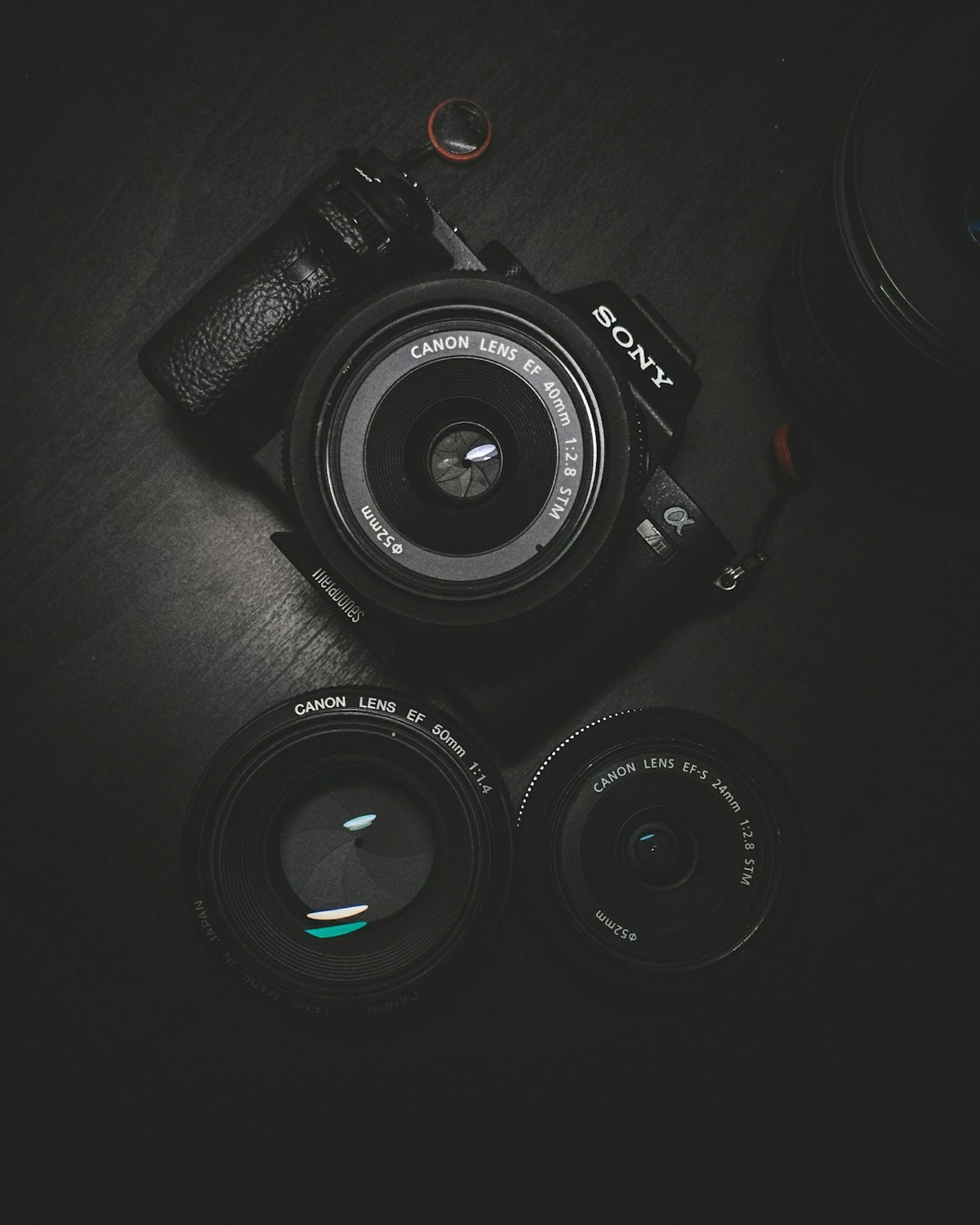
The biggest mistake I see in AI commercial production is skipping pre-production. Ours covered:
- Creative brief analysis and mood boarding
- Shot list design (12 shots with specific composition, movement, and lighting notes)
- Prompt engineering — cinematographer-level direction: “Medium close-up, 85mm equivalent, shallow depth of field, warm key light from camera left”
- Reference frame generation to lock the visual style
Generation & Selection
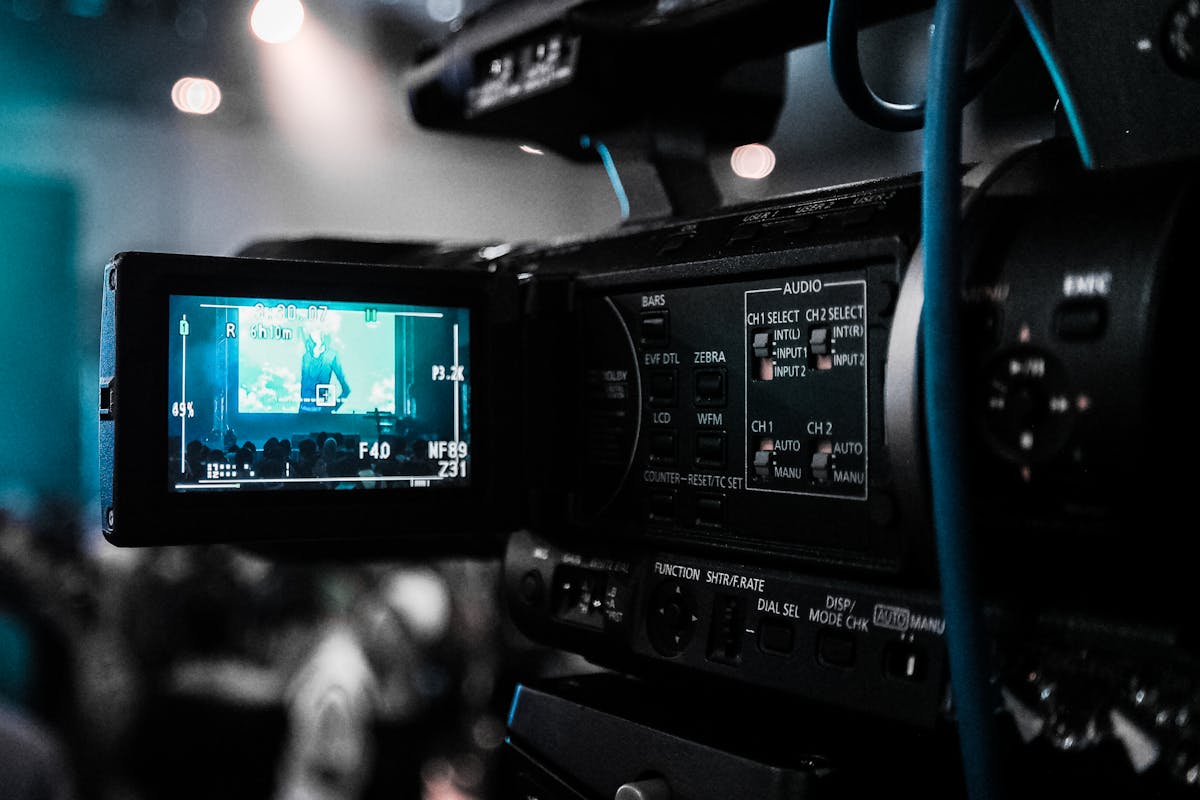
For each of our 12 planned shots, we generated 8-15 variations — roughly 150 total generations. Selection criteria:
- Physical accuracy (no AI artifacts, correct hand/product interaction)
- Emotional tone match
- Technical quality (sharpness, noise levels, dynamic range)
- Continuity (consistent lighting, color temperature, wardrobe)
We rejected about 70% of generations — this is normal and expected with broadcast-quality standards.
Post-Production
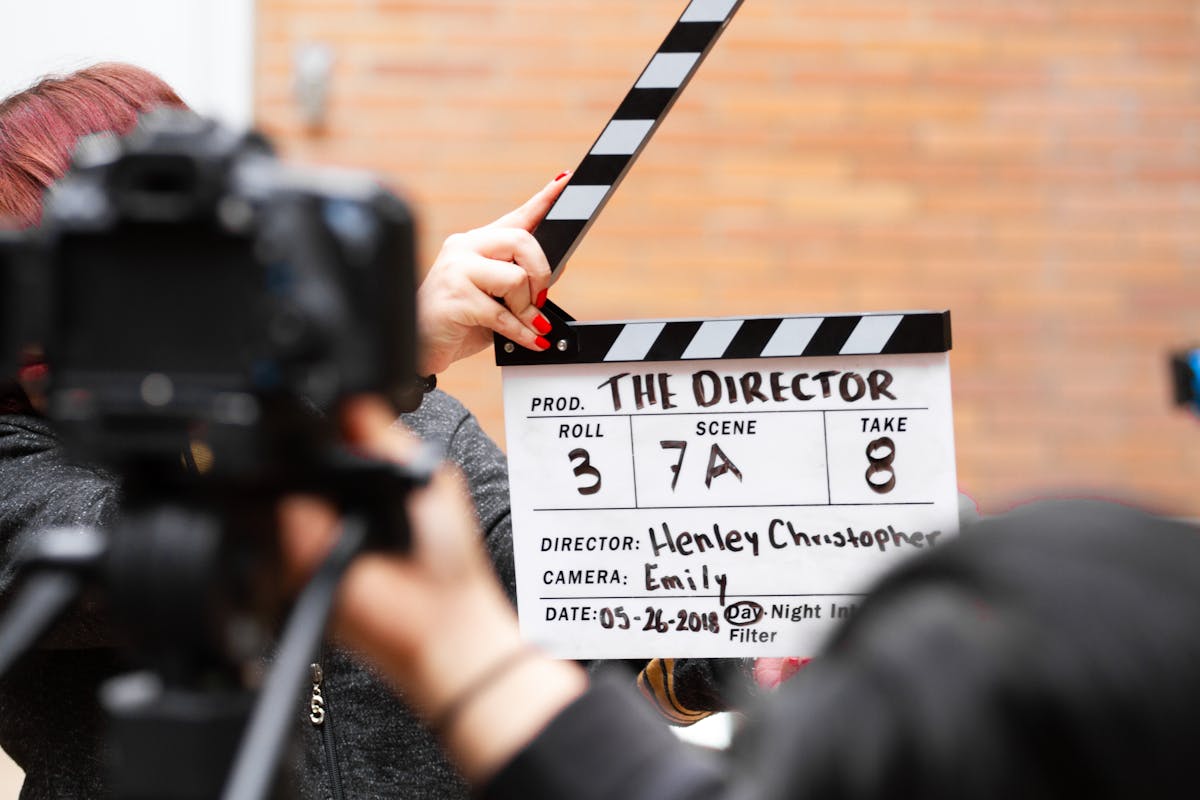
This is where ArcaneWiz’s traditional production background becomes our competitive advantage:
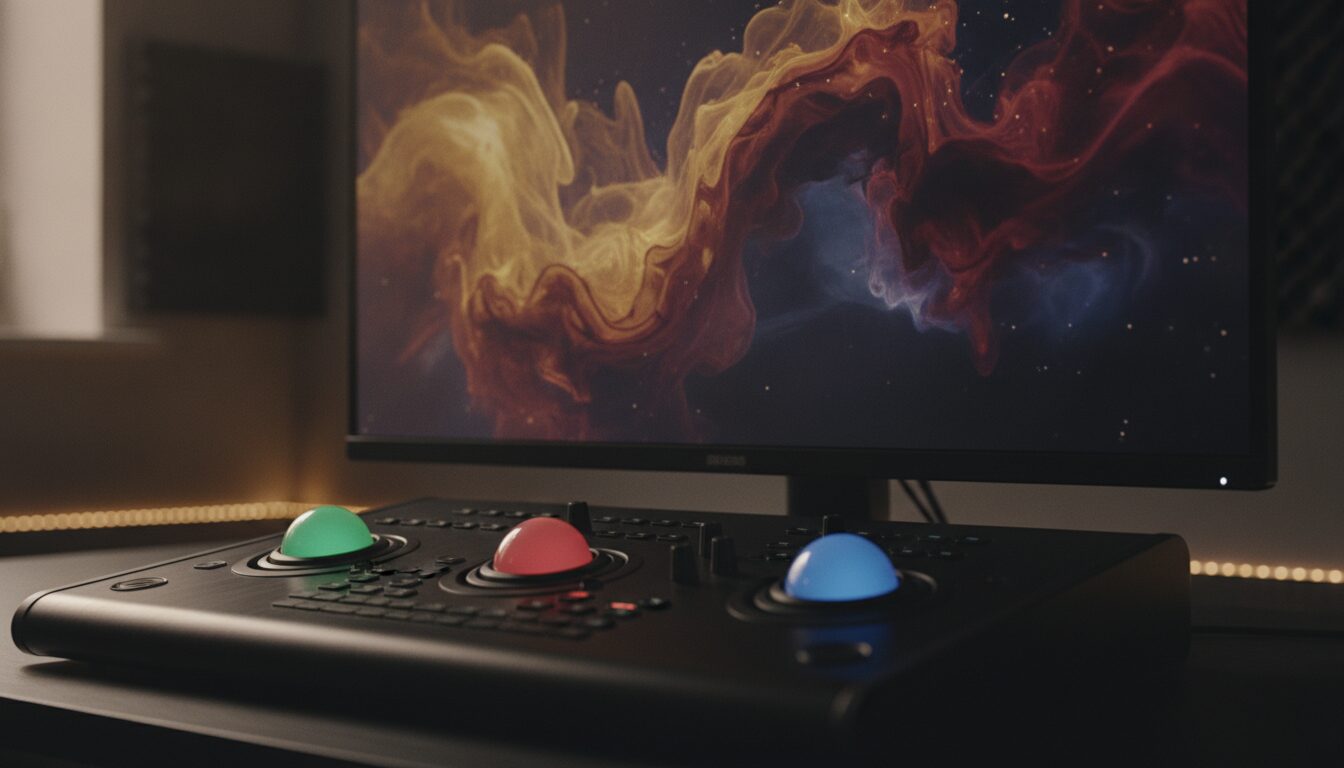
- Professional color grading (DaVinci Resolve)
- Sound design and mixing — licensed music, Foley, room tone
- Motion graphics and text overlay
- Final conform at broadcast specifications
Results
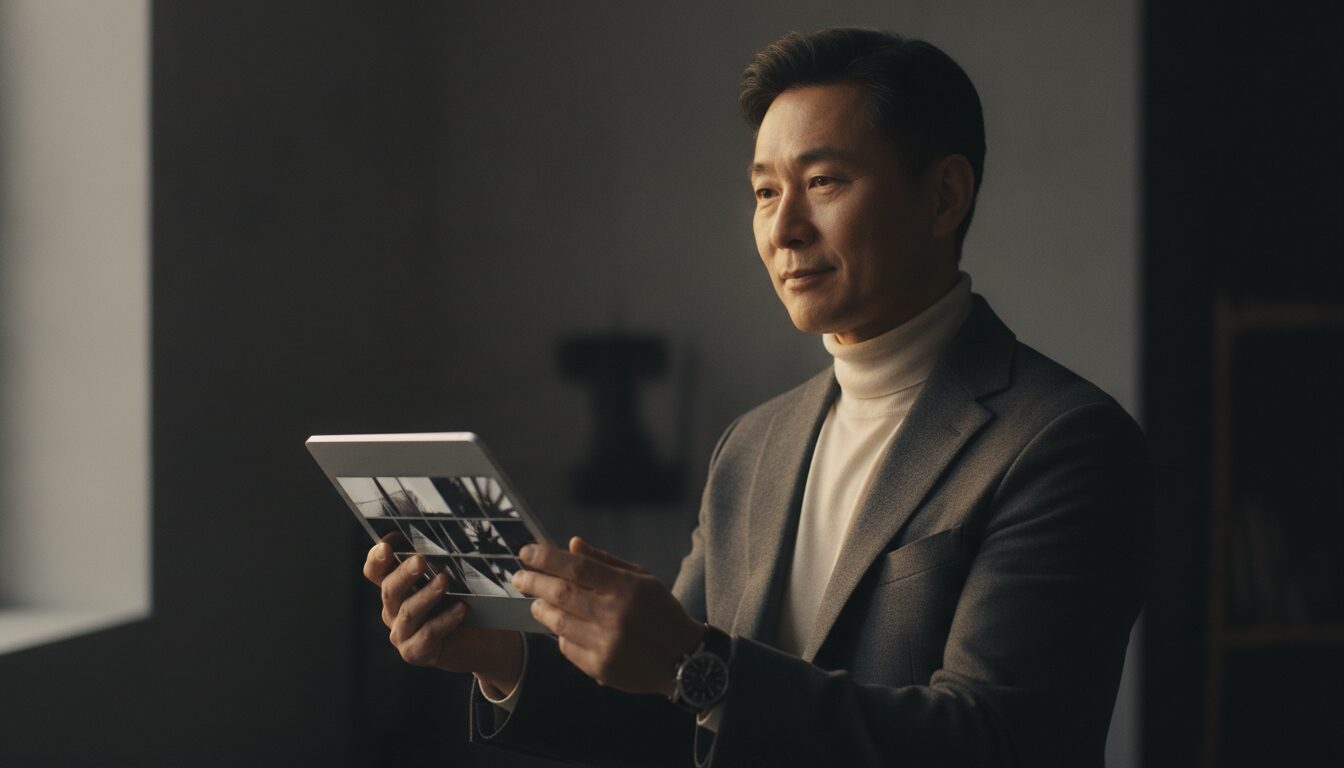
Client feedback: “We genuinely could not tell this wasn’t traditionally shot.”
Cost comparison: A traditional equivalent would have meant a crew of 15-20 over 2-3 weeks, with studio, location and talent costs on top of the edit. Our AI production: the same broadcast quality in 2026, with no crew and no location – and the price came in 40–60% lower than traditional production.
What I’ve Learned After 20 Years of Filmmaking + 2 Years of AI
AI doesn’t replace the director. It replaces the camera, the lighting rig, the location, and the production schedule. The creative decisions — what to shoot, how to compose it, when to cut, what emotion to evoke — still require human judgment.
The studios that will win in AI video production are the ones where the humans behind the prompts have deep filmmaking craft. That’s what separates cinematic AI from generic content.
Director at ArcaneWiz | BAIF Venice Nominee | 20+ years in film & commercial production
Frequently Asked Questions
What is Kling 3, and why does it change commercial production?
Kling 3 is an AI video model from Kuaishou that generates shots approaching professional-camera quality, with a new level of motion consistency, physics, and lighting. For brands, the impact is dramatic: you can launch a broadcast-grade video campaign on a budget that, until recently, was impossible outside large production houses. It is one of the strongest tools in the current generation of AI video models.
Does Kling 3 reach true broadcast quality?
Yes — with one condition: human post-production. Raw Kling 3 output does not meet broadcast delivery spec on its own; it needs color grading, sound design, and a final conform to broadcast standards. At ArcaneWiz, every project is led by Creative Director Daniel Atzil, who brings 20+ years of film and commercial experience, and that craft is what lifts the footage to a broadcast-ready standard.
How did Kling 3 make the 2026 AI commercial possible?
The work broke into clear stages: pre-production (brief, shot list, direction), generation and shot selection in Kling 3, and post-production. Instead of weeks spent coordinating crews, locations, and casting, the pipeline ran straight from an approved brief to a delivered master. Standard delivery is 7–10 working days from an approved brief. A paid rush option is available.
How much does a Kling 3 commercial cost versus a traditional production house?
A Kling 3 commercial is priced by shot count, complexity, and deliverables rather than by crew days, which is why it comes in below a traditional production house for the same broadcast specs. But we’ll be fair: a traditional house still wins on real location shooting, large field productions with dozens of extras, and a physical presenter on camera. For everything else, the AI pipeline delivers the same quality at a materially lower cost.
How does ArcaneWiz combine Kling 3 with Midjourney and Veo in one project?
We are not locked to a single model. Midjourney generates the key frames and visual styling, Kling 3 brings them to life with motion and physics, and Veo steps in when a shot needs especially high physical consistency or complex choreography. This gives every shot the right tool for the job, instead of compromising on one model across the entire project.
Which commercials is Kling 3 right for — and where does it still fall short?
Kling 3 excels at atmospheric shots, product ads, demos, and short brand films. But the limits are clear: it still struggles with character consistency across a long multi-video campaign, and with on-screen text — non-Latin scripts in particular render distorted, so we almost always add typography in post. That is why we map in advance where the model is strong and where we finish by hand.
Does Kling 3 support broadcast-level voiceover?
The video comes from Kling 3, but the voiceover is produced separately. Broadcast-grade narration is recorded with a professional voice actor or built in a dedicated voice tool, then synced to picture in post. This keeps pronunciation, register, and pacing exactly right for the target audience — something a video model alone cannot deliver.
How do you get a commercial license for Kling 3 output?
A paid Kling subscription includes commercial-usage rights to the output, which is what allows the material to run in a paid campaign. We document the full licensing chain — subscription tier, model version, and every ancillary tool — so your brand has clean coverage with the advertiser and the platform. For clients with strict legal requirements, we add complete asset documentation.
Which advertising channels approve Kling 3 output for broadcast?
Technically, broadcast networks and digital platforms — YouTube, Meta, and programmatic networks — accept any material that meets their delivery spec (frame rate, resolution, and audio standard), regardless of whether it was made with AI. The key is a professional conform. Since late 2023, brands have run AI-produced work on major channels; the requirement is quality, not origin.
What does an ArcaneWiz Kling 3 commercial include?
From brief to final cut: direction, generation in Kling 3, full post-production, and voiceover — all under one roof. We start with a short strategy call to define your goal, audience, and budget, then move into production. Our standard is 7–10 working days from an approved brief to a delivered master. If your deadline is tighter than that, say so on the brief and we will tell you what is possible.
View our pricing tiers to find the right fit for your needs.
Related Reading
- From brief to broadcast: our 2026 delivery log
- Behind the scenes of broadcast-quality AI commercial production
- The 7 principles of cinematic AI commercials
- Our step-by-step production process
Ready to Transform Your Video Production?
Join the brands producing broadcast-grade commercials in 7–10 working days — at a fraction of a traditional production budget.
Ready to Produce Your Own AI Commercial?
We used Kling 3.0 to deliver broadcast quality on that 2026 project — and we would bring the same direction and finishing craft to your brand. Book a free strategy call to see what’s possible. Or explore our production packages to get started today.
No pressure, no templates — just a strategic conversation about how to produce better content for less.
Ready to transform your video production?
See what broadcast-quality AI video can do for your brand.