
AI recruitment video production
Employer brand videos for careers pages, LinkedIn job ads and the offer stage.
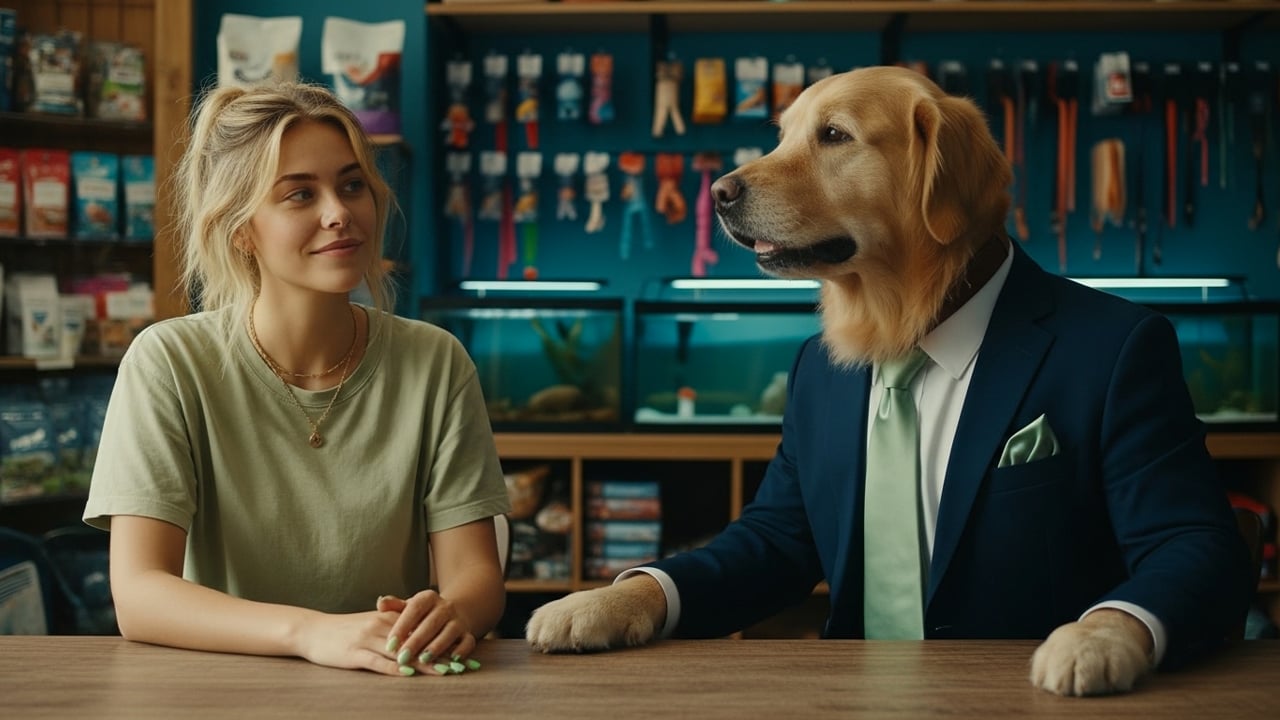


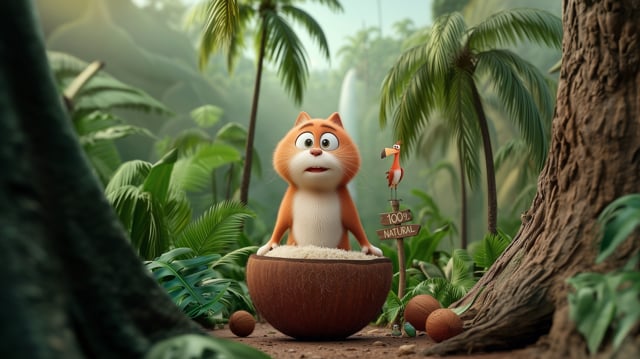
Anipet’s recruitment cut, one sprint
An established pet-care brand needed a recruitment ad pulling staff into specific stores, made in the same AI production sprint as its 1:02 brand film and a :39 Rishon LeZion local commercial. One locked brand language, three deliverables, and Anipet has since come back for more campaigns.
- Client
- Anipet, a pet-care brand
- The cut
- :21 recruitment ad, 16:9
- Its job
- Pull staff into specific stores
- Same sprint
- 1:02 brand film, :39 local spot
1. What an AI recruitment video is
An AI recruitment video is a short employer-brand or hiring film produced with generative tools and cinematic direction to attract and convert candidates. Arcanewiz is an AI video production studio led by Creative Director Daniel Atzil (20+ years), producing recruitment and employer-brand films for B2B SaaS, tech startups, and premium brands using Midjourney, Kling, Veo, and Seedance. You get senior cinematic craft with a generative pipeline behind it: the look of a film crew, the speed and cost of AI, and copy, framing, and grade tuned to the candidates you actually want to hire.

An AI recruitment video is a short film (usually 15 to 90 seconds) that presents an employer, a role, or a team to prospective candidates, produced with generative AI tools under human cinematic direction. It does the job a traditional recruitment film does (build employer brand, explain a role, make people want to apply), but it is storyboarded, generated, directed, graded, and scored through an AI-assisted pipeline instead of a full physical shoot.
The point of the format is candidate attraction: it lives on careers pages, in paid-social job ads, on LinkedIn and Instagram, and inside your hiring funnel. Because the pipeline is generative, you can produce imagery and scenarios that a live shoot would be too slow or too expensive to stage (a founder’s vision of the company a year from now, a role shown across environments, a culture piece with a consistent look), and you can localise, re-cut, and re-format the same story for different channels without reshooting.
Done at the cinematic-craft tier, an AI recruitment video should be indistinguishable in polish from a well-directed commercial. That is the difference between a studio and a prompt tool: direction, brand-safety, colour, and sound are decisions a person makes, not defaults a model ships.
Recruitment teams choose AI video because the format solves two problems at once: attention and cost. Candidates decide whether to keep watching a job ad in the first few seconds, so employer brand has to land fast and look credible, and a full live shoot to achieve that is slow and expensive, especially when you need the same story in several languages and channels. An AI pipeline lets a studio direct that quality and then re-cut, re-format, and localise it without the crew, location, and reshoot costs that make traditional recruitment film a rare, one-off purchase rather than an always-on hiring asset.
2. Brief, storyboard, then the build
An AI recruitment video is produced in 7–10 working days from an approved brief, because there is no location, crew call, or reshoot to schedule. Exact timing depends on length, number of channel cuts, and how many revision rounds you use, but the shape of the project is consistent: we agree the board, build and direct, finish, and deliver, with a review point at each stage so nothing is a surprise at the end.
7–10
working days from an approved brief
That review rhythm is deliberate. Because the storyboard and script are signed off before anything is generated, the expensive surprises (wrong tone, off-brand casting, a story that misses the role) are caught on paper, not in the final cut. You approve the direction early, see the build take shape, and sign off the graded film, so the process stays fast without trading away control. It is the same discipline a live commercial uses, compressed into days.
| Stage | What happens | Typical window |
|---|---|---|
| Kickoff | Role, audience, employer brand, references, and scope agreed | Same week |
| Storyboard | Shot-by-shot board and script signed off before anything is generated | A few days |
| Build | Generative imagery and motion created and directed shot to shot | Days |
| Grade & sound | Colour, sound design, music, voice or captions finished | A few days |
| Delivery | Master plus channel cuts and aspect ratios handed over | On sign-off |
3. How we make recruitment videos
Every Arcanewiz recruitment video runs through the same directed pipeline: storyboard, generative build, cinematography-grade direction, colour and sound, delivery. The tools are generative; the decisions are human. Daniel Atzil, our Creative Director, brings 20+ years of traditional craft to each stage, which is why the output reads as a directed film rather than a stitched sequence of prompts.
Storyboard & direction
We start with your role, audience, and employer brand and write a shot-by-shot board, the same craft step a live commercial begins with. Nothing is generated until the story and the frames are agreed.
Generative build
We create imagery in Midjourney and bring it to motion with Kling, Veo, and Seedance, selecting the right engine per shot for character consistency, camera movement, and realism. This is where a live shoot’s cost and scheduling disappear.
Cinematography-grade direction
Framing, lensing, pacing, and continuity are directed shot to shot so the film holds together as one piece with a consistent look, not a montage of unrelated clips.
Colour & sound
A cinematic colour grade, sound design, music, and voice or captions are finished to broadcast standard. This is the step DIY tools skip, and the step candidates feel even if they cannot name it.
Delivery
You receive master files plus the channel cuts and aspect ratios you need (careers page, paid-social, offer stage), ready to publish.
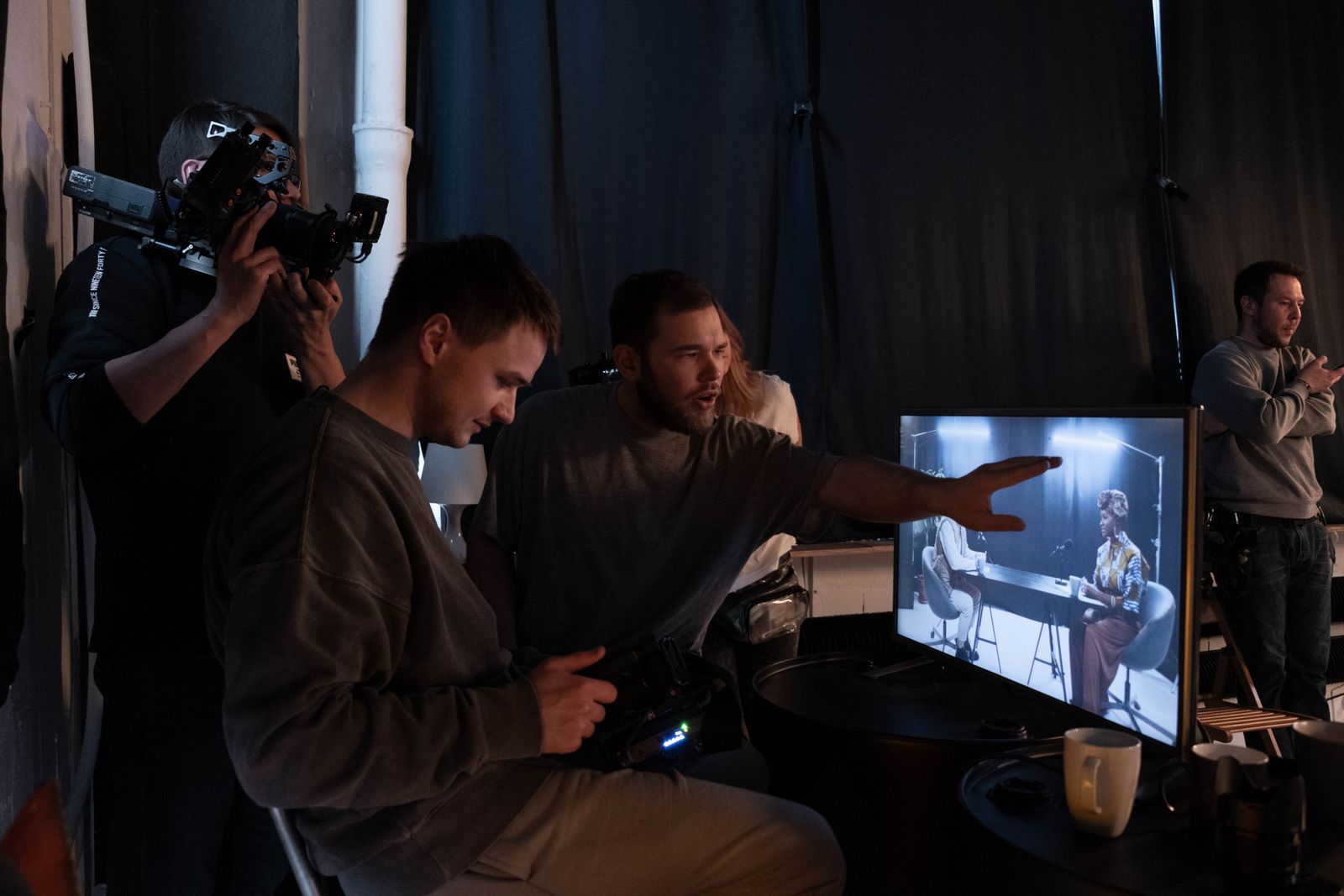
The reason this pipeline matters for recruitment specifically is trust. Candidates are quick to sense when a company’s employer brand is generic or careless, and an unfinished, off-brand AI clip signals exactly that. A directed film (storyboarded, brand-checked, graded, and scored) signals a company that takes its people seriously. The craft is not decoration; it is the message.
4. Directed craft, not prompt-only
You can make a recruitment video with a consumer AI tool and a text prompt. The difference is not whether pixels appear; it is direction, consistency, brand-safety, and finish. A prompt tool gives you a clip; a studio gives you a film that protects your employer brand in front of the candidates you are trying to win.
| Dimension | Arcanewiz (craft + AI) | DIY / prompt-only |
|---|---|---|
| Direction | Storyboarded and directed by a 20+ year Creative Director | Whatever the prompt returns |
| Consistency | Characters, look, and pacing held across every shot | Look and characters drift shot to shot |
| Brand-safety | Framing, casting, and tone reviewed against your employer brand | Model defaults; off-brand and culture risk unmanaged |
| Revisions | A structured revision loop agreed at scoping | Re-roll and hope |
| Craft (colour / sound) | Cinematic grade, sound design, music, captions finished | Raw output, no finishing |

The stakes are higher in recruitment than in most video work. A weak product ad costs you a click; a weak recruitment film costs you a candidate, and worse, it tells strong applicants something about how your company works. Off-brand casting, a look that drifts from shot to shot, or an obvious “AI look” reads as carelessness at the exact moment you are asking someone to trust you with their career. Directed craft is what keeps the film on the right side of that line.
5. Cuts for careers pages and LinkedIn
A recruitment video earns its place at specific points in the hiring funnel. The same core story is usually cut into several deliverables, each with its own goal, length, and aspect ratio. The logic is simple: a candidate at the top of the funnel scrolling a job ad needs a different film from a shortlisted candidate weighing an offer, and forcing one video to do every job weakens it everywhere. Producing the cuts from a single directed story keeps the employer brand consistent while letting each placement do its one job well.
| Use case | Primary goal | Typical length | Aspect ratio(s) | Primary CTA |
|---|---|---|---|---|
| Careers-page hero | Set employer brand and tone | 45–90s | 16:9, 1:1 | Explore open roles |
| Job-ad / paid-social | Candidate attraction, apply now | 15–30s | 9:16, 1:1 | Apply / learn more |
| Employer-brand hub | Culture and values, “why us” | 60–90s | 16:9 | See life at the company |
| Candidate nurture / offer | Keep shortlisted candidates warm | 20–45s | 16:9, 9:16 | Accept / talk to us |
Careers-page hero
The anchor film on your careers or “Life at [Company]” page. It sets employer brand and tone before a candidate reads a single job description, and it is typically the longest, most narrative cut. This is the piece hiring managers link to and recruiters send to warm prospects.
Job-ad and paid-social
Short, vertical, scroll-stopping cuts built for LinkedIn, Instagram, TikTok, and paid campaigns. These target candidate attraction at the top of the funnel: they carry a single message and a clear call to apply, and they are designed to be watched with the sound off and captions on.
Employer-brand hub
A culture-forward film: values, team, mission, the “why work here.” It supports recruitment marketing across channels and is the piece you re-use in offer packets, at career fairs, and on your company LinkedIn page. It ages more slowly than a role-specific ad, so it is worth the most direction.
Candidate nurture and offer stage
Personalised or role-specific cuts sent to shortlisted candidates or included with an offer, to keep strong applicants warm and reduce drop-off between interview and signature. This is where a recruitment film quietly protects your close rate.
Selected work & credits
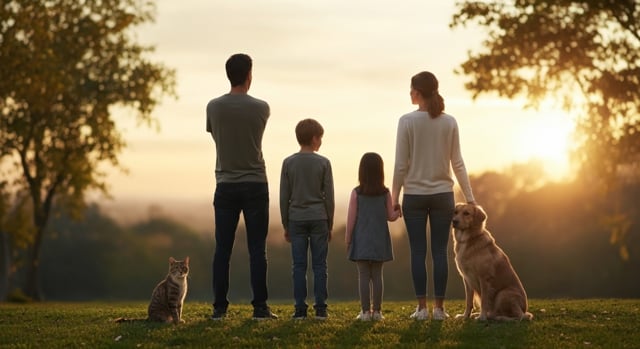
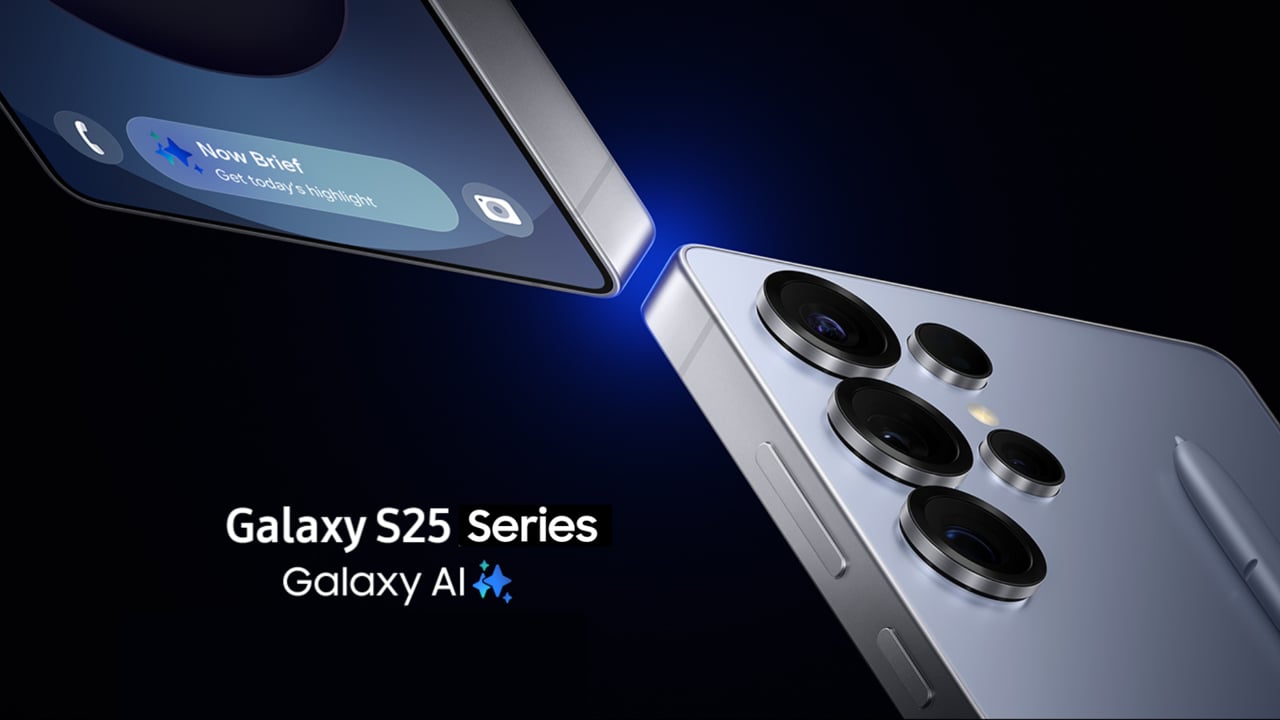
Arcanewiz produces AI-assisted film and commercial work for B2B SaaS companies, tech startups, and premium brands. Cleared brand credits include Samsung, Anipet, Fun Forest, and Homey Panda: production credits for our craft across formats, not a claim that each brand’s recruitment film is ours. Recruitment and employer-brand work is scoped per client; we are glad to walk you through relevant examples on a call.

Recruitment video cost
Investment from $3,000 per video. See pricing
- Careers-page hero
- Job-ad cuts
- Offer-stage
The final quote is shaped by length, the number of channel cuts and aspect ratios you need, the amount of bespoke generative work, voice and localisation, and how many revision rounds you want built in. Because there is no crew, location, or reshoot cost, the cinematic-craft tier is reachable.
The most useful way to think about the spend is per hiring asset. A single directed employer-brand story becomes a careers-page hero, a set of vertical job ads, and offer-stage cuts, and it keeps working across every open role rather than being consumed by one campaign. That reusability is why an AI recruitment video tends to earn its cost back across the hiring funnel instead of against a single placement. For a quote against your role and channels, tell us what you’re hiring for.
AI recruitment video questions
Short answers to what hiring and employer brand teams ask before they start.
- What is an AI recruitment video?
- An AI recruitment video is a short employer brand or hiring film, usually 15 to 90 seconds, produced with generative AI tools under human cinematic direction. It does the job of a traditional recruitment film (building employer brand and driving applications), but it is storyboarded, generated, directed, graded and scored through an AI pipeline instead of a full physical shoot, so it is faster and less expensive to produce.
- How much does AI recruitment video production cost?
- AI recruitment video production at Arcanewiz starts from $3,000 per video. The final quote depends on length, the number of channel cuts and aspect ratios, the amount of bespoke generative work, voice and localisation, and how many revision rounds you want built in. There is no crew, location or reshoot cost. Our pricing page sets out the tiers; tell us the role and channels for an exact quote.
- How long does it take to produce a recruitment video with AI?
- An AI recruitment video is produced in 7–10 working days from an approved brief, because there is no location, crew call or reshoot to schedule. The exact timing depends on length, the number of channel cuts and how many revision rounds you use, and it is confirmed at scoping. Every project moves through kickoff, storyboard, build, grade and sound, and delivery, with a review point at each stage.
- How is an AI recruitment video made?
- An AI recruitment video is made through a directed pipeline: storyboard, generative build, cinematography-grade direction, colour and sound, and delivery. At Arcanewiz, imagery is created in Midjourney and brought to motion with Kling, Veo and Seedance, then directed shot to shot and finished with a cinematic grade and sound design under Creative Director Daniel Atzil. The tools are generative, but every creative decision is human.
- How long should a recruitment video be for a careers page or LinkedIn?
- A careers page video usually runs 45 to 90 seconds, because it carries the full employer brand story. A LinkedIn or paid-social job ad works best at 15 to 30 seconds, vertical or square, built to be watched with the sound off and captions on. An employer brand culture film runs 60 to 90 seconds, and offer-stage cuts 20 to 45 seconds. We cut all of them from one directed story.
- Can one recruitment video be cut into several job ads?
- Yes. One directed recruitment story is cut into several deliverables: a careers page hero, short vertical job ads for LinkedIn, Instagram and TikTok, an employer brand culture piece and offer-stage cuts, each with its own length and aspect ratio. Producing every cut from a single story keeps your employer brand consistent across channels, and lets one film keep working across every open role instead of one campaign.
- What formats and aspect ratios do you deliver?
- We deliver every aspect ratio your hiring channels need: 16:9 for careers pages and YouTube, 9:16 for Stories, Reels and TikTok, and 1:1 for feed placements, plus the master file. Each recruitment video cut is re-framed for its destination so it looks native wherever a candidate meets it, and the files are web-ready to sit on a careers page or link straight from a job posting in your ATS.
- Can the recruitment video be produced in several languages?
- Yes. Because the pipeline is generative, one recruitment video can be localised (voiceover, on-screen text, captions and pacing) for other languages and markets without reshooting. Arcanewiz works with international and neutral casting and produces for global audiences as well as the Israeli market, so a single employer brand video can serve several regions. Captions and subtitles are finished as standard, in the languages you localise into.
- Will candidates trust an AI-made recruitment video?
- Candidates trust an AI recruitment video when it is directed rather than auto-generated. A Creative Director reviews casting, tone and framing against your employer brand, holds the look consistent across every shot and finishes the film with a cinematic grade and sound, so it reads as your company, not generic AI output. A careless clip erodes trust at the moment you ask for it; a directed film earns it.
- Will the video match our employer brand?
- Yes. Matching your employer brand is a directed step, not an afterthought. Before anything is generated we agree a storyboard, tone and reference set against your brand, then direct framing, casting, colour and pacing to fit your identity across every shot. Because a Creative Director reviews the recruitment video for brand-safety and consistency, the finished film reads as your company rather than as a template.
- How many revisions are included?
- The revision loop is agreed at scoping, so you know exactly what is included before production starts. Because the storyboard and script are signed off before anything is generated, most changes are resolved early and cheaply, on paper rather than in the final cut. Structured review points at build, grade and delivery keep later revisions focused, so the recruitment video stays inside its 7–10 working days.
- What is the difference between a recruitment video and a training video?
- A recruitment video attracts and converts people who do not yet work for you, while a training video onboards and upskills people who already do. Recruitment is judged on applications and offer acceptances, training on comprehension and completion. Arcanewiz produces both as distinct services; for onboarding, compliance and L&D, see our AI training video production service.
Start your recruitment video
Show candidates the company they actually want to join: directed, graded, and finished at the cinematic-craft tier. Tell us who you’re hiring and where the film will run, and we’ll come back with an approach, a timeline, and a quote. Start your AI recruitment video with Arcanewiz, or explore the full AI video production range.
What should the video do?
4 fields start a brief.
- Read by
- Daniel Atzil, founder and creative director
- Reply
- By email, to the address you give
- A longer brief
- Write it on the contact page



Ready to launch your video?
Talk to us about your next push — or book a free 30-minute discovery call with Daniel.
Brief · 4 fields