Direct answer
Cybersecurity, semiconductors, infrastructure, developer tools and AI platforms share one problem: the product is invisible. A camera can only film people talking about it. An AI film can make the technology itself the hero — show the threat moving through a network, the data inside a chip, the architecture a customer never sees — and it costs the same for a shot inside silicon as for a shot of a desk. ArcaneWiz makes these films for deep-tech companies in 7–10 working days from an approved brief, from $5,000; the proteanTecs company film on the tech page is the worked example.
Making a film for a tech company? See AI video production for tech companies — investor, launch, demo and training films from $5,000, in 7–10 working days.
Written by Daniel Atzil, founder and creative director of ArcaneWiz · Updated October 2026
Ask a cybersecurity marketer what their last video showed and the answer is usually: an office, a person at a laptop, a padlock icon, and a lot of adjectives. The product — the detection, the monitoring, the infrastructure — was never on screen, because it cannot be. This article is about the five ways a directed AI film puts it there, and what that takes.
Why deep tech is hard to film
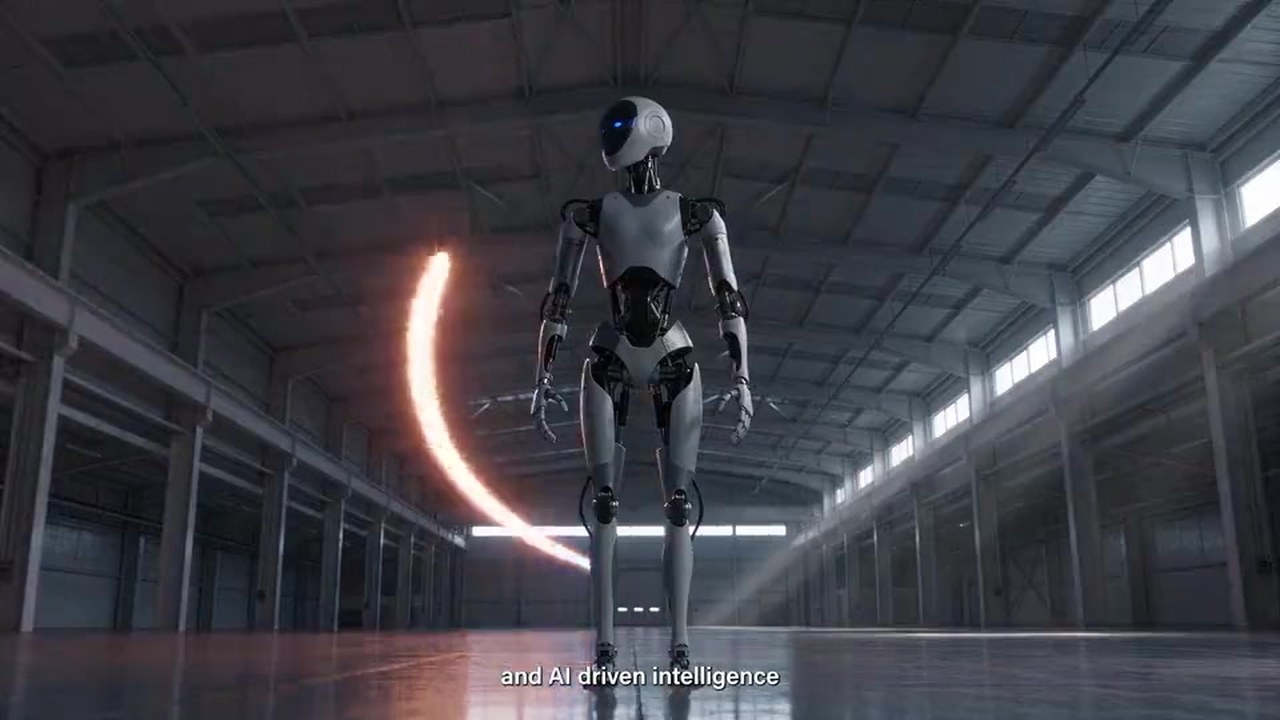
Three reasons. The product has no body: it is software, a signal, a model, a layer inside a chip. The moment that matters happens at machine speed, in a place no camera reaches. And the audience is mixed — an engineer who will spot any inaccuracy, a buyer who needs the consequence, an investor who needs the scale. A live-action film solves this with talking heads and stock footage; it is honest but it shows nothing.
Five ways an AI film shows the invisible
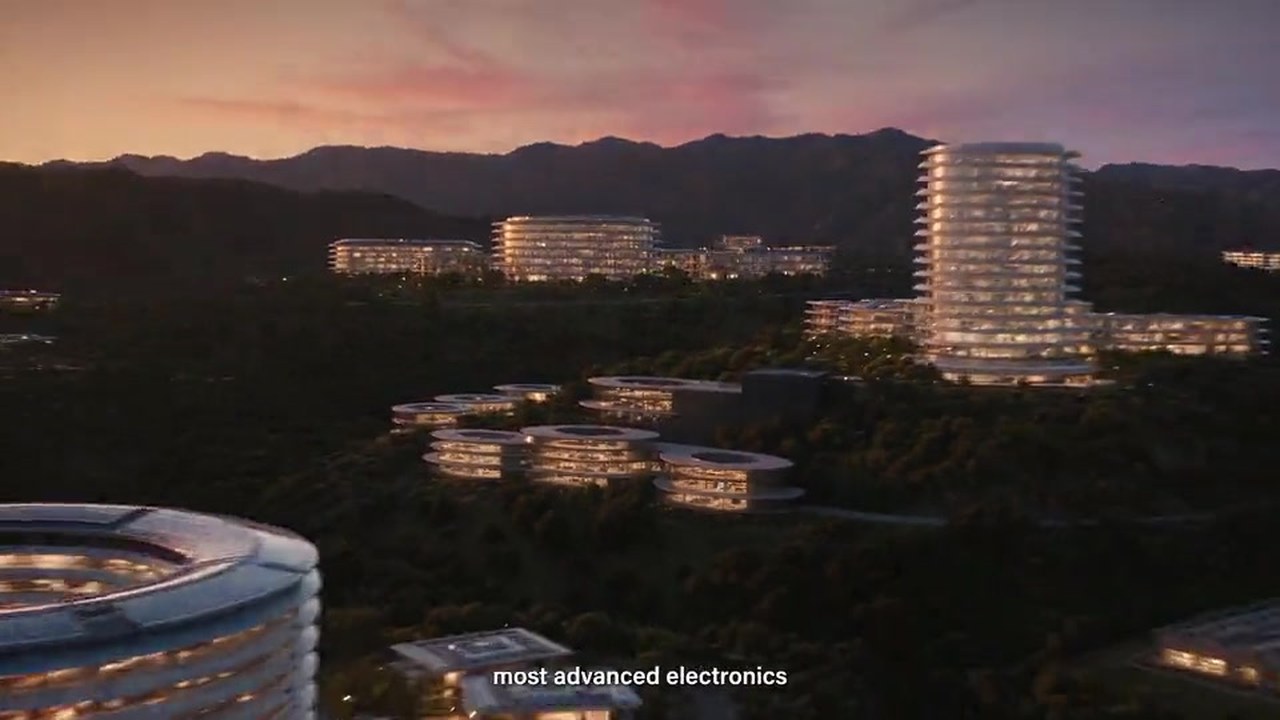
1. Go inside. Put the viewer where the product works: inside the chip, inside the packet, inside the data center. The proteanTecs film travels from the world that runs on electronics down into the silicon and back out — the product’s promise, “visibility from within”, becomes the film’s camera path.
2. Make the threat a character. For security products, give the thing you detect a presence and a path, and let the product’s response be the turn in the story. Not a padlock; a moment of consequence.
3. Show the real interface at the right moment. Dashboards and consoles are built from your real UI and appear when the story needs proof — the alert, the metric, the decision — not as wallpaper.
4. Use scale honestly. Fleets, networks, cities of devices: the scale your product operates at is a visual, and in an AI film it is affordable. Numbers on screen come from you, not from the film.
5. Keep the engineer’s respect. Metaphor is allowed; inaccuracy is not. The script is written with your technical team, and on-screen language is yours word for word.
Which films deep-tech companies make
- Company film — what you do and why it matters, for customers, partners and candidates (the proteanTecs film is 2:25).
- Investor film — the problem felt, the product doing the one thing that matters, the scale.
- Product or feature film — one capability, shown from inside, with the real console.
- Conference and booth loop — a silent version that holds a trade-show screen.
How it is made, and what it takes from you
A script and a storyboard you approve before anything is generated; your real UI, brand assets and the exact technical language; an engineer who can answer questions for an hour. Then 7–10 working days to the master, from $5,000 per project, with full worldwide rights. The process is described step by step in how an AI film is actually made; confidentiality for unreleased products is handled under NDA on request.

Have a product nobody can film?
Send the brief and a link to the product. Daniel and his team reply by email with a direction and a quote — 7–10 working days from an approved brief, from $5,000.
Frequently asked questions
How do you make a video for a cybersecurity product that cannot be filmed?
By showing the product from inside — the network, the packet, the console — with AI-generated scenes built from your real UI and directed to a script. The threat becomes a character and the product’s response the turn in the story.
Can an AI film explain a semiconductor or chip product?
Yes. The proteanTecs company film on this site explains chip-health monitoring by travelling into the silicon and back out — the kind of scene no camera can reach.
Will engineers find it accurate?
The script is written with your technical team, on-screen language is yours word for word, and metaphor is used only where it does not misstate how the product works.
Can the film show our real console or dashboard?
Yes. Dashboards, consoles and devices are built from your real UI and design files and appear when the story needs proof.
How is confidentiality handled for unreleased products?
Under NDA on request; nothing from a project is shown publicly without written approval, and the studio’s portfolio right covers released films only.
Which films do deep-tech companies usually make?
A company film, an investor film, a product or feature film and a silent conference loop — often from the same story and assets.
How long does it take?
7–10 working days from an approved brief to the final master.
How much does it cost?
Films for tech companies start at $5,000 per project; the price moves with length, scenes, formats and deadline, never with crew, location or actors.
Do we own the film?
You receive full worldwide, perpetual commercial and broadcast use of the finished film, vesting on final payment.
Do you work with companies outside Israel?
Yes. ArcaneWiz is based in Ramat Hasharon, Israel, and the whole process runs remotely from brief to master.