
Best video production companies for marketing teams: Seven kinds of vendor, sixteen companies, named and priced in 2026
Pick the kind of vendor first, then the company: prices, turnaround and rights from each company’s own pages.
Book a discovery callFind your vendor type
Prices read on each company’s own page, 18–19 November 2026.
The short answer
The best video vendor for a marketing team is the one built for its main need. Freelance editors cut footage you already have, at Upwork medians of $10 to $100 an hour 1. UGC marketplaces deliver creator ads at volume, from $99 a video on Billo 5. Subscriptions give a standing team for a monthly fee. Agencies and AI studios deliver a directed film: agencies in weeks, ArcaneWiz in 7–10 working days from an approved brief. AI tools make clips your team directs.
- Choose the kind of vendor before the company: the kind decides who directs, how you pay and who carries the risk of changes.
- Compare quotes as a cost per finished video over a year, never by the hourly or monthly rate alone.
- Ask when the clock starts. “Fast” can count from the first call, the signed contract or the approved script.
- Get usage rights in writing, paid ads included: Synthesia’s licence, for one, bars stock avatars from paid promotion 19.
- Send every vendor the same brief and score the replies on weights you set before you open them.
Which video vendors do marketing teams use?
Sixteen companies across seven kinds of vendor, with the prices and terms each one publishes.
Video vendors for marketing teams, named and pricedRead 18–19 Nov 2026
| Vendor | Kind | Published price | Turnaround | Who directs | Usage rights |
|---|---|---|---|---|---|
| Your own team | In-house | Salaries: the US median for a film and video editor is $75,420 a year 24 | Your own queue | You | Yours |
| Upwork | Freelance marketplace | Editors at medians of $10, $40 or $100 an hour 1; a 7.99% service fee on the Basic plan 2 | Agreed with the freelancer | You | Set in your contract |
| Fiverr | Freelance marketplace | Each seller prices the gig; Fiverr adds 5.5%, plus $3.50 under $200 3 | Set per gig | You | Check each gig’s terms |
| Contra | Freelance network | Freelancers set rates; a $15 or $29 platform fee per payment, none when the freelancer is on Pro 4 | Agreed with the freelancer | You | Set in your contract |
| Billo | UGC marketplace | From $99 a video; managed service from $2,000 a month 5 | 7–12 days after the creator receives the product 6 | The creator, to your brief | Full usage rights once you approve 5 |
| Insense | UGC marketplace | From $400 a month billed yearly, plus the creators and a 10% fee 7 | Not published | The creator, to your brief | Full digital rights once approved and paid; the creator keeps the copyright 7 |
| Superside | Creative subscription | From $15,000 a month on an annual term, plus $1,000 a month in software fees 8 | A few days for many production-focused projects 9 | Superside’s team, to your requests | Set in your contract |
| Design Pickle | Creative subscription | From $1,279 a month on an annual plan, $1,918 month to month; video editing included 10 | Not published | The designer, to your requests | Set in your contract |
| Vidpros | Editing subscription | From $1,000 a month for 20–40 short videos, month to month 11 | Overnight for short edits on the Starter plan 11 | You: your footage, their edit | Not stated on its pricing page |
| Lemonlight | Production agency | Animated from $3,500, curated from $3,750, scripted typically from $8,000 12; an AI package at $3,500 13 | As little as 3 weeks 12; 3 weeks for the AI package 13 | Lemonlight’s producer and creative director | Not stated on the pages read |
| Vidico | Production agency | By quote, in credits that roll over 15 | Not published | Vidico | Not stated on its pricing page |
| Yum Yum Videos | Animation agency | Explainers from $6,000 14 | Around 6 to 8 weeks for a custom explainer 14 | Yum Yum’s team | Not stated on the page read |
| ArcaneWiz | AI video studio | Per project, from $3,000 for a defined brief 25 | 7–10 working days from an approved brief | Daniel Atzil, a filmmaker, and his team | Set per project; ask for it in the written scope |
| Silverside AI | AI video studio | Not published; made one of the films in Coca-Cola’s 2024 AI holiday campaign 17 | Not published | Silverside’s directors | Not published |
| Synthesia | AI avatar tool | Starter $19 a month, $14 billed yearly 18 | As fast as your team writes and edits | You | Stock avatars may not appear in paid ads 19 |
| HeyGen | AI avatar tool | Creator $29 a month 20 | As fast as your team writes and edits | You | Commercial use, ads included, on paid plans 21 |
| Runway | AI generation tool | Standard $15 a month ($12 yearly), about 52 seconds of Gen-4.5 22 | Clips in minutes; the film takes your editing time | You | You keep ownership of what you generate 23 |
“Not published” means the company gives a price, a date or its terms only on request. Clutch reports that most video production agencies on its platform charge $100–$149 an hour 16.
Read the table twice. Across a row it tells you what one company sells; down the columns it shows where the kinds of vendor really differ. The price column mixes units on purpose, because that is how vendors sell: an hour, a video, a month, a project. The turnaround and direction columns are where most bad hires go wrong, since a cheap vendor that needs you to direct every cut is not cheap for a team without a director.
Companies are listed because they publish prices or terms a marketing team can check, not as a ranking. ArcaneWiz is ours, and it is marked as such in the row.
What does each kind of vendor cost to start?
Four published floors, from one creator video to a year of a salaried editor.
- $99Billo, one creator video, the lowest published price 5
- $3,000ArcaneWiz, one directed AI film for a defined brief, per project 25
- $15,000Superside, the monthly minimum on an annual term 8
- $75,420The US median annual wage of a film and video editor, May 2025 24
The floors sit far apart because the units differ: a video, a project, a month, a year of salary. They only compare once each is turned into a cost per finished video over the year of work you expect. The six pricing models guide does that with a calculator; the scorecard further down does it for real bids.
Which vendor fits what your team needs?
Choose your team’s main need to light the vendors built for it.
Start from the need, not the vendor. A team that needs forty ad variations by Friday and a team that needs one launch film for a conference need different kinds of company, even with the same budget.
- In-house teamyour own hires
- FreelancersUpwork, Fiverr, Contra
- UGC marketplacesBillo, Insense
- SubscriptionsSuperside, Design Pickle, Vidpros
- Production agenciesLemonlight, Vidico, Yum Yum Videos
- AI video studiosArcaneWiz, Silverside AI
- AI video toolsSynthesia, HeyGen, Runway
Your need, and the vendors built for it
- Start with
- An AI studio for a finished film; creators or a tool for short clipsA UGC marketplace for creator ads; a subscription for many formatsA production agency or an AI studio, chosen by its portfolioA freelance editor or an editing subscription; hire when the work is weekly
- Expect to pay
- ArcaneWiz from $3,000; creator videos from $99; tools from $15 a monthBillo from $99 a video; Vidpros from $1,000 a month; Superside from $15,000 a monthLemonlight from $3,500; Yum Yum explainers from $6,000; ArcaneWiz from $3,000Upwork medians $10–$100 an hour; Vidpros from $1,000 a month
- Who directs
- The studio; for tools, youThe creators or the team, to your briefThe agency or the studioYou
- Watch for
- What “fast” counts from: the brief, or the approvalAn annual minimum; a look that changes from video to videoLead time and revision rounds in writingRates are per hour; agree a ceiling
Prices from each company’s own page; sources numbered at the end.
Which kind of vendor should you start with?
Four questions, a shortlist of vendor kinds, and the reason each one fits.
Find your vendor type
Answer for the next project, not for the year. The shortlist changes as you change an answer.
Your shortlist
A rule of thumb built from how each kind of vendor is set up and what it publishes, not a ranking of companies.
The tool scores each kind of vendor against four facts that decide most hires. Volume separates the per-project world (agencies, studios) from the per-month world (subscriptions, marketplaces). Direction separates vendors that bring the idea from vendors that execute yours. Budget per video rules out a whole column at once. And the starting material matters more than teams expect: editors need footage, creators need a product they can hold, and only agencies and studios start from a brief alone.
How fast can each kind of vendor deliver?
Ask when the clock starts. “Fast” means little until you know whether it counts from the first call, from the signed contract, or from the approved script, and the gap between those can be longer than the production itself.
- AI video tools
- Clips in minutes; the finished video takes as long as your team takes to direct and edit it.
- Editing subscriptions
- Vidpros turns short edits around overnight on its Starter plan 11.
- Creative subscriptions
- Superside says many production-focused projects take just a few days, original creative longer 9.
- AI video studios
- ArcaneWiz delivers in 7–10 working days from an approved brief.
- UGC marketplaces
- Billo’s creators usually deliver 7–12 days after they receive your product 6, so shipping is part of the schedule.
Speed has a price on both sides. Yum Yum Videos charges extra for rush schedules and warns that a scene changed late can add $2,000 or more 14. Time lost waiting for internal approvals is the most common delay of all, and no vendor can buy it back.
The rule this guide follows
Choose the kind of vendor before the company: the kind decides who directs, how you pay and who carries the risk of changes.
Agency, AI studio, subscription or creators?
Five ways to get a finished video made, side by side.
Production agency
- What they do
- Plan and shoot or animate: crew, locations, actors, illustration, edit, sound.
- Best when
- The film needs real people in real places, or a hand-drawn animated world.
- Published prices
- Lemonlight from $3,500 to typically $8,000 by style 12; Yum Yum Videos explainers from $6,000 14; most agencies on Clutch charge $100–$149 an hour 16.
- Watch for
- Lead time, the number of rounds included, and late-change fees.
Agencies are moving into AI too: Lemonlight sells a 30-second AI video package with a producer, a creative director and two rounds of revisions for $3,500, delivered in three weeks 13.
AI video studio
- What they do
- Direct and edit like an agency, but generate the shots instead of filming them.
- Best when
- The film needs worlds, products or moments a shoot cannot reach quickly or cheaply.
- Published prices
- ArcaneWiz from $3,000 per project for a defined brief 25; many studios quote only on request.
- Watch for
- Direction varies more than in any other kind: judge the portfolio, not the tools named.
Silverside AI made one of the films in Coca-Cola’s 2024 AI holiday campaign 17; ArcaneWiz has made films for Samsung, proteanTecs and Scorli. Both are studios in the sense that matters: someone is responsible for the film, not only for the generations.
Subscription
- What they do
- A standing design and video team for a fixed monthly fee; you send requests, they work through them.
- Best when
- The work is steady, varied and all year: ads, social cuts, edits, presentations.
UGC marketplace
- What they do
- Connect you with creators who film themselves using your product.
- Best when
- The ad should look like a customer made it, and you need many versions to test.
- Published prices
- Billo from $99 a video 5; Insense from $400 a month billed yearly, plus the creators and a 10% fee 7.
- Watch for
- Each creator films their own way; check what the rights cover before you run paid ads.
AI tool
Many teams use two at once: an agency or a studio for the film that carries the brand, and creators, a subscription or a tool for the stream of short ads around it. The two jobs need different vendors more often than they need a bigger one.
How do you brief several vendors at once?
One request, sent to every vendor, so the replies line up.
A request for proposal, one page
Request for proposal: [project name]
Company: [name, website]   Contact: [name, role, email]

1. What the video has to do
   Audience: [who watches, where]
   The one thing they should do or remember: [...]
2. Deliverables
   Finished videos: [number] x [length] seconds
   Formats: [16:9 / 9:16 / 1:1 / 4:5]   Versions: [languages, cut-downs, hooks]
3. Where it will run
   Channels: [website, paid social, YouTube, TV, events]
   Paid media: [yes / no]   Territories: [...]   Period: [...]
4. What we provide
   [logo, brand guide, product, footage, script, people for approvals]
5. Dates
   Brief approved: [date]   First cut: [date]   Final: [date]
6. Budget
   Range: [from - to]   Billing we prefer: [project / monthly / hourly]
7. Please reply with
   - Who will direct the work, and three projects like this one
   - What the price includes: script, voice, music licensed for ads, versions
   - Rounds of changes included, and the price of one more
   - When the clock starts, and the delivery date
   - Usage rights: channels, paid media, territories, term, or a buyout
   - Tools and AI models you will use, and their commercial terms
   - Payment terms
Reply by: [date]
Say what it has to do, not how it should look
Parts 1 to 3 describe the job: the audience, the one action, the channels. Leave the look to the vendor’s proposal; that is where you see who can think, and it keeps an agency, a studio and a creator platform answering the same question.
List what you supply, and when
Parts 4 and 5 stop the most common delay: the vendor waiting for a logo file, a product sample or an approval. Billo’s creators, for example, start counting their 7–12 days only once the product arrives 6.
Name the budget range
A range gets proposals sized to it. Without one, an agency proposes its standard package, a subscription its standard plan, and the numbers cannot be compared.
Ask everyone the same questions
Part 7 is the scorecard in advance. When every reply answers the same seven questions, you can score them line by line instead of comparing brochures.
What should you ask each kind of vendor?
Some questions belong in every conversation: who directs, what the price includes, how many rounds of changes, when the clock starts, who owns the result. Then each kind of vendor has one question that exposes its weak point. Ask it early, before the proposal, because the answer changes what you should ask for.
A vendor that answers clearly and in writing is already showing you how the project will run.
Every vendor
Who directs, by name?
Ask for the person and three projects they directed. A team name or a tool name is not an answer.
In-house team
Is there a full week of work, every week?
A salaried editor costs the same in quiet weeks; the US median is $75,420 a year before equipment and software 24.
Freelancers
What is the estimate, and the ceiling?
Hourly work has no natural end. Agree the hours per stage and a not-to-exceed total, and add the platform fee: 7.99% on Upwork Basic 2, 5.5% on Fiverr 3.
UGC marketplaces
What do the rights cover?
Billo transfers full usage rights on approval 5; Insense grants full digital rights while the creator keeps the copyright 7. Check TV and outdoor separately.
Subscriptions
What does one month actually deliver?
“Unlimited” means a queue. Ask for output per month; Vidpros, for one, counts each revision round toward it 11.
Production agencies
When does the clock start, and how many rounds?
Lemonlight’s AI package includes two rounds 13; ask what a third costs before you need it.
AI video studios
Which models, and are their terms fit for ads?
A studio should name the models it uses and know their commercial terms, and show directed films, not tool demos.
AI tools
Can this avatar run in a paid ad?
Synthesia’s licence bars stock and synthetic avatars from paid promotion 19; HeyGen allows ads on paid plans 21.
How do you compare the bids?
Decide the weights before you open the replies, or the most impressive deck will set them for you. Five criteria cover most marketing videos; score each from 1 to 5 against the answers to the request, multiply by the weight and add up.
Worked example: two bids for one launch film, scored (fictional bids)
- Work like ours in the portfolio (weight 30%)
- Bid A: 4 of 5, 1.20; Bid B: 3 of 5, 0.90
- A named director with comparable films (20%)
- Bid A: 4 of 5, 0.80; Bid B: 4 of 5, 0.80
- What the price includes: script, voice, music for ads, versions (20%)
- Bid A: 3 of 5, 0.60; Bid B: 5 of 5, 1.00
- Delivery date, and when the clock starts (15%)
- Bid A: 5 of 5, 0.75; Bid B: 3 of 5, 0.45
- Usage rights for every channel you named (15%)
- Bid A: 3 of 5, 0.45; Bid B: 5 of 5, 0.75
- Weighted score, out of 5
- Bid A 3.80; Bid B 3.90
Fictional bids, to show the method. Bid B wins on what the price includes and on rights, though Bid A has the stronger portfolio and the earlier date. Change the weights to match what your team cares about, before the bids arrive.
Price is not one of the five, on purpose. Compare it separately, as a cost per finished video over the year of work you expect, and only between bids that clear the scorecard. A cheap bid that fails on rights is not a cheaper version of the same thing.
How video production is priced: the six modelsHow to read an AI video quote
What belongs in the contract?
Twelve lines that prevent most disputes over video work.
Most arguments about a video are arguments about something nobody wrote down: a round of changes, a format, a channel. Put these in the contract or the accepted proposal, whatever kind of vendor you hire.
Before you sign
Can you run the video as a paid ad?
What each company’s own terms say about ownership and advertising.
Rights and ads, from the vendors’ own pagesRead 18–19 Nov 2026
| Vendor | What its terms say | What to check |
|---|---|---|
| Billo | Full usage rights transfer once you approve the video 5 | Whether ads run from the creator’s own account need separate terms |
| Insense | Creators grant full digital rights, perpetual, once the content is approved and paid; the creator keeps the copyright; full IP takes a separate creator contract through managed services 7 | Any use beyond digital: TV, outdoor, print |
| Synthesia | Stock and synthetic avatars may not be used in any paid promotion, including paid social and TV ads 19 | For paid ads, a custom avatar with the person’s consent, or a filmed presenter |
| HeyGen | Paid plans carry commercial rights, ads included; free-plan output is non-commercial; stock avatars are not unique to you 21 | That a competitor may use the same stock avatar |
| Runway | You keep ownership of what you generate, with no non-commercial restriction from Runway 23 | Your rights in anything you upload: images, footage, faces |
| Upwork, Fiverr, Contra | Set between you and the freelancer, under each platform’s terms | A written transfer on payment, the project files, and any stock or music licences |
| Agencies, subscriptions, AI studios | Set in each contract or proposal | Channels, paid media, territories and term, or a buyout |
Summaries of each company’s own page, linked in the sources. Terms change; read the current version before a paid campaign.
Ownership and permission to advertise are two different questions. You can own a video and still be barred from running it as an ad, because a licence inside it (a stock avatar, a music track, a creator’s face) says so. Ask about each part of the video, not only about the file.
When should you change vendor type?
Teams rarely choose the wrong vendor on day one. They keep the right vendor too long, after the work has changed under it. These are the signs that the kind of vendor, not the company, has stopped fitting.
Move up to an agency or a studio when
- the film has to carry the brand, at a launch, on the homepage, at an event
- nobody on the team has the time to direct
- freelance rounds keep multiplying and the hours with them
- you need one look held across many versions and languages
Move to creators, a subscription or a tool when
- you need many short ads a month to test, and the look can vary
- someone on the team can direct and edit
- the work is steady enough to fill a monthly plan
- speed matters more than a single film’s finish
What are the warning signs in a pitch?
Six things that predict a hard project, whatever the price.
No named director
If nobody can say who will direct your film, the answer is whoever is free that week.
“Unlimited” with no output
Unlimited requests or revisions mean a queue. Ask how many finished videos a month the plan delivers.
Rights “to be discussed”
Usage rights decided after delivery are decided by the vendor. Settle channels, paid media and term first.
No price for one more round
A quote that counts rounds but does not price the next one has priced it already, at whatever the moment allows.
Tool demos instead of client work
Generated clips show what a model can do. Directed films for clients show what the vendor can do.
A clock that starts late
“Ten days” counted from an approved script that takes three weeks to approve is a five-week project.
Where does an AI video studio fit?
Between the agency and the tool. An AI studio brings what an agency brings (a director, a script, an edit, sound) without the cost and lead time of a shoot, and it delivers a finished film instead of the raw generations a tool gives you.
ArcaneWiz is one. Daniel Atzil, a filmmaker with 20+ years in cinema, and his team have made films for Samsung, proteanTecs and Scorli. Projects start from $3,000 for a defined brief, with delivery in 7–10 working days from an approved brief.
It is the wrong choice when the film needs your real people in your real place, or when you need forty creator ads a week. Then an agency, or creators, will serve you better, and this guide’s table names some of them.
Top 10 AI video production companies in 2026The ArcaneWiz portfolio

What do the terms in a video quote mean?
- Usage rights
- Where, how and for how long you may show the video: channels, paid media, territories and term.
- Buyout
- A one-time payment for broad or unlimited use, so the rights do not expire or need renewing.
- Paid media
- Running the video as an ad you pay to place, as opposed to posting it on your own channels.
- Round of changes
- One set of consolidated feedback and the revision that answers it. Define it, or every email becomes a round.
- Statement of work (SOW)
- The written scope a vendor signs: the deliverables, versions, rounds of changes, dates, usage rights and price. What is not in it is not in the price.
- Turnaround
- The time from an agreed starting event to delivery. Always ask which event.
- Creative subscription
- A standing team for a monthly fee, working through your requests in a queue.
- UGC
- User-generated content: video filmed by creators, often with your product, in the style of a customer.
- Stock avatar
- A ready-made AI presenter that many customers can use; often licensed differently from a custom one.
- Master file
- The final full-quality video from which every version and format is cut.
Frames from the studio’s films
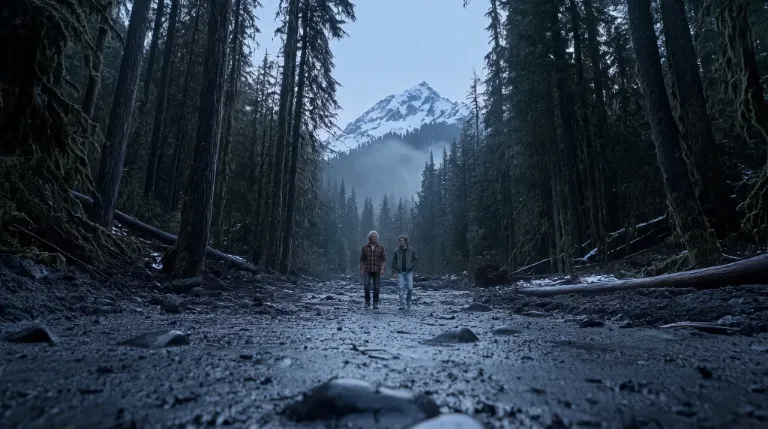
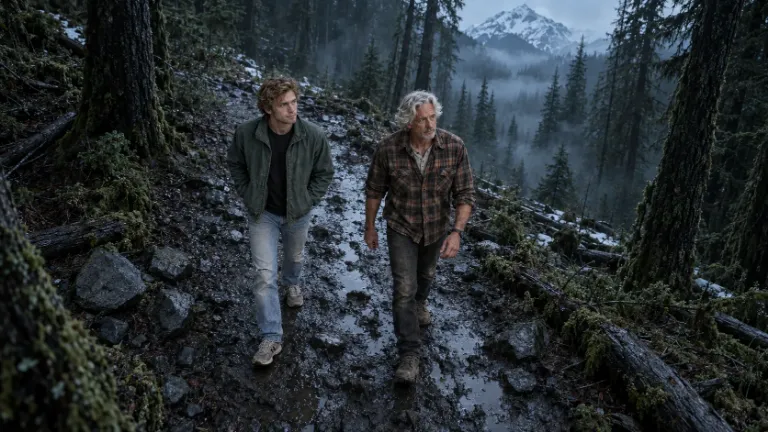
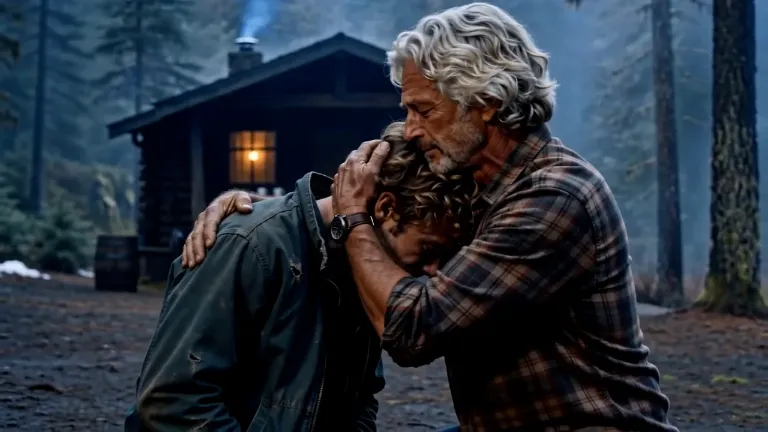
Samsung, proteanTecs, Scorli and TRUE NORTH, directed by Daniel Atzil and his team.

Samsung Galaxy S25 
proteanTecs Scorli TRUE NORTH proteanTecs 
Scorli TRUE NORTH Scorli






Questions and answers: what else do marketing teams ask about video vendors?
What is the best video production company for a marketing team?
The one built for the team’s main need. For speed, an AI studio or a creator marketplace; for volume, a UGC marketplace, a subscription or an AI tool; for a brand film, a production agency or an AI studio; for edits of your own footage, a freelance editor, an editing subscription or an in-house hire. Choose the kind first, then compare companies of that kind.
How much does a video production company charge?
It depends on the kind. Freelance editors on Upwork run at medians of $10 to $100 an hour; creator videos on Billo start at $99; Lemonlight’s videos start at $3,500 to $8,000 by style; Yum Yum Videos’ explainers start at $6,000; ArcaneWiz projects are priced from $3,000; Superside’s subscriptions start at $15,000 a month on an annual term.
Which video production companies have the fastest turnaround?
Editing subscriptions and AI studios. Vidpros turns short edits around overnight on its Starter plan; ArcaneWiz delivers a directed film in 7–10 working days from an approved brief. Creator platforms take about a week or two, since Billo’s creators deliver 7–12 days after receiving the product, and agencies take weeks to months.
Is an agency or a freelancer better for marketing videos?
A freelancer is better for well-defined edits you direct yourself, priced by the hour or the job with a ceiling you agree. An agency or a studio is better when you need the idea, the direction and the finished film in one place, with one party responsible for the result.
What is a creative subscription like Superside?
A standing creative team for a fixed monthly fee, working through your requests. Superside starts at a $15,000 monthly minimum on an annual term, plus $1,000 a month in software fees; Design Pickle starts at $1,279 a month on an annual plan; Vidpros sells video editing from $1,000 a month, month to month.
What is a UGC marketplace?
A platform that connects brands with creators who film themselves with the product. Billo charges per video, from $99, with two revisions and full usage rights on approval; Insense charges for platform access, from $400 a month billed yearly, with the creators paid separately and a 10% marketplace fee.
What is an AI video studio?
A studio that directs and edits like a production company but generates the shots with AI models instead of filming them. ArcaneWiz and Silverside AI are two; Silverside AI made one of the films in Coca-Cola’s 2024 AI holiday campaign. The difference from a tool is responsibility: the studio delivers a finished film.
Should a marketing team use AI video tools or hire a studio?
Tools when the team has someone to direct and edit, and needs many short, simple pieces; plans start at $15 to $29 a month. A studio when the film has to carry the brand and the team’s time is the scarce thing.
Can I use AI avatar videos in paid ads?
It depends on the tool and the avatar. Synthesia’s licence bars stock and synthetic avatars from any paid promotion, including paid social and TV; custom avatars follow the agreement with the person filmed. HeyGen says paid plans carry commercial rights, ads included, while free-plan output is non-commercial.
Who owns a video made by a freelancer or a creator?
Whatever your agreement says. Billo transfers full usage rights once you approve a video; Insense grants full digital rights while the creator keeps the copyright; on freelance platforms the transfer is set between you and the freelancer. Put the transfer, the files and any music licence in writing before you pay.
What should be in a video production contract?
The deliverables and formats, the rounds of changes and the price of one more, the delivery date and what starts the clock, usage rights or a buyout, music and voice licences that cover ads, consent for any real person or AI likeness, the tools used, the files you receive, and payment and cancellation terms.
How do I compare an hourly quote with a subscription?
Express both as a cost per finished video over the same year of the work you actually expect, add platform fees such as Upwork’s 7.99% or Fiverr’s 5.5%, and then compare who carries the risk of extra rounds. Score quality separately, before price.
How many vendors should I ask for a proposal?
Three is usually enough to see the range, provided they are of the kind your need calls for. Send them the same request, with a budget range and the same seven questions, and score the replies on weights you set in advance.
Can one vendor do everything?
Rarely well. Many teams pair one partner for the film that carries the brand with creators, a subscription or a tool for the stream of short ads around it. The two jobs reward different set-ups.
Where can I see a list of AI video production companies?
Our Top 10 AI video production companies in 2026 lists ten studios with what each is known for, and the self-serve platforms in a separate section.
Sources
Prices and terms read on each company’s own page on 18–19 November 2026, unless the source is dated. Prices change, so check before you buy.
- Upwork, “How Much Does Hiring a Video Editor Cost?”
- Upwork, “Pricing: plans and fees for clients”
- Fiverr Help Center, “Paying for orders, extras, or custom offers”
- Contra Client Help, “Understanding Contra’s fees as a client”
- Billo, “How Billo pricing works: what you pay for UGC videos”
- Billo Help, “How long does it take to get a video?”
- Insense, “Choose a plan”
- Superside, pricing
- Superside, FAQ
- Design Pickle, “Design Pickle pricing update”
- Vidpros, pricing
- Lemonlight, “How Much Does It Cost to Produce a Video?”
- Lemonlight, “AI video production”
- Yum Yum Videos, “How Much Does an Explainer Video Cost in 2026?”
- Vidico, pricing
- Clutch, “Video Production Pricing”
- LBB Online, “Coca-Cola Brings Back Holidays Are Coming with AI”
- Synthesia, pricing
- Synthesia Help, “Synthesia video licensing”
- HeyGen, pricing
- HeyGen, “Can I use AI video commercially?”
- Runway, pricing
- Runway Help, “Can I use the content I made in Runway for commercial purposes?”
- U.S. Bureau of Labor Statistics, “Film and Video Editors and Camera Operators”
- ArcaneWiz, pricing
Further reading on this site
Need the film that carries the brand?
Tell Daniel Atzil and his team what it has to do. You get a fixed scope and a fixed price, from $3,000, before any work starts.