
Are AI Testimonial Videos Authentic? An Honest Look at Ethics, Disclosure, and Trust
Yes — an AI testimonial video is authentic when the words, the results, and the consent are real, and the AI-assisted production is disclosed. Authenticity lives in the source of the claim, not the production method. At ArcaneWiz, a premium AI video production agency led by Creative Director Daniel Atzil (20+ years in cinematography, color, and sound), every testimonial is built on a real, consenting customer’s own statement and verified results — produced with AI and openly disclosed. We use cinematic craft and AI to elevate a true story, never to fabricate a customer, a face, or a result.
This page answers the trust question honestly, including where the format genuinely goes wrong. If you want the format itself defined — formats, use cases, and how the service works — see our AI testimonial video pillar. Here, we stay on one thing: are these videos real, ethical, and believable?
What makes a testimonial video “authentic” (and what breaks it)?
Authenticity in any testimonial — AI-assisted or not — runs on two separate axes. Confusing them is what makes buyers nervous about AI. Keep them apart and the ethics get clear fast.
Axis one is the claim. A testimonial is authentic when a real, identifiable customer voluntarily says something true about a real outcome they experienced, with their consent to use it. That is the part that must never be manufactured. If the person, the words, or the results are invented, no production method can make it honest.
Axis two is the production. How the video is made — lighting, editing, motion graphics, color, or AI-assisted generation — is a craft choice, not a truth claim. A camera crew, a color grade, and an AI pipeline are all just ways of presenting a real statement well. AI-assisted production is entirely legitimate when it is disclosed and when it does not misrepresent who is speaking or what happened.
THE TWO AXES OF TESTIMONIAL AUTHENTICITY
AXIS 1 — THE CLAIM (must be real)
A real, consenting customer · their own words · a result that actually happened. This can never be synthesized.
AXIS 2 — THE PRODUCTION (craft choice)
Camera, edit, color, motion, or an AI pipeline — all fine if disclosed and if it never misrepresents the speaker or the outcome.
Authentic = real claim + honest, disclosed production. Break either one and the testimonial is no longer trustworthy.
Where AI testimonial videos cross an ethical line
Candor is the point of this page, so here are the real failure modes — the ones a serious brand or legal team should worry about. These risks are real, and pretending they are not is itself a red flag.
- Fabricating a customer. Inventing a person, company, or quote that never existed. This is fraud, not production.
- Synthesizing a real person’s face or voice without consent. Cloning a customer’s likeness or generating a deepfake of someone who never agreed — even if the underlying claim is loosely true — violates consent and, in many places, the law.
- Inventing or inflating metrics. Attaching results the customer never reported (“300% growth”) to a real face. The person may be real; the claim is not.
- Undisclosed deepfakes. Passing AI-generated footage off as an unedited camera recording when a viewer would reasonably assume it was filmed as shown.
There is a legitimate synthetic format that sits right next to this line: a fully synthetic presenter or spokesperson, where the viewer knows the person on screen is AI-generated. That is a real, honest option when it is clearly what it is — we cover it separately under AI avatar video. The ethical break is not “synthetic exists”; it is a synthetic thing pretending to be a real, specific customer. Disclosure is the difference between a creative choice and a deception.
How to keep AI testimonials ethical: disclosure, consent, and verification
Ethical AI testimonials are not an accident of good intentions — they come from a repeatable process. Here is the practical checklist we hold every project to, and one you can hold any vendor to.
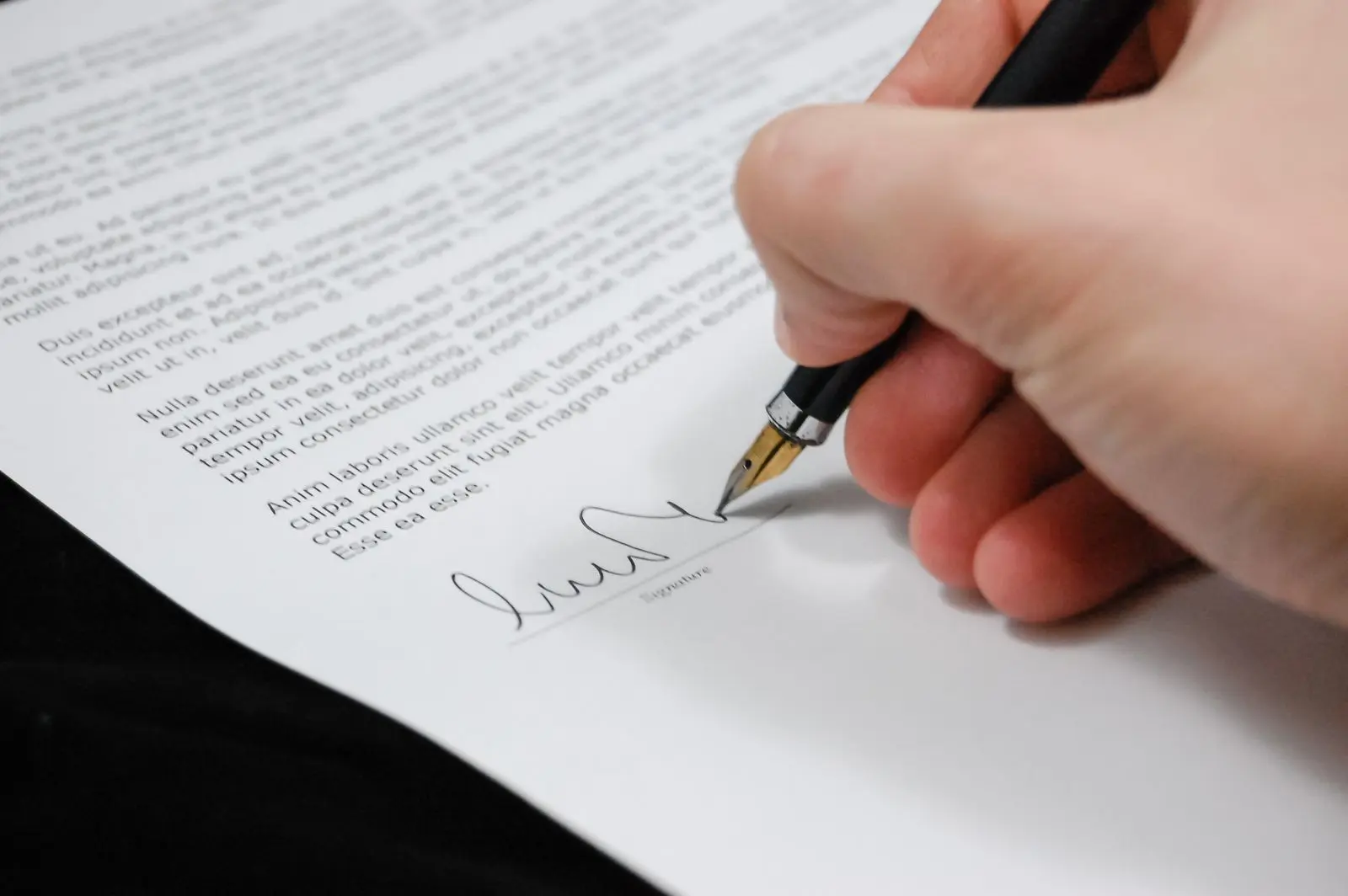
- Written consent. The customer signs off on their statement being used, and on how it will be presented, before production starts.
- Real results on file. Every number or outcome shown is one the customer actually reported and can stand behind — documented, not decorative.
- Clear AI disclosure. The audience is told the video was produced with AI assistance — on-screen, in the description, or both — so no one is misled about the production method.
- No synthetic likeness without a release. A real person’s face or voice is never generated or cloned unless they have explicitly agreed to it in writing.
- Human sign-off. The customer reviews and approves the final cut before it goes live. Their story, their veto.
Run any AI testimonial through that list and the authenticity question answers itself. If a vendor can’t show you consent, sourced results, and a disclosure plan, that is your answer — a point we expand in how to choose an AI video production agency.
How ArcaneWiz produces disclosed, authentic AI testimonials
Our process is built so authenticity is structural, not a promise. It starts and ends with the real customer; AI sits in the middle, doing the craft work that a full film crew would otherwise do.
- Real customer input. We capture the customer’s own words and verified results — a recorded interview, written statement, or approved script drawn from what they actually said.
- Storyboard and direction. Creative Director Daniel Atzil shapes the story with 20+ years of cinematography, color, and sound craft — the same senior eye that governs a traditional shoot.
- AI-assisted production. We build the visuals with a named, professional pipeline: Midjourney for image concepting, and Kling, Veo, and Seedance for motion and cinematic video — finished with professional color grading and sound design.
- Disclosure and customer sign-off. The AI assistance is disclosed, and the customer approves the final cut before release.
The full pipeline is documented in our brief-to-final-cut production process, and you can see the standard of real, verified work in our AI video case studies.
Do AI testimonial videos convert if they’re disclosed?
Yes — disclosed, real testimonials convert better over time than slick, undisclosed ones, because trust is the entire job of a testimonial. B2B buyers are sophisticated; they are already assuming production polish. What they are actually testing is whether they can believe the person and the result. Honesty about the method removes the one objection that undoes a testimonial when it’s discovered later.
Disclosure also protects the asset. An undisclosed deepfake that later surfaces doesn’t just lose one deal — it poisons every testimonial you’ve ever published. A disclosed, consented, verified testimonial carries no such landmine. It is the durable choice, and for premium brands it is the only one that matches the standard buyers expect.
If you want testimonials that are cinematic, credible, and safe to stand behind, book a free strategy call and we’ll walk you through exactly how we keep them real.
Frequently asked questions
Are AI testimonial videos authentic?
An AI testimonial video is authentic when the customer, their words, and their results are real and consented, and the AI-assisted production is disclosed. Authenticity comes from the source of the claim, not the tools used to present it. A real, verified, disclosed testimonial is authentic; a fabricated customer or an undisclosed deepfake is not, regardless of how it was made.
Do you have to disclose that a testimonial video was made with AI?
Yes — you should disclose AI assistance whenever a viewer might otherwise assume the footage was filmed exactly as shown. Clear disclosure, on-screen or in the description, keeps the video honest and protects you under advertising and consumer-protection standards. It also strengthens trust: buyers respect brands that are upfront about how their content is produced.
Is it ethical to use AI to produce a customer testimonial?
It is ethical when the testimonial rests on a real, consenting customer and a genuine result, and the AI production is disclosed. Using AI to present a true story well is a legitimate craft choice. It becomes unethical only when AI fabricates a customer, clones a likeness without consent, or invents metrics — that crosses from production into deception.
What’s the difference between an AI-produced testimonial and a fake or deepfake testimonial?
An AI-produced testimonial presents a real, consented customer claim using AI craft, disclosed to the viewer. A fake or deepfake testimonial fabricates the person, the consent, or the result — or synthesizes someone’s likeness without permission and hides it. The dividing line is truth and consent: real claim plus disclosure is legitimate; invented claim or hidden synthesis is fraud.
How does ArcaneWiz make sure a testimonial is real and consented?
We start from the customer’s own words and verified results, secure written consent and a likeness release, and disclose the AI assistance in the final video. The customer reviews and approves the final cut before it goes live. Creative Director Daniel Atzil directs the craft, and our named pipeline — Midjourney, Kling, Veo, and Seedance — produces the visuals around a story that is genuinely theirs.
Do disclosed AI testimonials still build trust with B2B buyers?
Yes — disclosed, real testimonials build more durable trust than undisclosed ones. Sophisticated B2B buyers already assume professional production; what they test is whether the person and the result are believable. Honesty about the method removes the objection that would otherwise surface later, making a disclosed, consented testimonial the safer and more persuasive long-term asset.