The short answer
The free discovery call is 30 minutes with Daniel, the studio’s founder and creative director, that you book from the Get Started page. You bring a goal, an audience and a deadline; you leave with a direction for the film and a clear next step. A scoped proposal follows within 48 hours. This page shows what happens minute by minute, what to bring, and how to tell whether any studio’s first call is worth your time.
Making a film for a tech company? See AI video production for tech companies — investor, launch, demo and training films from $5,000, in 7–10 working days.
It is a working session, not a demo and not a pitch. Daniel has directed and edited for more than 20 years, and the questions he asks are the ones a director asks before a shoot: who is watching, where, and what should they do next.
Is the call right for you? A quick decision table
There are three ways in, and each suits a different state of readiness. Pick the one that matches where you are today.
| Where you are | Best first step | Why |
|---|---|---|
| You know the goal and the date, and want a quote | Send the brief on Get Started, then take the call | The call turns a brief into a scoped proposal quickly |
| You are weighing AI video against other options | Book the call and say so | Daniel will tell you honestly when another route suits the project better |
| You want to see direction before any conversation about scope | Request a free AI video concept | You react to something visual, then talk |
| You are only gathering information | Read the 25-question FAQ first | The call is most useful when you have a live project |
The 30 minutes, minute by minute
Every call is shaped by your brand, but the structure below is the one we work to, so that you leave with something to act on.
Minutes 0–5: the job of the film
We start by listening. What should the viewer do after watching? Book a demo, invest, onboard, remember a brand? One primary action, one secondary at most. A film that tries to do five jobs does none of them well, and this is the cheapest moment in the whole project to decide which job wins.
Minutes 5–12: audience, channel and format
Who is watching, on what screen, with the sound on or off? A conference loop, a landing-page hero, a paid-social cut and an investor meeting need different films. The answers decide the format, the length and whether we plan vertical and square cuts alongside the widescreen master.
Minutes 12–20: references and look
You show one or two films that feel right, and we say what we think each one is doing: pacing, lens language, color, how the product appears. Adjectives such as “premium” or “modern” are not a brief; two reference films and one sentence on what each does well are. If you have a brand book or a design system, this is where it comes in. If you do not, the visual direction is set with you at the storyboard stage.
Minutes 20–27: direction and fit
Daniel sketches an approach: how the film opens, what the middle carries, where the product appears and how it ends. Then comes the honest part. If a project is a poor fit for AI production, for instance because it depends on a specific real person on camera, we say so and suggest a different approach. The fit question is the reason the call is free: it saves both sides a quote that should never have been written.
Minutes 27–30: next steps
We agree what happens next: the scoped proposal within 48 hours, a request for any missing material, and, if you want to see direction first, a free concept. If you are not ready, you leave with the direction and no follow-up pressure.
What to bring: the brief template
Five things make the call sharp. A budget is not on the list; the conversation about scope and price comes after the direction, not before. Paste the template below into an email or the “what you need” field on the Get Started form.
- Audience: who the film is for, in one sentence. “Series B investors in sports tech” beats “everyone”.
- Format: commercial, product demo, investor film, onboarding or training film, brand film. See the tech-company films page if you are unsure what to call it.
- Distribution channel: where it will be seen first.
- Deadline window: the date you cannot miss, and why it is fixed.
- One or two references: links to films that capture the feel you want.
Nice to have: your website, a brand book, logo files, and the names of the people who must approve the film. Everything else we can work out together.
Who should be on the call
One decision-maker plus the person who will manage the project is the ideal pair. Three approval points decide the schedule (script, storyboard and cut), and every day spent waiting for an approval is a day added, so a committee of six is the most expensive thing you can bring. If other stakeholders need to be convinced, have them watch the finished films on our portfolio beforehand, or forward them the written proposal. Coming alone is fine too.
A worked example: turning a loose goal into a brief
Here is how a first call typically moves from a loose goal to a usable brief. The example is illustrative and does not describe a specific client.
| What the buyer says | What Daniel asks | What the brief becomes |
|---|---|---|
| “We need a video for our launch.” | What happens in the week after launch that the video should cause? | Job: drive demo bookings from the launch announcement |
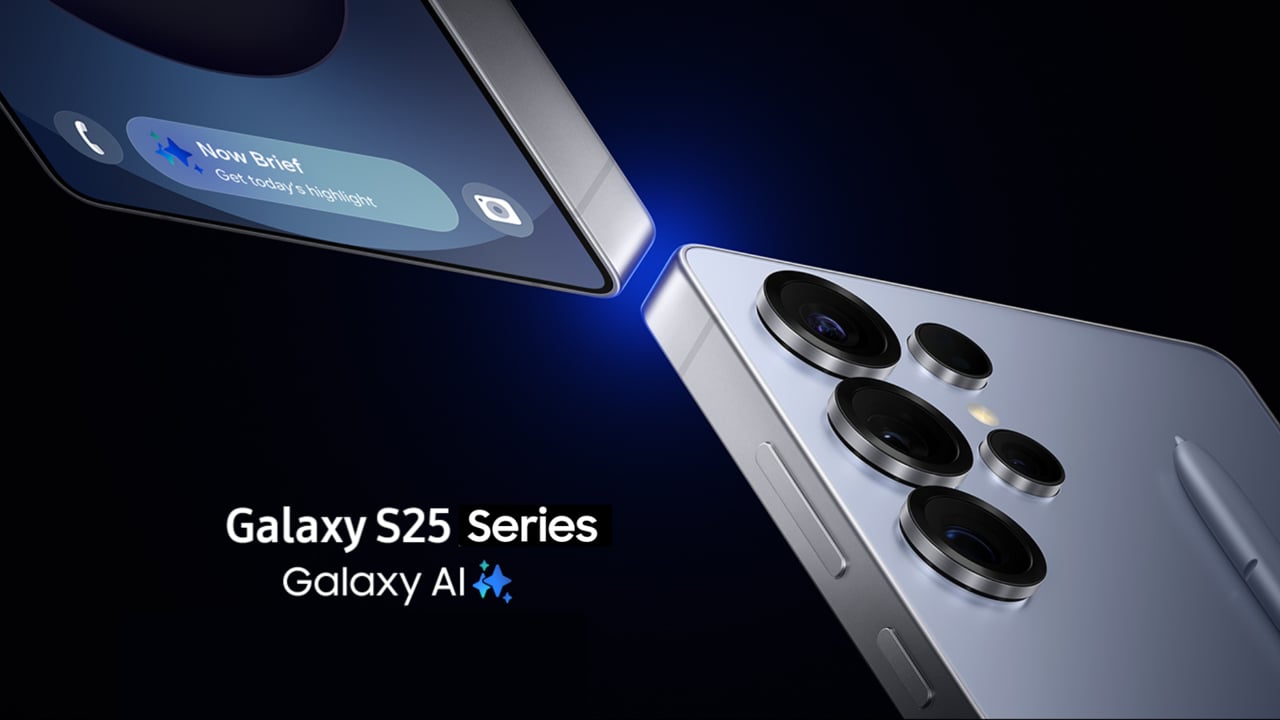
| “Something like the Samsung one.” | Which part of it: the pace, the product reveal, the length? | Reference: a 29-second widescreen commercial built around a product reveal, |
| “It has to go everywhere.” | Which placement matters most in the first month? | Master in widescreen, plus vertical and square cuts for paid social |
| “We are not sure about AI.” | What would worry your board about it? | A short list of concerns answered in the proposal, including rights wording |
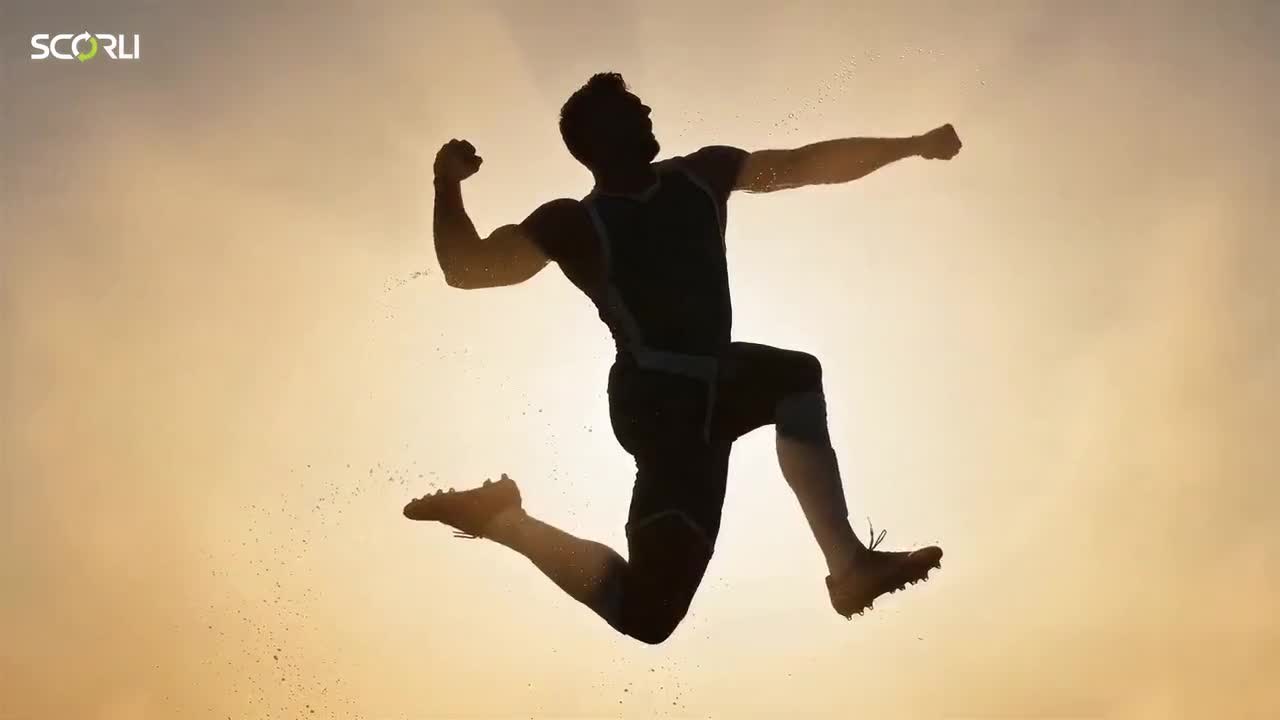
For a sense of finished films, the Samsung Galaxy S25 commercial (29 seconds, 16:9) and the Scorli investor film (one minute) are both on their own pages with credits.
Ten questions worth asking Daniel
The best calls are the ones where the buyer asks as many questions as the studio. These ten cover what most teams wish they had asked afterwards.
- What would you cut from my brief to make the film stronger?
- Which part of this film is the hardest to get right, and how do you handle it?
- How do you keep a character or a product looking the same across every shot?
- What do I approve, and when? Where is the last cheap moment to change my mind?
- What is in the revision rounds, and what counts as a new request?
- What exactly may I do with the film, and from which date?
- What happens to my unreleased product details? Can we sign an NDA first?
- If the date is fixed, what are the options, and what do they change in the quote?
- Which of your finished films is closest to what I need, and what would be different?
- When would you advise me not to make this film with AI?
Question 3 matters most for product and tech films. We build from your real UI, device renders and brand assets, and lock characters with reference sheets before a single scene is generated. Question 4 matters most for your schedule: script, storyboard and cut are the three approval points, and the storyboard is the one to take seriously.
If your film is for a tech company: what the call adds
Tech films have a few extra decisions that are worth settling on the first call, because they change the brief rather than the polish.
| Film | Decision to settle on the call | Why it matters |
|---|---|---|
| Investor film | Which single claim must the viewer remember, and which numbers are cleared for public use? | Every number in an investor film needs a source you can stand behind. We use only what you provide and approve. |
| Launch film | What is final, and what could still change before the date? | A product that changes after the storyboard means regenerated scenes. Lock the UI before you approve the brief. |
| Product demo | Which three moments of the product are the story? | A demo that shows everything shows nothing; see product demo vs onboarding video. |
| Onboarding or training film | Who is the learner, and what can they do afterwards? | The film should end with an action, not a summary. |
Films for tech companies start from $5,000. The page on AI video production for tech companies explains the format in detail, and what an investor film has to do goes deeper on that one.
What the call cannot do
It helps to know the limits, so that you do not leave disappointed.
- It does not replace a brief. The call sharpens a brief; it cannot invent your audience or your deadline for you.
- It is not a finished script. The script comes in the first days of production, after the brief is approved, and you approve it before anything is generated.
- It does not lock a price on the spot. The scoped proposal follows within 48 hours, so that the number reflects length, scenes, formats and deadline.
- It does not promise a result. We describe what we make and show finished films. We do not promise views, leads or sales for a film we have not made yet.
After the call: a checklist for your side
Before the proposal lands, use the time to line things up. Ten minutes now saves days in production.
- Name the single person who approves the script, the storyboard and the cut.
- Gather logos, brand colors, fonts, product screenshots or renders, and any approved copy.
- Decide the primary placement and the secondary cuts you will need.
- Check who must approve legal wording, claims and any numbers shown on screen.
- Confirm the date you need the final film by, and the date you need the storyboard approved.
Then compare the proposal with the five-line test in how to read an AI video quote. If you would like to see visual direction before you decide, the next step is a free AI video concept.
What you leave with
Within 48 hours of the call you receive a scoped proposal. A sound proposal contains five things: a defined scope, the deliverables, a schedule, the revision terms, and the rights. Check yours against how to read an AI video quote before you compare it with anyone else’s.
- Direction: the approach in plain words, agreed on the call.
- Scope and price: video projects start from $3,000 and films for tech companies from $5,000. The number moves with length, scenes, formats and deadline, never with crew or locations. See pricing.
- Schedule: 7–10 working days from an approved brief. A paid rush option exists, with the surcharge agreed in the quote.
- Revisions: two major rounds and unlimited minor adjustments inside the agreed scope.
- Rights: full worldwide, perpetual commercial and broadcast use of the final film from final payment. The explanation is in who owns an AI-generated commercial.
What follows approval is described in from brief to final cut, and the day-by-day clock is in how long an AI film takes.
Five signs of a good first call, with any studio
Use this checklist on us and on anyone else you talk to.
| Sign | What it looks like | If it is missing |
|---|---|---|
| You talk to the maker | The person directing the film is on the call | You are being routed to sales |
| They ask before they pitch | Questions about audience and the job of the film come first | A deck arrives before a question |
| They say no sometimes | A project that does not fit is named as such | Everything is a yes |
| The next step is written down | A proposal with a date | “We will be in touch” |
| Rights and revisions come up | Both are in the proposal in plain words | They surface after you sign |
Common mistakes on a discovery call
- Arriving without a deadline. Without a date there is no way to say what is realistic. Bring the real one.
- Hiding the real audience. “Customers” is not an audience. Say who is watching, and where.
- Waiting to mention the approver. If a board member or a legal team has the last word, name them on the call, so the proposal accounts for them.
- Treating the call as a quote request. The quote comes after the direction. A call that starts with price skips the part that makes the price right.
- Forgetting confidentiality. For unreleased products or investor material, ask for an NDA. A standard mutual NDA is available on request, and we sign yours or send ours within the same business day.
Which film do you want to talk about?
If you are not sure what to call your project, these service pages describe the main film types, with the floor price for each:
- Investor pitch video and product demo video, from $5,000
- Training and onboarding video, from $5,000
- AI commercial and AI video ads, from $3,000
Call, concept or brief form: what each one gives you
The three routes overlap, so here is the difference in one place. None of them commits you to anything.
| Discovery call | Free concept | Brief form only | |
|---|---|---|---|
| What you do | Talk for 30 minutes with Daniel | Send a brief and react to the direction | Send four fields: name, work email, brand, what you need |
| What you get | Direction, a fit check, the next step, a proposal within 48 hours | A visual direction for your brand to react to | A reply from the team within 24 hours |
| Best when | The project is live and you want a straight answer | You decide better when you can see something | You already know exactly what you want |
| Where | Get Started | Free concept request | Get Started |
For Israeli and international brands
ArcaneWiz is based in Ramat Hasharon and works with Israeli and international brands. Voiceover in Hebrew and English is produced in-house, so a bilingual campaign does not need a second vendor, and we can talk about language versions on the first call. If your film needs both versions, raise it early, because it changes the schedule at the end of production rather than the start. The Israeli buyer’s view of the whole process is in the AI video marketing guide for Israeli CMOs.
If you would rather start in writing
Not everyone wants a call first. The Get Started form has four fields: your name, work email, brand, and what you need. Write the format, where it will run and anything you already know. Daniel reads it and replies by email with a direction, and you book the call only if it helps. For a longer brief, the contact page takes as much text as you like. Whichever way you begin, the three approval points stay the same, and nothing is generated until you have approved the script and the storyboard.
Frequently asked questions
Yes. It is a free 30-minute conversation with Daniel, with no obligation. If we are not the right fit, we will say so on the call.
Daniel, the founder and creative director, who has directed and edited for more than 20 years. You work with Daniel and his team from the first call to the final master.
We reply within 24 hours, normally the same business day. After the call, a scoped proposal follows within 48 hours.
No. Budget is not on the preparation list. Bring the audience, format, channel, deadline and one or two references. Price floors are public: video projects from $3,000, films for tech companies from $5,000, on the pricing page.
Yes. One decision-maker and the project manager is ideal. More people are welcome, but each additional approver adds time to the schedule later, so name who has the final say.
A standard mutual NDA is available on request: we sign yours or send ours within the same business day. This matters for unreleased products and investor material.
Then you leave with the direction and the proposal, with no pressure. If you want to see something visual first, request a free AI video concept.
Read our production process and the portfolio, then book. The call goes faster when you have seen the work.
Ready to talk about your film?
Book 30 minutes with Daniel. Delivery is 7–10 working days from approved brief.