
The E-Commerce Video Revolution
If you run an e-commerce brand in 2026, you already know: video ads outperform static creatives on every platform. Meta, TikTok, YouTube, and Amazon all prioritize video in their algorithms. The problem? Traditional video production is too slow, too expensive, and too rigid for the pace of modern e-commerce marketing.
That’s why a growing number of DTC and e-commerce brands — from scrappy startups to established players doing eight figures — are switching to AI video production. The results are hard to argue with.
Here are the five reasons driving the shift.
1. Dramatic Cost Reduction (Without Sacrificing Quality)


The math is straightforward. Traditional product video production for e-commerce typically costs:
- Product photography/videography: $500-$2,000 per SKU
- Lifestyle and brand videos: $5,000-$25,000 per video
- Performance ad creatives: $1,000-$5,000 per variation
For a brand with 50 SKUs producing 10 ad variations each, that’s $500,000-$1,000,000 annually in creative production costs alone.
AI video production cuts those numbers by 70-85%. The same volume of content can be produced for $75,000-$200,000 — and the quality is now indistinguishable to consumers scrolling through their feeds.
For brands operating on tight margins (which is most e-commerce), those savings flow directly to the bottom line — or get reinvested into media spend where they generate even more revenue. Calculate your potential savings with the ArcaneWiz AI Video ROI Calculator.
2. Speed That Matches the Pace of E-Commerce
E-commerce moves fast. Product launches, seasonal campaigns, flash sales, trending moments — the brands that win are the ones that can get relevant creative into market fastest.
Traditional production timelines don’t support this:
- Brief to final delivery: 4-8 weeks
- Revision cycles: 1-3 weeks per round
- New product launch video: Plan 6-8 weeks ahead
AI production timelines:
- Brief to first draft: 1-2 days
- Revision cycles: Same day to 48 hours
- New product launch video: 3-5 business days
This speed advantage means you can launch products with video on day one, respond to competitor moves within days, and refresh underperforming creatives before they drain your ad budget.
3. Unlimited Creative Testing at Scale
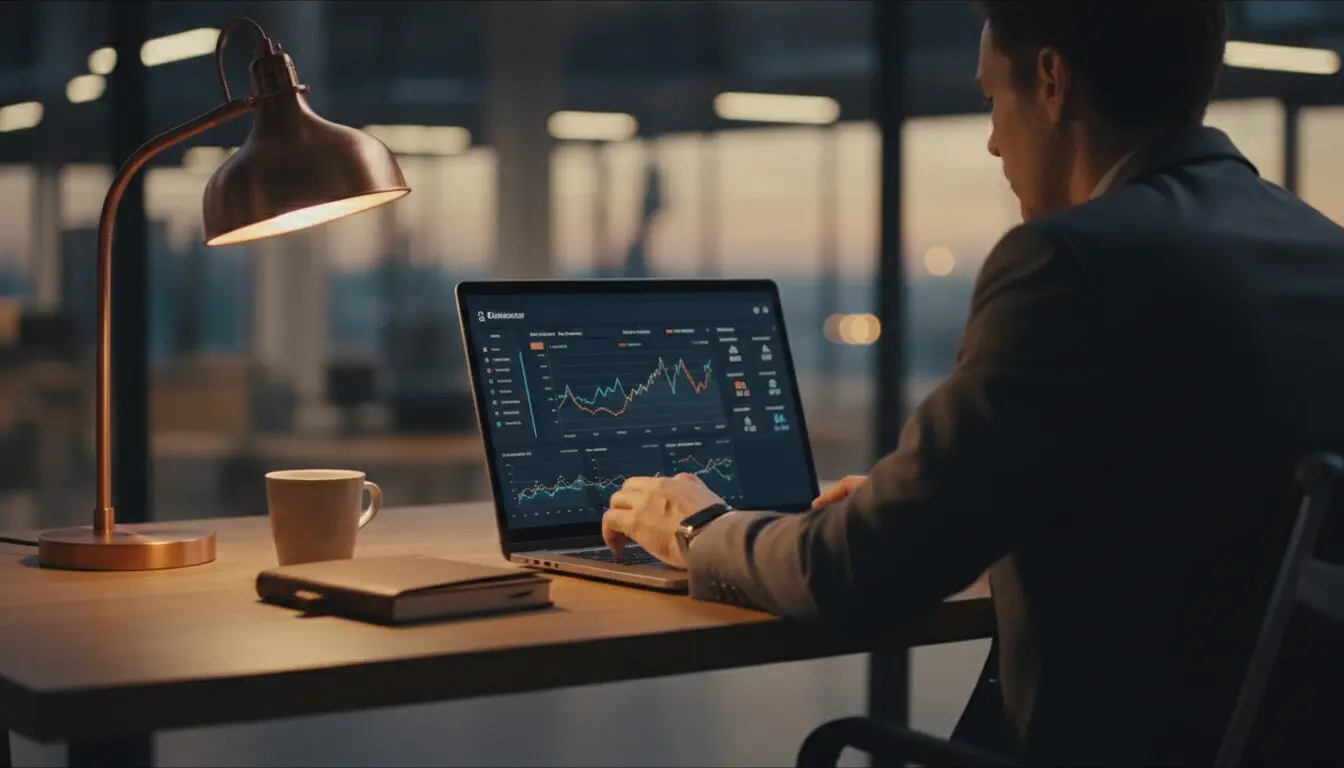
The biggest lever in e-commerce advertising is creative testing. The more variations you test, the faster you find winners. But traditional production economics create a bottleneck — every variation costs time and money, so brands end up testing 3-5 concepts when they should be testing 30-50.
AI production removes this bottleneck:
- Generate 10+ hook variations from a single concept
- Test different visual styles, environments, and color palettes
- Create versions optimized for each platform (TikTok vs Meta vs YouTube)
- Produce seasonal adaptations without reshooting
More testing means faster learning, better ROAS, and sustainable competitive advantage. The brands investing in high-volume AI creative testing are consistently outperforming those still limited by traditional production constraints.
4. Consistency Across Channels and Formats

Modern e-commerce advertising requires content across multiple platforms, each with different specifications:
- Meta (Facebook/Instagram): 1:1, 4:5, 9:16, and 16:9
- TikTok: 9:16 with specific pacing requirements
- YouTube: 16:9 for pre-roll, 9:16 for Shorts
- Amazon: Specific product video specifications
- Website: Hero videos, product pages, landing pages
With traditional production, adapting one concept across all these formats is expensive and time-consuming. With AI production, format adaptation is built into the workflow — one creative concept can be generated natively in every required aspect ratio and duration.
This ensures visual consistency across every customer touchpoint while eliminating the costly reformatting process. See how ArcaneWiz approaches e-commerce video with multi-platform delivery in mind.
5. Higher Production Value Drives Higher Conversion
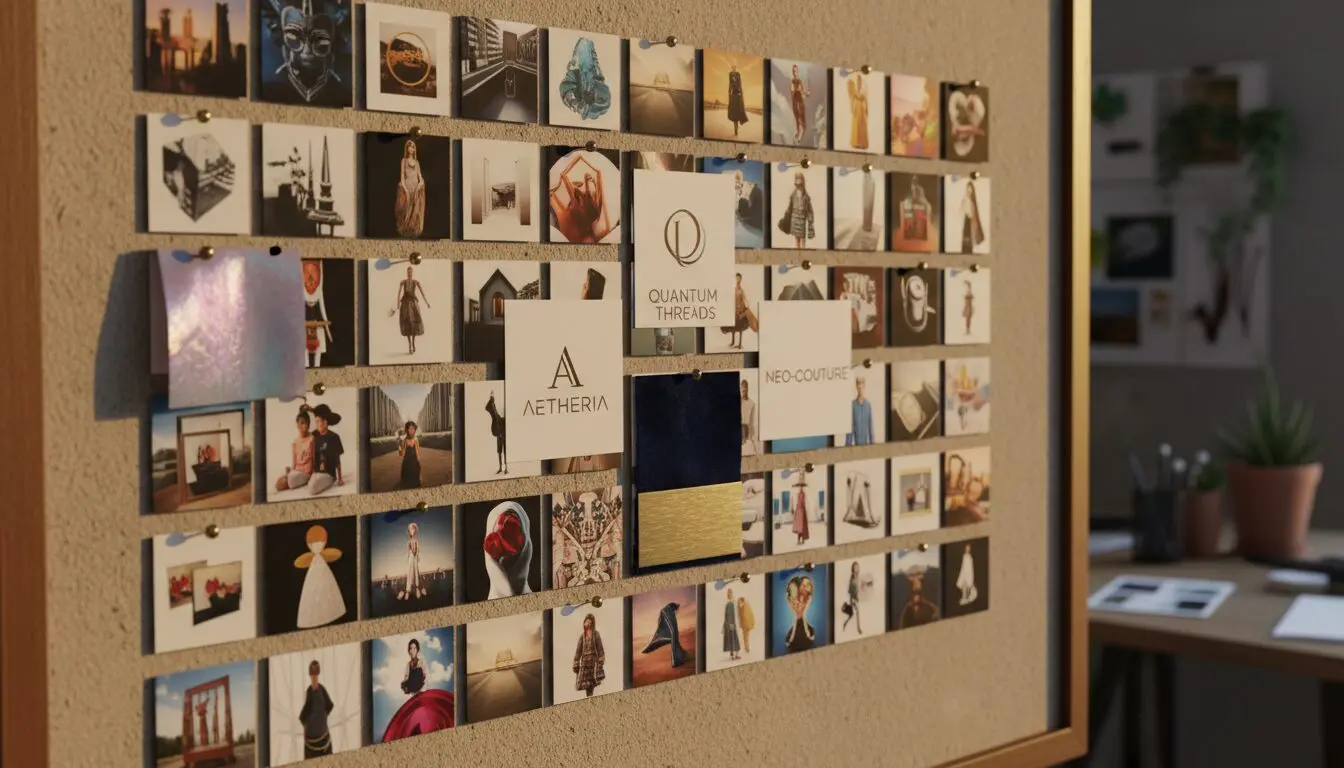
Here’s the counterintuitive insight: AI video often delivers higher production value than what most e-commerce brands could afford traditionally. Consider what AI enables:
- Cinematic environments — Place your product in stunning settings that would cost thousands to rent and light
- Perfect product presentation — Ideal angles, lighting, and movement every time
- Aspirational lifestyle content — Create the brand world your customers want to be part of
- Visual effects — Transitions, reveals, and motion graphics that feel premium
When your $5,000 AI-produced ad looks as polished as a competitor’s $50,000 traditional spot, you’re playing the same game at 10% of the cost. That’s not just savings — it’s a strategic advantage.
How to Make the Switch
Transitioning to AI video production doesn’t have to be all-or-nothing. Here’s the approach that works for most e-commerce brands:
Phase 1: Pilot Project
Start with a single campaign or product line. Compare AI-produced creatives against your existing traditional content in a controlled A/B test. Measure CTR, conversion rate, and ROAS directly.
Phase 2: Scale Winners
Once you’ve validated quality and performance, expand AI production to cover your core ad creative needs. Most brands see 3-5x more creative output at the same or lower budget.
Phase 3: Full Integration
Integrate AI production into your ongoing creative workflow. Build a content calendar that leverages AI’s speed advantage for seasonal campaigns, product launches, and trend-responsive content.

Frequently asked questions
Two mechanisms compound. Variant economics: with AI production, the per-creative cost falls enough that an e-commerce team runs a wider creative test, identifies the actual winner sooner, then concentrates spend on the asset that’s converting. Hook diversity: AI lets the team produce more hook variants per launch, which pushes thumb-stop rate up at the top of the funnel before targeting is even tuned. Lower CPM-into-checkout cost is what falls out. See AI video advertising complete 2026 guide for the full mechanism breakdown.
At cadence, weekly iteration is realistic; daily is achievable for asset-pool refreshes once the creative system is set. The constraint isn’t render time anymore — it’s brand QC. A directed AI pipeline at e-commerce scale ships a set of new hooks per week, swaps in winners, retires losers from the active rotation, then refreshes the creative system per quarter. Teams running asset-pool with weekly hook-rotation see the biggest CAC compression. See AI video production for e-commerce scale for the iteration architecture.
Beauty, fashion, and home goods adopt earliest because the creative cost-per-SKU was the hardest constraint — AI removes the per-SKU shoot bottleneck. DTC subscription brands follow close behind because the test-volume requirement matches AI’s variant economics. Furniture and large-format home goods adopt later because realism standards remain demanding and customers screenshot every detail. Food-and-beverage adopts when motion realism matches plated-food shot expectations. Vertical fit tracks two variables: creative-volume need and product-realism tolerance. See CMO guide to AI video production for vertical-by-vertical adoption data.
Different specs, related creative architecture. Amazon listing video rewards product-first composition under 30 seconds with strong visual hierarchy; TikTok Shop rewards native-feeling, scroll-stopping hooks under 15 seconds with platform-native audio; Shopify storefront video rewards looping product-in-context under 10 seconds. The base creative system (look, brand voice, hero shot) carries across; the cut, spec, and audio layer change per platform. Running a single master without platform-aware variants is the most common buyer mistake. See Amazon listing video service and TikTok ad production cost 2026.
A locked creative system, not a prompt library. Brand consistency at SKU scale requires a documented look (lighting register, color palette, motion grammar, sound signature) that a director enforces across every cut. Without that, AI produces variance, not a brand. ArcaneWiz runs SKU programs under a Creative Director with 20+ years across cinematography, color, and sound, who locks the look once and signs off each batch against it. The full case for craft discipline at SKU scale is in why the director still matters in AI video.
Per launch, a credible test produces somewhere in the range of a dozen-or-so hook variants, three-to-five body variations, and platform-aware cuts per. The variant count matters less than the test design: hook-isolation test (single body, multiple hooks), then body-isolation (winning hook, multiple bodies), then CTA-isolation. Without that structure, more variants just create more noise. The reason AI helps here isn’t variant count — it’s that the cost of running a structured test fell enough that disciplined CRO becomes affordable. See AI video advertising complete 2026 guide for the test architecture.
Mixed answer, by funnel layer. UGC still wins on raw authenticity-signal at TOFU for younger DTC audiences — the unscripted register is hard to beat. AI video ads outperform UGC on mid-funnel (consideration) and bottom-funnel (conversion), where production quality, brand consistency, and product clarity drive intent. Leading e-commerce teams in 2026 run hybrid creative systems: UGC at TOFU for thumb-stop, AI-produced for MoF/BoF for conversion lift. See AI video case studies for hybrid-stack campaign breakdowns.
Cost-per-SKU compresses with volume, then plateaus at the QC floor. A 50-SKU program runs higher per-asset cost because setup (look lock, brand QC system, platform-spec templates) doesn’t amortize. A 100-SKU program drops the per-SKU significantly. A 500-SKU program lands close to the floor — the per-SKU cost asymptotes at director time, QC time, and master delivery. The strategic question isn’t “how much” — it’s how the volume program is structured so QC doesn’t break. See AI video production for e-commerce scale for the program-tier breakdown.
Stack by use case. Midjourney handles styleframe — the look lock that brand QC signs off against. Veo carries naturalistic product-in-context motion (lifestyle, usage, scale). Kling carries the broadcast-grade hero shots — the cinematic credibility lift that conversion-rate optimization rewards. Seedance handles performance-acting cuts when a faceless brand needs character continuity in episodic creative. For e-commerce at scale, the tool choice matters less than the discipline: directing the stack against a locked creative system. See best AI video tools for marketing teams for the use-case map.
Hire the agency for the first six months while the creative system locks; the in-house build comes after the system works. Buying tools without director-level craft produces variance that doesn’t move CAC. The strongest hybrid: agency-led for hero asset systems, hero campaigns, and the brand-QC bar; in-house ops team for asset-pool refresh and platform-cutdowns at cadence. The cost of bad creative at scale is paid in CPM. See ArcaneWiz vs HeyGen — premium vs self-service or book free AI video strategy call.