Direct answer
An AI film is not produced by typing a prompt and waiting. At ArcaneWiz it is made the way a film is made: a script, style frames and a storyboard approved before anything is generated; reference sheets that lock every character and product; generation of each shot, often many times, with tools such as Midjourney, Veo, Kling and Seedance; selection and direction of the take that performs; then edit, color and sound design. Daniel Atzil and his team direct every step. The difference shows in continuity, performance and story — the three things a prompt cannot hold.
Making a film for a tech company? See AI video production for tech companies — investor, launch, demo and training films from $5,000, in 7–10 working days.
Written by Daniel Atzil, founder and creative director of ArcaneWiz · Updated October 2026
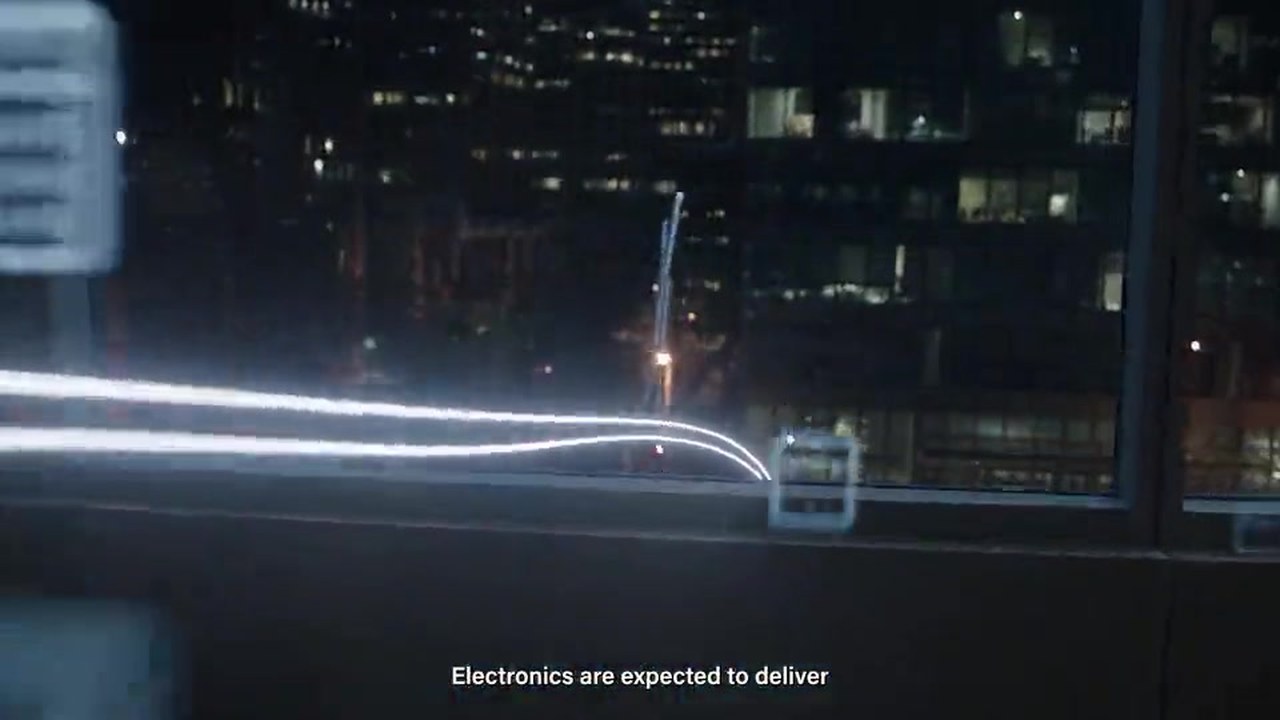
“Is it really directed?” is a fair question, because a lot of AI video is not: it is generated, and whatever came out is used. This article walks through how a directed AI film is actually made, using the company film for proteanTecs — a product you cannot photograph, because it lives inside a chip — as the example.
Step 1 — The idea and the script
Every film starts with the one thing it has to make the viewer feel or understand. For proteanTecs it was “visibility from within”: their product sees the health of electronics from inside the silicon. The script turns that into a journey — the world that runs on electronics, the systems inside it, the chip, and what changes once you can see inside. The client approves the script before anything is designed.
Step 2 — Style frames and the storyboard
The look is set with style frames: light, palette, lens feel, how the product and the brand’s language appear. Then the film is storyboarded shot by shot — what is in frame, how the camera moves, how long it holds. The storyboard is the contract between the script and the generation; the client approves it, and it is the cheapest moment to change direction.
The tools named in these steps are listed, with what each is used for, on the AI video tools we use page.
Step 3 — Reference sheets
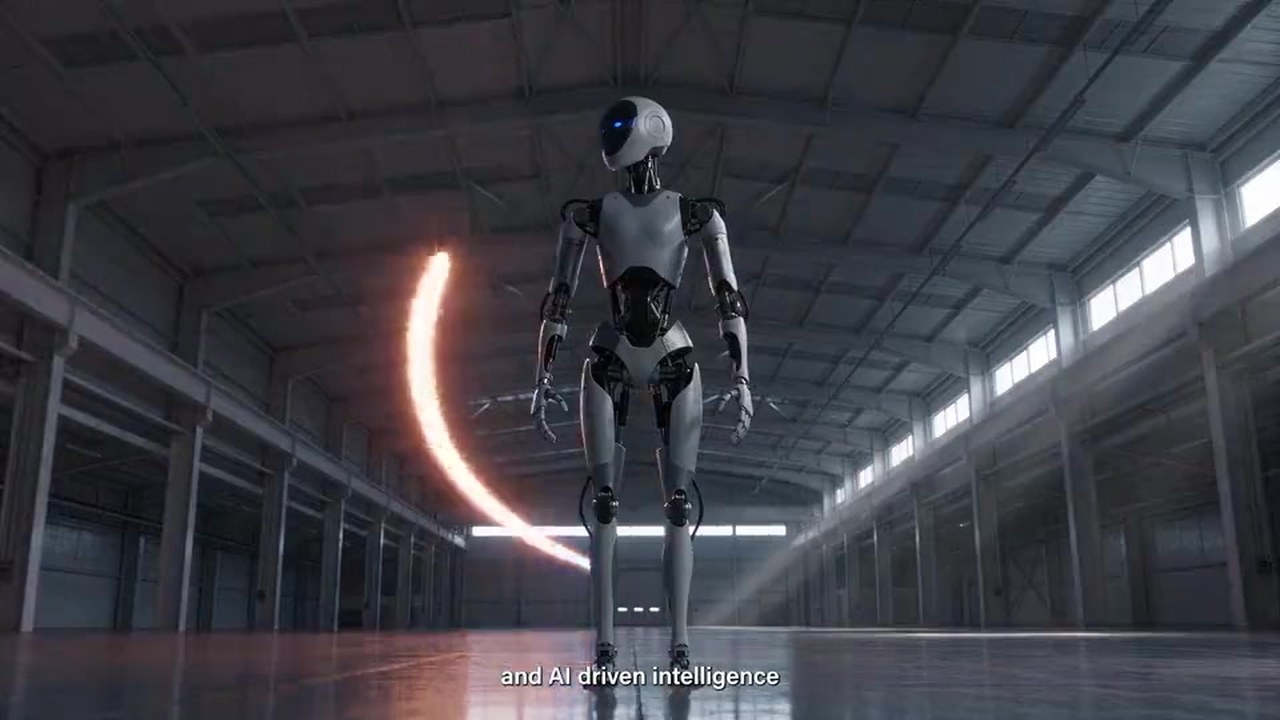
Characters, products and recurring environments are locked with reference sheets before a single scene is generated. A reference sheet is the character or product from several angles, in its exact look; every shot that follows is generated from it. This is how the same person, the same device and the same dashboard appear in every shot. Appearance comes from the references, not from written descriptions, because a description leaves room for the model to redesign.
Step 4 — Generation
Each shot is generated with the tools that fit it — Midjourney for stills and style, Veo, Kling and Seedance for motion — usually many times. The job here is not to get an image; it is to get the image: the right performance, the right light, continuity with the shot before and after.
Step 5 — Selection and direction
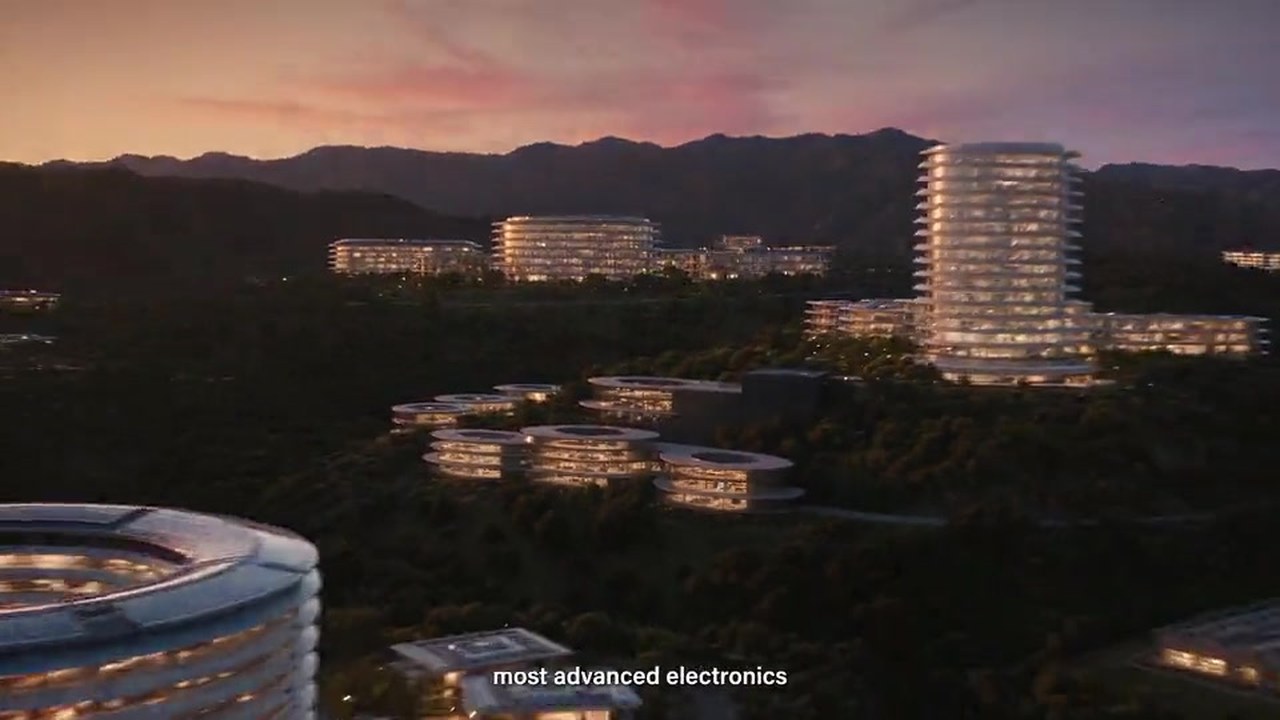
This is the step a prompt cannot do. From the takes, the director selects and refines: a gesture that reads, an eye-line that connects two shots, a camera move that lands on the product at the right beat. Shots are regenerated, adjusted and re-timed until the storyboard is on screen. For proteanTecs this is where the chip city, the data flows and the machines at the end became one continuous world rather than a set of pretty clips.
Step 6 — Edit, color, sound
The selected shots are cut to the script’s rhythm, graded for one consistent look, and finished with sound design and music. On-screen text carries the client’s exact language. The client reviews the cut; the revisions agreed in the quote are made here.
Step 7 — The master
The film is delivered in the formats agreed — widescreen, vertical, square — with full worldwide, perpetual commercial and broadcast rights on final payment. The whole process runs in 7–10 working days from an approved brief, and starts at $5,000 per project for tech films.
How to tell a directed AI film from a prompted one
- The same character, product and environment look identical from shot to shot.
- Performances read: a gesture, a glance, a reaction that means something in the story.
- The camera moves with intent and the cuts fall on the beat of the script.
- Real product UI appears accurately, not as an invented dashboard.
- There is a script, a storyboard and a director’s name behind it. The proteanTecs, Samsung and Scorli films play in full on the tech page.
Want to see the storyboard for your film?
Send a short brief. Daniel and his team reply by email with a direction and a quote; the script and storyboard are yours to approve before anything is generated.
Frequently asked questions
Is an AI film really directed?
At ArcaneWiz, yes: a script, style frames and a storyboard are approved before generation; characters and products are locked with reference sheets; every shot is generated, selected and directed by Daniel Atzil and his team; then edited, graded and sound designed.
What tools are used to make the film?
Midjourney for stills and style, and Veo, Kling and Seedance for motion, among others. The tools generate takes; the direction decides which take becomes the film.
How do characters and products stay consistent across shots?
With reference sheets: the character or product from several angles in its exact look, locked before generation. Every shot is generated from the references rather than from written descriptions.
Can the film show our real product UI?
Yes. Screens, dashboards and devices are built from your real UI and design files, with generated environments around them.
What do we approve, and when?
The script (days 1–2), the storyboard (days 2–3) and the cut (days 7–9). Nothing is generated before the storyboard is approved.
How many takes does a shot need?
Often many. The job is not to get an image but the right one — performance, light and continuity with the shots around it — so shots are regenerated and refined until the storyboard is on screen.
What is the difference between a directed and a prompted AI film?
Continuity, performance and story. A prompted film uses whatever came out; a directed film selects, refines and re-times every shot to a script and a storyboard.
How long does the process take?
7–10 working days from an approved brief to the final master. A paid rush option exists for fixed dates, subject to capacity.
What does it cost?
Films for tech companies start at $5,000 per project; the price moves with length, scenes, formats and deadline. The studio’s general floor for any video is $3,000.
Where can we see a finished example?
The proteanTecs company film, the Samsung Galaxy S25 commercial and the Scorli investor film play in full on the AI video production for tech companies page.