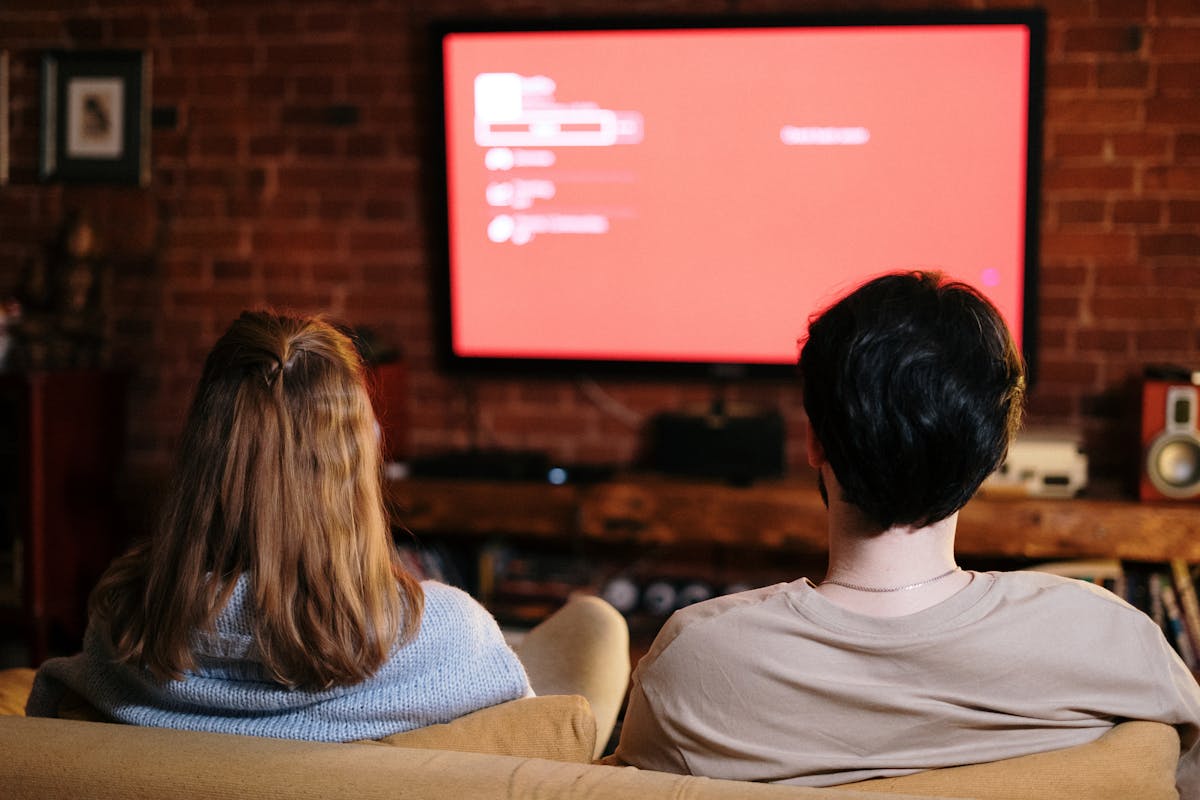
Clients often ask us: what does the process actually look like? They understand the output — polished, cinematic AI commercials. But the production journey from brief to final delivery remains opaque across most of the AI video industry.
At ArcaneWiz, we believe transparency builds trust. Here is exactly how we produce a broadcast-quality AI commercial, stage by stage.
Stage 1: Discovery and Creative Brief (Day 1–2)
Every project begins with understanding — not generating. Before a single frame exists, we need to know:
- Business objective: What action should the viewer take after watching? Purchase? Inquire? Share?
- Target audience: Who is watching, on what platform, in what context?
- Brand guidelines: Visual identity, tone of voice, competitive positioning, and any hard constraints.
- Reference material: Commercials, films, or visual styles the client admires — and explicitly does not want.
- Deliverable specifications: Formats, durations, platform requirements, and delivery timeline.
This stage produces a creative brief document that becomes the project’s north star. Every subsequent decision is evaluated against it.
Stage 2: Concept Development and Storyboarding (Day 2–3)
With the brief locked, our creative team develops two to three concept directions. Each concept includes:
- A one-paragraph narrative summary
- A visual mood board with reference imagery
- A shot-by-shot storyboard with frame descriptions, camera movements, and timing notes
- A preliminary sound direction (music genre, sound design approach)
The client reviews concepts and selects one direction, often with modifications. We refine the storyboard until every stakeholder is aligned on exactly what will be produced.
This stage is critical. A storyboard is a contract between the creative team and the client — it ensures there are no surprises in the final output.
Stage 3: Asset Generation and Directed Production (Day 3–5)
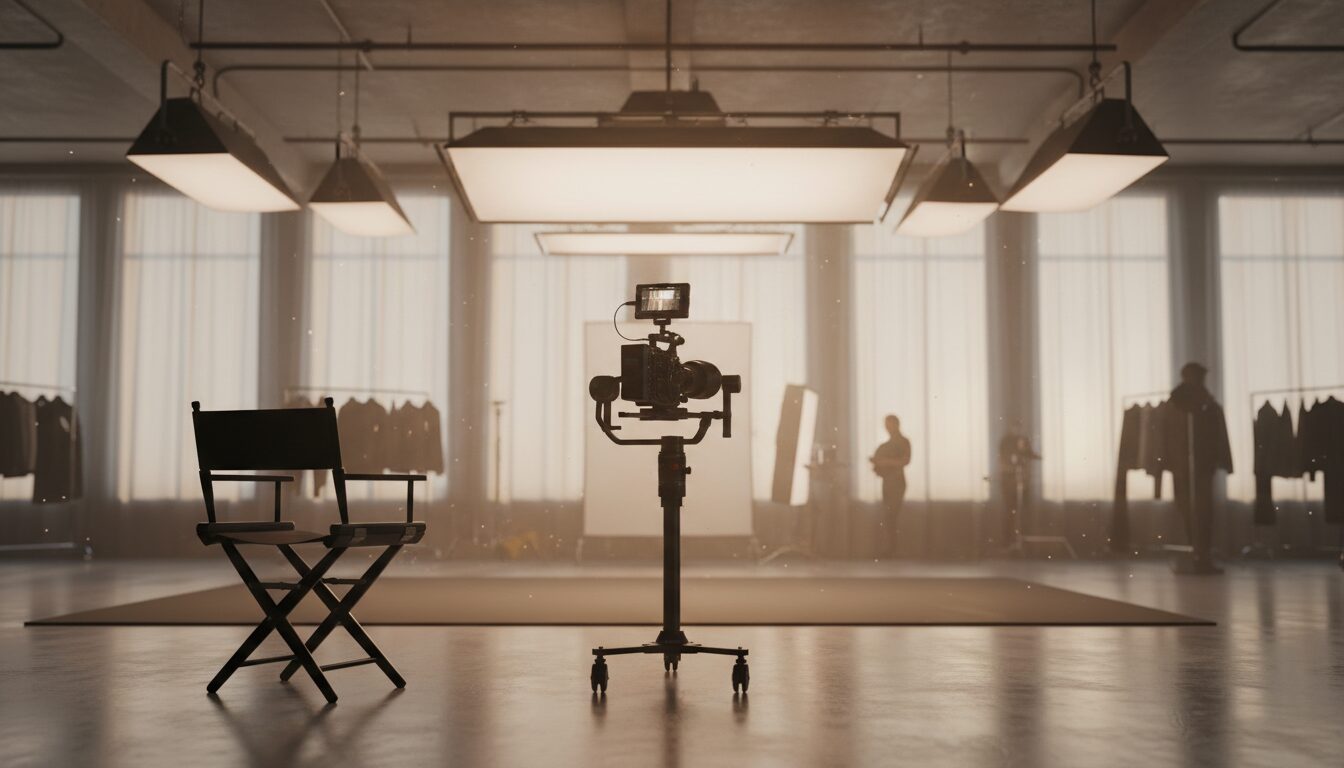
This is where AI enters the pipeline — but under rigorous creative direction.
Our production team works through the storyboard frame by frame, generating visual assets using a combination of AI models selected for the project’s specific requirements. Each generation cycle involves:
- Prompt engineering: Translating storyboard frames into precise technical prompts that specify composition, lighting, color palette, camera angle, and subject detail.
- Reference anchoring: Using approved frames as style and consistency references to maintain visual coherence across the entire piece.
- Iterative selection: Generating multiple variants per frame, with the creative director selecting and refining the output that best matches the approved storyboard.
- Motion direction: For video sequences, specifying camera movement, subject motion, and temporal flow with the same precision a DP would apply on a physical set.
A 30-second commercial typically requires 200–400 individual generation cycles across key frames, transitions, and motion sequences. This is not “click and wait” — it is intensive, directed production work.
Stage 4: Assembly and Rough Cut (Day 5–6)
Generated assets are assembled into a rough cut following the approved storyboard. This edit establishes:
- Pacing and rhythm
- Scene transitions
- Temporal flow and narrative arc
- Placeholder audio alignment
The rough cut is presented to the client for structural feedback. Are the beats landing? Does the pacing feel right? Is the narrative clear? Changes at this stage are structural — moving sections, adjusting timing, replacing sequences that are not working.
Stage 5: Color Grading and Visual Polish (Day 6–7)
With the structure locked, we move into visual finishing:
Ready to see these results for your brand? Discover how ArcaneWiz delivers broadcast-grade AI video.
- Color grading: Applying the project’s custom color profile across all frames for visual consistency and brand alignment.
- Detail correction: Addressing any artifacts, inconsistencies, or imperfections in generated frames.
- Visual effects: Adding text overlays, logo animations, transitions, or compositing elements as required.
- Frame-level quality control: Reviewing every frame at full resolution for any issues that would be visible at broadcast quality.
Stage 6: Sound Design and Music (Day 6–7, parallel)
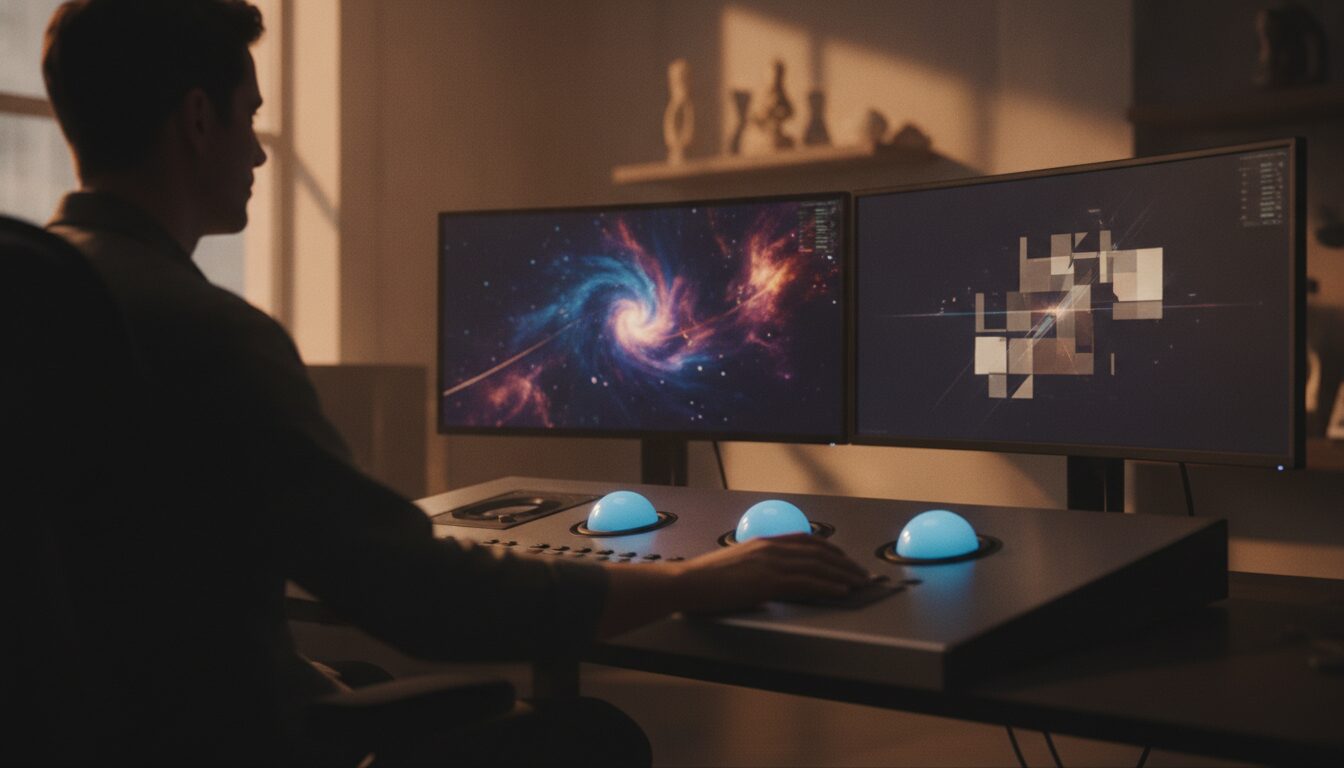
Sound production runs in parallel with visual finishing:
- Music selection or scoring: Licensed or custom music that matches the approved sound direction.
- Sound design: Ambient layers, foley effects, and transition sounds that add dimension and realism.
- Audio mixing: Balancing all audio elements and mastering for the target delivery platforms.
Stage 7: Final Review and Delivery (Day 7–8)
The finished commercial is presented to the client in all required formats. Our standard delivery includes:
- Master file (ProRes or H.265 at project resolution)
- Platform-specific exports (Instagram, YouTube, TikTok, CTV, web)
- Thumbnail and poster frame options
- One round of minor revisions included
Total timeline from brief to delivery: typically 5–8 business days for a standard 30-second commercial. Compare this to the 6–8 week timeline of traditional production.
What Makes This Process Different
Three things distinguish the ArcaneWiz production process from both traditional production and self-serve AI tools:
- Creative rigor applied to AI output. We do not accept “good enough” from AI generation. Every frame is evaluated against the storyboard and refined until it meets broadcast standards.
- Full-service production value. Sound design, color grading, editorial polish — the finishing work that self-serve tools do not provide.
- Speed without compromise. Days instead of months, but with the same deliverable quality that brands expect from traditional production partners.
See what this process produces. Explore our production packages or start your project today.
Ready to Transform Your Video Production?
Join the brands producing broadcast-grade commercials in 7–10 working days.
See ArcaneWiz Pricing
Ready to see what broadcast-grade AI production costs? Compare our Spark, Studio, and Enterprise packages.
Related Articles
- AI Video Production vs Traditional: A Complete Comparison for Brands
- 5 AI Video Case Studies: Real Results from AI-Powered Commercials
- The CMO’s Guide to AI Video Production: Budget, Timeline, and ROI
- AI Video Production for E-commerce: Scale Your Product Videos 10x
- Why Ad Agencies Are Switching to AI Video Production in 2026
Calculate Your AI Video ROI
Find out exactly how much your brand saves with Cinematic AI production. 60 seconds. No sales call.
Frequently Asked Questions
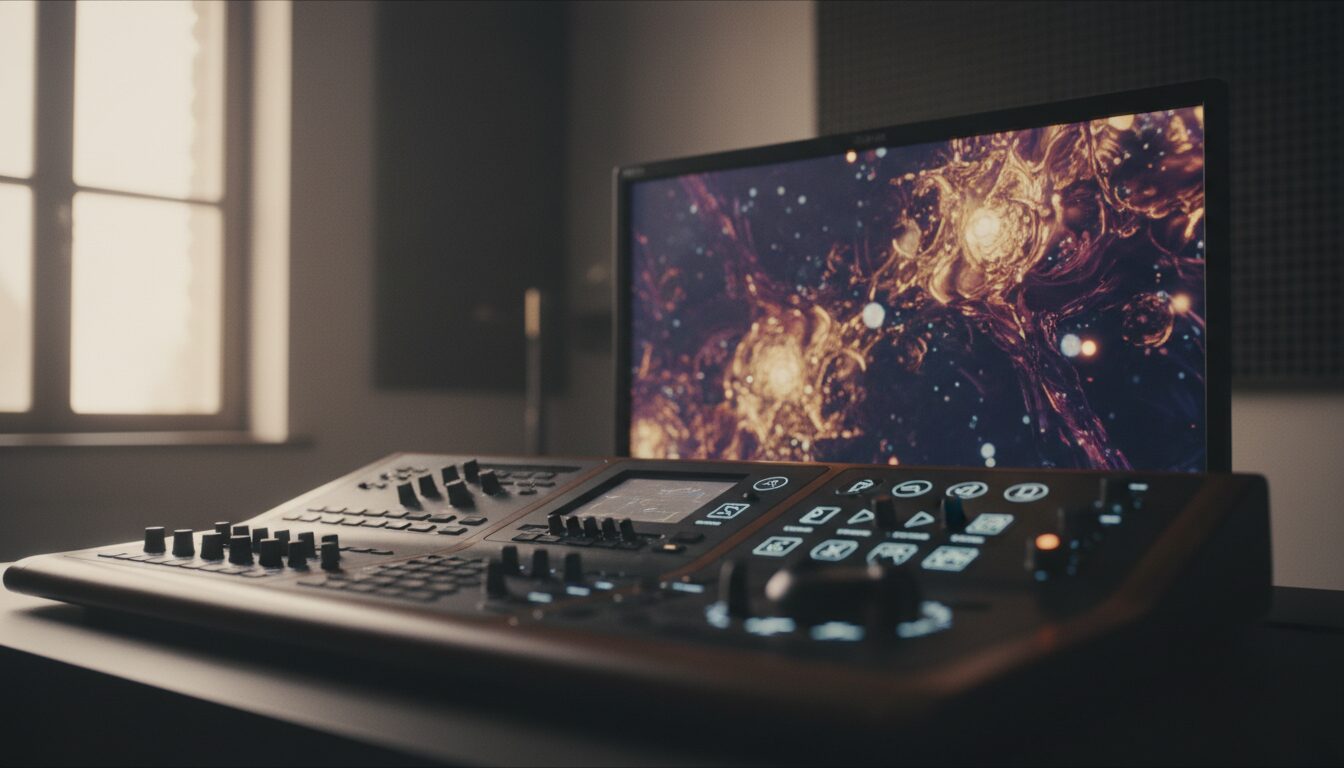
What does behind-the-scenes production look like at an AI commercial agency?
Behind the scenes, it looks like a post-production house running at speed: a director and creative team at workstations moving through visual development, shot generation, editing, grade, and sound — with review gates between each stage. There is no soundstage, but there is a rigorous pipeline and a great deal of directed judgment. See the full stage-by-stage map in the ArcaneWiz production process.
How does ArcaneWiz produce a broadcast-quality AI commercial end-to-end?
End to end, we move from approved brief to broadcast-ready cut through directed generation and professional finishing: reference frames, motion generation, editorial, color, sound, and QC — all under one director’s eye. Broadcast quality comes from the finishing discipline, not just the model. That is how our standard of 7–10 working days from an approved brief to a delivered master holds without cutting the craft steps that make it air-safe — and how our fastest logged 2026 sprint held to the same gates.
What happens in pre-production on an AI commercial?
Pre-production is where the commercial is really made: we lock the script, build a shot list, develop reference frames and a look, and agree the creative direction with the brand before a single shot is generated. Getting this right is what makes the fast generation stage predictable instead of a lottery. See how pre-pro sets up the rest of the ArcaneWiz production process.
How does day-by-day shot generation actually work?
Day to day, we generate reference frames in Midjourney to lock the look, then produce motion with Veo, Kling, and Seedance — choosing per shot for realism, continuity, or style. Each generation is reviewed against the master reference before it enters the edit; nothing is accepted blind. See a full Kling 3 broadcast-quality AI commercial to watch the shot-by-shot generation come together.
Does ArcaneWiz still use real cameras, sets, or live-action plates?
Most of our work is fully generated, but we are pragmatic: when a shot genuinely needs a real plate — a specific product, a real face, a live location — we will composite it in rather than force the model. The goal is the best frame, not purity. What stays constant is the cinematic craft applied to every shot; our breakdown of what makes an AI commercial look cinematic explains the standard.
Who is on the team producing an AI commercial?
A lean, senior team: a director leading, plus editorial, color, and sound specialists — the craft roles, without the crew logistics. ArcaneWiz, led by Daniel Atzil (20+ years in cinematography and commercial direction) keeps a filmmaker’s eye on every shot rather than handing the work to a model. See why the director still matters more than headcount on an AI commercial.
How is broadcast-quality color grading achieved on AI footage?
Broadcast-quality grading is a dedicated finishing stage, not a filter. After generation, a colorist balances every shot for consistency, sets the brand palette, adds contrast and texture, and grades for the delivery spec — the same discipline used on live-action. It is what makes a set of AI clips read as one cohesive commercial. Our breakdown of what makes an AI commercial look cinematic covers the grade in detail.
How does ArcaneWiz QC a final cut before delivery?
Every cut passes a QC gate before it ships: we check continuity across shots, watch for AI artifacts at full resolution, confirm the grade and mix hold on broadcast displays, and validate the delivery spec. Nothing goes out on the model’s word alone. That discipline is why even our fastest logged 2026 sprint stayed broadcast-safe rather than fast-and-loose.
Is an in-house AI pod a substitute for an agency’s production process?
For always-on, high-volume, low-complexity output, an in-house pod genuinely wins — it is closer to the brand and cheaper per asset. Where a studio’s process wins is hero craft, QC discipline, and broadcast approval: the work that has to be right, not just fast. Most brands need both. See what the studio layer adds in the ArcaneWiz production process before you decide where each project belongs.
Where can I see examples of ArcaneWiz’s finished work?
See finished commercials in our AI video portfolio, then read the results behind them in our AI video case studies — real brands, real briefs, and the craft decisions on each spot. Together they show both the frames and the outcomes, which is the honest way to judge a production studio before you brief one.
Ready to transform your video production?
See what broadcast-quality AI video can do for your brand.