
Most sales-enablement films are a recorded slide deck. A product manager talks for twenty minutes, the sales team plays it at double speed, and two weeks later the reps are still pitching the version of the product they understood before the release.
Making a film for a tech company? See AI video production for tech companies — investor, launch, demo and training films from $5,000, in 7–10 working days.
This guide is for sales-enablement, customer-success and product-marketing leaders at software companies who are about to commission a training film for their own people. It covers what an enablement film has to do, which topics deserve one, a structure for the first minutes, how it differs from a customer onboarding film, what to prepare, the mistakes that waste it, and the questions buyers ask first.
What a sales-enablement film has to do
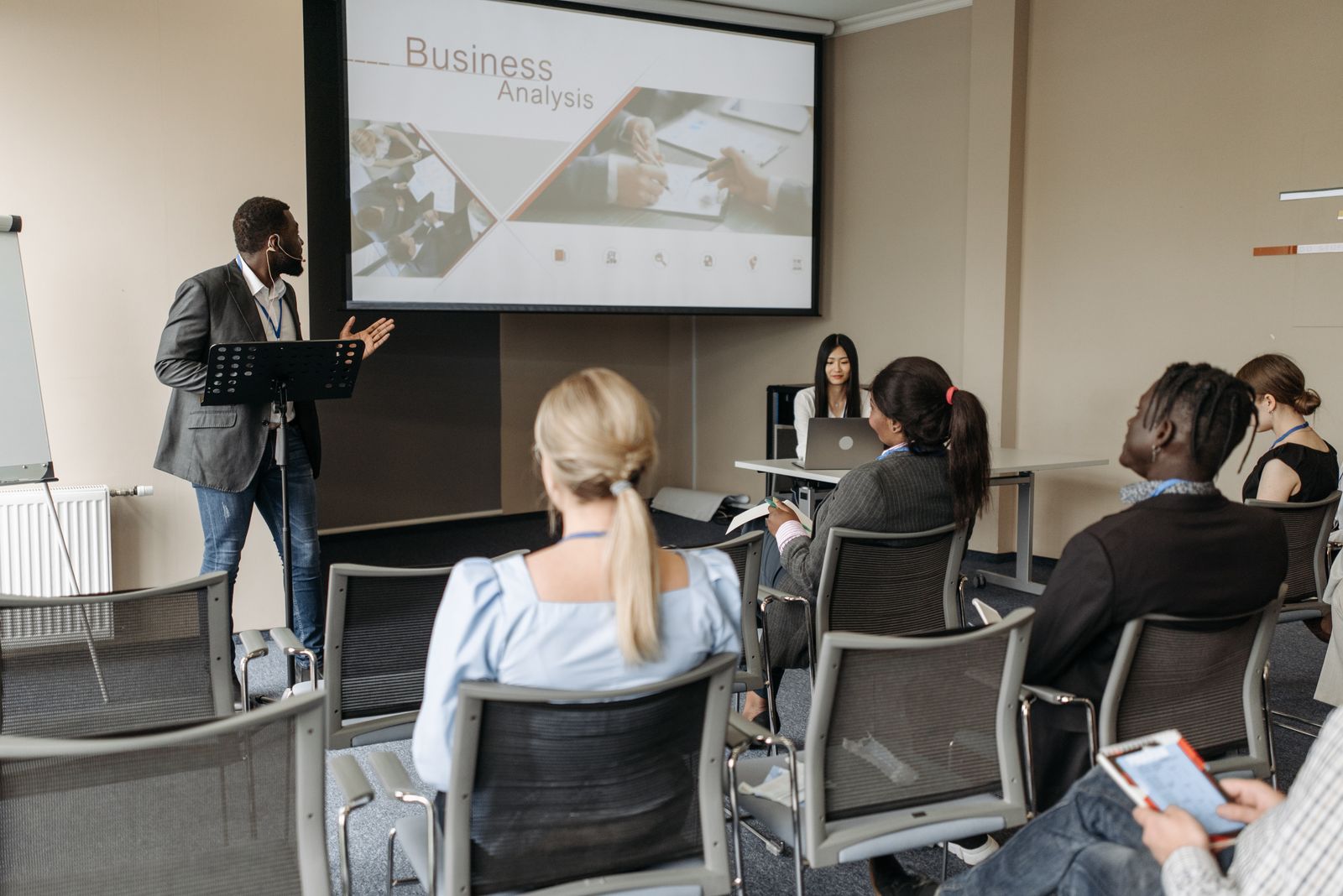
An enablement film has one job: change what a rep, a support engineer or a customer-success manager says or does in the next conversation. It is not a recording of a briefing and it is not the product tour a customer would get.
Judge the finished film against three questions. Can the viewer repeat the one idea in their own words after watching once? Did they see the situation in which they will use it, not a slide about it? Do they know what to do differently on Monday? If any answer is no, a longer film will not fix it.
Which topics deserve a film
A film costs attention on both sides, so spend it where a conversation has to change and text has not done it.
- A new positioning or message. People need to hear it said well, in a scene, before they can say it themselves.
- A release that changes the pitch. Reps and support staff must understand what is now possible and who it is for.
- A conversation that goes wrong. The objection, the handover or the escalation that your best people handle and the others do not.
- Onboarding of new hires. The same ten minutes explained again and again by the same two people is a film waiting to be made.
- Not a policy or a process that changes every quarter. A document is easier to keep current than a film.
Enablement film vs. customer onboarding film
| Sales-enablement film | Customer onboarding film | Demo film | |
|---|---|---|---|
| Audience | Your own reps, support and success teams | A new user of the product | A buyer evaluating the product |
| Job | Change what people say and do with customers | Get the user to a first result | Make one capability concrete |
| Tone | Colleague to colleague, specific and candid | Guide to newcomer | Product to buyer |
| Weak version | A recorded slide deck | A feature tour | A feature tour |
If the film is for new users of the product, see demo vs. onboarding films. For the studio’s training work in general, see our AI training video page, and for how we work with software companies, AI video production for tech companies.
A structure that holds for the first two minutes
- The moment it goes wrong. The call, the ticket or the demo where the old approach fails, in one scene that every viewer has lived through.
- The one idea. Say it plainly, once, in the words you want people to use.
- The same moment, done well. The same scene again, with the idea applied, so the viewer sees the difference rather than being told.
- The detail they will need. The exact screen, phrase or step, shown on the real product.
- What to do next. One action this week, and where to find the longer material.
Plan a short version for the weekly team meeting and a longer reference version in the same brief. Several short films that each teach one thing are used more often than one long one that teaches ten.
What stays true on screen
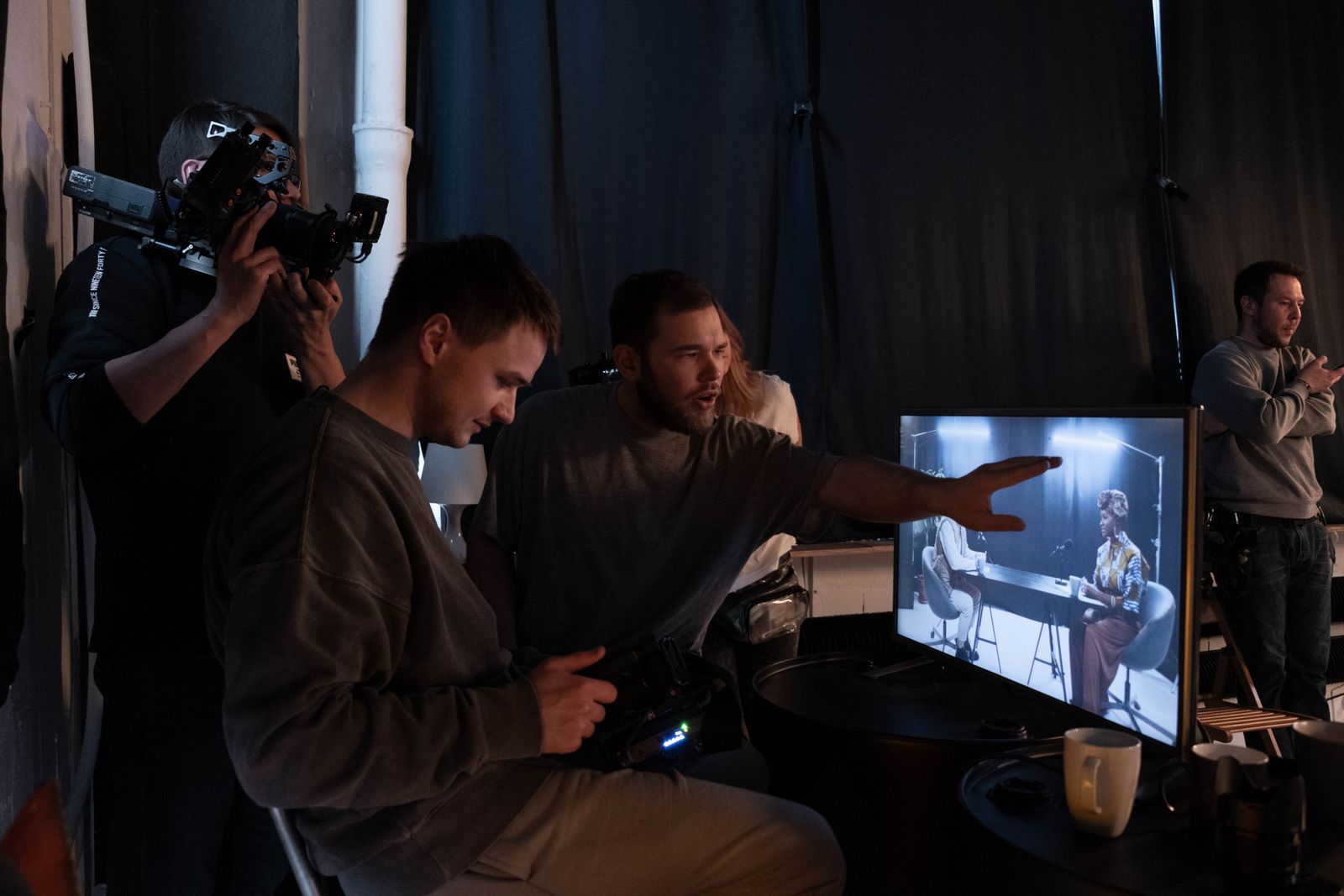
Your own people will spot a false note in seconds. We never invent a quote, a result, a customer or a credit. Scenes are written from the real situations your team describes, and the product shown is the real product.
- Use real objections. Collect the ones your team actually hears. Invented ones teach nothing.
- Every claim needs an owner. Someone on your side must be able to confirm each statement about the product.
- No comparison with named rivals. Describe the situation, not another company.
Mistakes that make enablement films useless
- Recording the briefing. A film made from a meeting is a meeting. Write it for the screen.
- Teaching ten things. One film, one idea. The others become the next film.
- Leaving out the hard part. If the film skips the objection people dread, they will not trust it.
- No place to find it. A film nobody can search for in a month is a file. Agree where it lives before it is made.
- No follow-up. A film opens a conversation. Plan the manager’s next ten minutes after it ends.
What to prepare before the brief
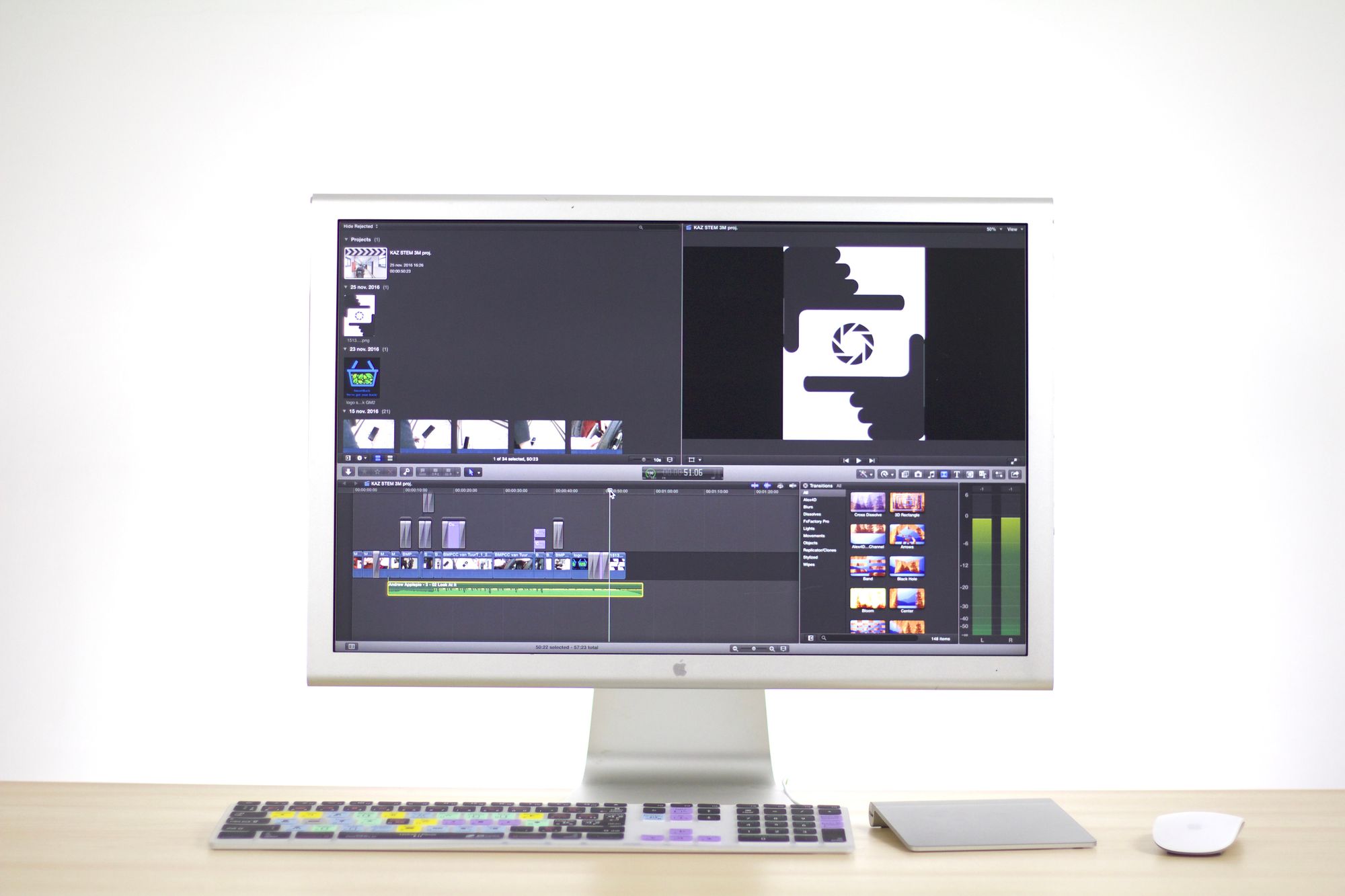
- The one change in behaviour you want, in a sentence a rep would use.
- The people it is for, and the situation where they struggle today.
- Two or three real examples of the moment going wrong, with names removed.
- Access to the real product screens, in the state people will see.
- Where the film will live and who will point people to it.
- One person on your side who can approve.
How the process works
You send the brief: the change in behaviour, the audience, the examples and the screens. Daniel and his team respond with the script and the look, and you approve them before production. Then the film is produced and you review the cut. Delivery is 7–10 working days from approved brief.
The step that most often adds time is a second reviewer who appears after the script is approved. Bring everyone who has a say to the brief stage.
What it costs
Tech-film work starts from $5,000. See the pricing page for what is included.
Frequently asked questions
How long should a sales-enablement film be?
As long as it takes to teach one idea. Plan a short cut for team meetings and a longer reference cut in the same brief.
Is this the same as a customer onboarding film?
No. An enablement film is for your own people and changes what they say and do with customers. An onboarding film helps a new user get a first result.
Do you need our real product screens?
Yes. We work from the real screens in the state your people will see, so nobody opens the product and finds something different.
Can you use our real objections and call examples?
Yes, and it works better. Send them with names removed and we write the scenes from them.
Can we make a series of short films?
Yes. Several short films that each teach one idea are usually used more than one long film. Plan the series in the brief.
What do you need from us to start?
The behaviour you want to change, the audience, real examples, the product screens, where the film will live and one approver.
How long does it take?
Delivery is 7–10 working days from approved brief.
What does it cost?
Tech-film work starts from $5,000. See the pricing page for what is included.
Who approves the film on our side?
One person who can say yes to the script, the look and the cut. Bring every other stakeholder in at the brief stage so approval does not slow the film.
Can we update the film when the product changes?
Plan for it in the brief. Keeping each film to one idea makes later updates smaller.
Next step
Write down the one thing you want your team to say or do differently, and the situation where they struggle today. Then tell Daniel and his team about both. Start a project.