Your ad on the biggest screen: Which streaming platforms work for brands in 2026, what they cost, and what the ad needs
Half of US TV time is now streaming. The ad has to work from across the room.
Book a discovery callFind where to test first
Platform figures, specs and prices read on each source’s own page on 22 November 2026.
- YouTube on TV15.8% of all US TV viewing in August 2026, the most of any platform
- Netflix250M+ monthly viewers on its ads plan, in 12 countries
- Prime Video315M+ average monthly ad-supported reach, in 16 markets
- Disney+, Hulu, ESPN+157M ad-supported monthly users (January 2025)
- RokuSelf-serve: $500–$1,000 to get a first campaign live
- Pause adsA still image when the viewer pauses; YouTube sells them in 37 countries
The short answer
The streaming platforms that work for most brands in 2026 are YouTube on TV for reach and low entry cost, Netflix, Prime Video and Disney for premium reach, and Roku for small self-serve tests in the US. Streaming took 49.6% of US TV time in August 2026, with YouTube alone at 15.8% 1. Start where your customers can be reached, with a spot made for the TV screen, and measure lift, not clicks.
- Netflix’s ads plan runs in 12 countries and reaches over 250 million monthly viewers, by its own count 4 5.
- Prime Video ads run in 16 markets, with more than 315 million average monthly ad-supported reach 6.
- Roku says $500–$1,000 is enough to get a first campaign live; Amazon’s managed service typically starts near $50,000 10 7.
- TV ads need a 16:9 master of at least 1920×1080, and no “click here”: a viewer cannot click a TV 8.
- Google shows QR codes on TV screens for you; do not burn one into the video 12.
What is streaming TV advertising?
Streaming TV advertising, usually called CTV for connected TV, puts video ads into what people watch on a television through the internet: a smart TV app, a streaming stick, a games console. It looks like a TV commercial, a 15- or 30-second spot on the biggest screen in the house, but it is bought like digital advertising, by audience and by the thousand impressions, often through the same tools as online video.
The share of viewing behind it keeps growing. In Nielsen’s count for August 2026, streaming took 49.6% of all US TV usage, against 18.9% for cable and 17.5% for broadcast 1.
- CTV
- Ads seen on a TV screen through an internet-connected device
- OTT
- Video delivered over the internet, on any screen; CTV is the TV-screen part
- AVOD and FAST
- Free or cheaper services paid for by ads; FAST are free channels that play like TV
- Sold by
- CPM, the price of a thousand impressions, bought direct or through a DSP
How big is streaming TV for advertisers?
Half of US TV time, and the fastest-growing slice of video budgets.
- 49.6%of US TV time was streaming in August 2026 1
- 15.8%of US TV time was YouTube, the largest single platform 1
- 7.7%of US TV time was Netflix 1
- 15.6%forecast growth in US CTV ad spending in 2026 2
The money is following the viewers. The IAB raised its 2026 forecast for US connected TV ad spending to growth of 15.6%, while linear TV is expected to shrink by 1.5% 2. Digital video is set to pass 60% of all US TV and video ad spending for the first time in 2026, helped by sports moving to streaming: the NBA on Amazon, the NFL on Peacock and Netflix 3.
YouTube’s place in that picture surprises many advertisers. It is not only a phone app: in August 2026 it was the most-watched platform on US television screens, with 15.8% of all TV time, about twice Netflix’s 7.7% 1.
The rule behind every choice below
On a TV, nobody scrolls past the ad. They judge it from across the room.
Which streaming platform fits your goal?
Six ways onto the TV screen. Choose what you want most to see which fit.
- YouTube on TVGoogle Ads, TV screens
- Netflixdirect deals, or DSPs
- Prime VideoAmazon Ads
- Disney+, Hulu, ESPN+Disney Advertising
- RokuRoku Ads Manager
- Local servicesoperators and broadcaster apps
Your goal, and the platforms built for it
- Start with
- YouTube on TV and one big streamerYouTube on TV, or Roku Ads Manager in the USPrime Video ads, or YouTube on TV with QR codesYouTube on TV, then the local operators
- Expect to pay
- Reported CPMs in the $30s and $40s (2023)Roku: $500–$1,000 to go liveAmazon managed service: about $50,000Your budget; ask each service for its rate card
- How you buy
- Direct with the platform, or through a DSPSelf-serve ad managersAmazon Ads; Google AdsGoogle Ads; the operator’s sales house
- Watch for
- The same home seeing you on every platformA vertical feed ad stretched onto a TVAttribution windows and household matchingWhich ad plans actually run in your country
Figures from each platform’s own page; sources numbered at the end.
Most brands need two of these, not six. One platform with reach and an entry point you can afford, usually YouTube on TV, and one premium streamer when the budget and the market allow. The rest is a question of where your customers are: Netflix and Prime Video sell ads only in the countries where their ad plans run 5 6.
What does each streaming platform offer advertisers?
Reach as each platform reports it, where ads run, and how you buy.
Streaming platforms for brand advertisersFrom each platform’s own figures
| Platform | Reach, as the platform counts it | Where ads run | How you buy |
|---|---|---|---|
| YouTube on TV | 15.8% of US TV time, August 2026 (Nielsen) 1 | Wherever YouTube sells ads | Google Ads, with TV screens as a device type 11 |
| Netflix | 250M+ monthly active viewers 4 | 12 countries; 15 more from 2027 5 4 | Direct, or programmatic through Amazon DSP and Yahoo DSP 4 |
| Prime Video | 315M+ average monthly ad-supported reach 6 | 16 markets; 4 more in 2026 6 | Amazon Ads; managed service typically $50,000+ 7 |
| Disney+, Hulu, ESPN+ | 157M monthly users, not de-duplicated (January 2025) 9 | Where Disney’s ad plans run | Disney Advertising, direct or programmatic |
| Roku | Not given in these sources | Where Roku Ads Manager runs | Self-serve; $500–$1,000 to go live 10 |
Read the reach figures as each company’s own measure, not as comparable numbers. Netflix counts monthly active viewers: members who watched at least a minute of ad-supported content in the month, multiplied by an estimated household size 5. Disney adds users across its apps without removing people who use more than one, at an average of 2.6 users per account 9. Amazon gives an unduplicated monthly average for September 2024 to August 2025 6.
Netflix also makes a reach argument of its own: 44% of members who see an ad on Netflix never saw it on broadcast TV or other streamers, by its count 4. It is a claim worth testing in your own campaign, with a reach report across platforms.
Where should your first streaming TV test run?
Four answers about your campaign. The shortlist changes as you change an answer.
Find where to test first
Answer for the first campaign. You can add platforms once you know what works.
Start with
A rule of thumb from where each platform sells and what it costs to start, not a ranking.
How much does streaming TV advertising cost?
Sold by the thousand impressions. What it costs to start differs a hundred times over.
What you pay, and for whatFrom each platform’s own page, and press reports
| Where | How the price works | What is published |
|---|---|---|
| YouTube on TV | Your budget; on skippable ads you pay when a viewer watches 30 seconds, or the whole ad if shorter 19 | No minimum stated in these sources |
| Roku Ads Manager | Dynamic CPM, with a maximum bid you set; pay as it delivers 10 | $500–$1,000 enough to go live 10 |
| Amazon (Prime Video) | CPM; self-service or managed 7 | Managed service typically $50,000 minimum 7 |
| Prime Video, reported | Mid-$30s CPM guaranteed, low $30s preemptible 16 | Agency reports, October 2023 |
| Netflix, reported | Low-$40s CPM for 30 seconds, high $30s for 15 16 | Agency reports, October 2023 |
The reported CPMs are three years old and were negotiated prices; ask for current rates before you plan.
Worked example: a $10,000 test at a $35 CPM
- Media budget
- $10,000
- CPM, as reported for Prime Video in 2023
- $35
- Impressions bought
- about 285,700
- Frequency you aim for
- 3 per household
- Households reached, roughly
- about 95,000
Plain arithmetic on a reported price 16: budget ÷ CPM × 1,000, then ÷ frequency. Your CPM depends on audience, country and season. The spot is separate: ArcaneWiz makes TV-ready spots from $3,000.
AI video ad cost by platformHow video production is pricedArcaneWiz pricing
What does a streaming TV ad need technically?
A broadcast-grade master. Amazon’s spec is a fair baseline; check each platform’s own.
Streaming TV and Prime Video specAmazon Ads
| Item | Requirement |
|---|---|
| Aspect ratio | 16:9 8 |
| Frame size | At least 1920 × 1080 8 |
| File | MP4, H.264 video, AAC audio, up to 500 MB 8 |
| Frame rate | 23.976 (recommended), 24, 25 or 29.97 fps, constant 8 |
| Video bitrate | At least 15 Mbps for Prime Video; 50 recommended 8 |
| Audio | 192 kbps or more, 44.1 or 48 kHz, two channels or more 8 |
| Length | Prime Video US: 15, 30, 45 or 60 seconds 8 |
The picture
Make a true 16:9 master. Amazon strongly discourages letterboxing and pillarboxing 8, and it links a safe-zone guide so text and logos stay clear of the edges some TVs crop. Type has to be read from a sofa three metres away: fewer words, bigger.
The sound
On a TV the sound plays through the room. Amazon’s floor is AAC at 192 kbps or more, 44.1 or 48 kHz, in stereo or more 8. Each platform also sets a loudness target for its ads; ask for it and mix to it, so the spot is neither swallowed nor shouting.
The call to action
A viewer cannot click a television. Amazon says non-interactive ads should not include calls to action that encourage clicking 8. Google can show a QR code next to the ad on TV screens and generates it for you; it asks advertisers not to embed QR codes in the video file 12.
The versions
Cut a 30-second master and a 15-second version from one edit, and plan a still for pause ads: YouTube asks for an image of 1,080 to 1,350 pixels a side, PNG or JPG, up to 2 MB 13. Keep the vertical social cuts for the feed.
How is a TV spot different from a social ad?
Same brand, different room. Five things the TV version needs.
A social ad
- Vertical, held in one hand
- Has to stop a thumb in the first second
- Captions do the talking
- A tap takes the viewer to the site
The brand early
The name or the product in the first seconds, and again at the end; on YouTube some ads are skippable 19.
One idea
Fifteen or thirty seconds hold one thought. The second idea is the second spot.
Type for the room
Large, few words, inside the safe area 8.
An action without a click
A QR code the platform generates, or send to phone 12.
A still that works paused
The frame you would hang on a wall, for pause ads 13.

How do you make a TV spot with AI?
Seven steps from brief to platform versions. Two of them end with your sign-off.
From brief to every platform
- BriefThe one idea, the audience, the platforms
- You approveScriptFifteen and thirty seconds, read aloud
- You approveStyle framesThe look, the product, the type, fixed
- ScenesGenerated and directed shot by shot
- SoundVoice, music and a mix for the TV
- Master16:9, 1080p or 4K, to spec
- Versions30 s, 15 s, a pause still, social cuts
The two sign-offs save the budget: a line changed in the script costs minutes, and a look fixed on a style frame keeps the product the same in every shot. Generative tools make scenes that once needed a shoot, which is why a TV-grade spot no longer needs a TV-sized production budget.
ArcaneWiz delivers a TV-ready master and its versions in 7–10 working days from an approved brief, from $3,000 a project.
How do you measure a streaming TV campaign?
Clicks are the wrong yardstick for a screen nobody clicks. A TV campaign is measured by who it reached, how often, and what changed afterwards: recall, searches for the brand, visits from the QR code, and sales where the data can connect them.
What to measure, and whereFrom each platform’s own pages
| Question | How to answer it |
|---|---|
| How many homes, how often? | The platform’s reach and frequency reports; Netflix offers Audience Insights and Reach Curve APIs 4 |
| Did people remember it? | A Brand Lift study on YouTube, from $5,000 over 10 days for one question 14 15 |
| Did they search for us? | Search Lift, also reported for YouTube Pause ads 13 |
| Did they act? | QR scans and send-to-phone visits, tagged so analytics can see them 12 |
| Too many repeats? | Frequency across platforms; Netflix is testing frequency caps 4 |
Below the lift-study minimums, compare regions: run the campaign in some areas and not others, and watch branded searches, direct visits and sales in both. It is rough, but it measures what changed, not what was clicked.
Can you advertise on streaming TV outside the US?
Yes, but the list of platforms shrinks country by country. Netflix’s ads plan runs in 12 countries, with 15 more from 2027, among them Austria, Belgium, Denmark, Ireland, the Netherlands, Poland, Sweden and Switzerland 5 4. Prime Video ads run in 16 markets, from Australia and Brazil to Japan and the UK, with Belgium, Denmark, Norway and Turkey added in 2026 6. YouTube Pause ads are sold in 37 countries 13.
Outside those lists, YouTube on TV through Google Ads is usually the first route, with TV screens as a device type next to computers, phones and tablets 11. The second is local: the operators and broadcasters of each market sell ads in their own streaming apps. In Israel, for example, yes began showing ads before VOD on yes+ and STING+ on 10 May 2026, sold and run by RGE and Taboola 17 18.
Check each platform’s country list before you plan: the ad plan, not the service, decides where you can buy.
What are the most common streaming TV mistakes?
Six that waste a TV budget. Turn each card for the fix.
Format
The vertical social ad on a TV
The fix
Bars on both sides and type for a phone. Make a 16:9 master of at least 1920×1080 8.
QR
A QR code burned into the video
The fix
Google asks you not to embed one; it generates its own on TV screens only 12.
Reach
Adding up reach claims
The fix
Each platform counts differently; Disney’s figure is not de-duplicated 9. Ask for reach across platforms.

What do the terms mean?
- CTV (connected TV)
- A television that streams over the internet, through a smart TV app, a stick or a console.
- OTT
- Video delivered over the internet on any screen; CTV is the part watched on a TV.
- AVOD
- Advertising-based video on demand: a free or cheaper plan paid for by ads.
- FAST
- Free ad-supported streaming TV: free channels that play like broadcast, with ads.
- CPM
- The price of a thousand ad impressions.
- DSP
- A demand-side platform, software for buying ads across many publishers; Netflix sells through Amazon DSP and Yahoo DSP 4.
- Pause ad
- A still image shown when the viewer pauses; on YouTube it appears 10 seconds after a pause, on TV screens only 13.
- Frequency
- How many times the same household sees the ad.
- Brand Lift
- Google’s survey-based measure of how much an ad changed recall and other brand metrics 14.
- Upfront
- The yearly season when TV and streaming companies sell ads ahead for the coming year.
When should a studio make your TV spot?
When the spot has to look like it belongs on the biggest screen.
A social cut, re-exported
- Fast and free
- Wrong shape and wrong type size for TV
- A tap-based call to action that cannot work
- Fine for a first look at YouTube on TV
A spot made for TV
- A 16:9 master to spec, with 15- and 30-second versions
- A pause-ad still and the social cuts from the same edit
- ArcaneWiz: from $3,000 a project
- 7–10 working days from an approved brief

Frames from the studio’s films
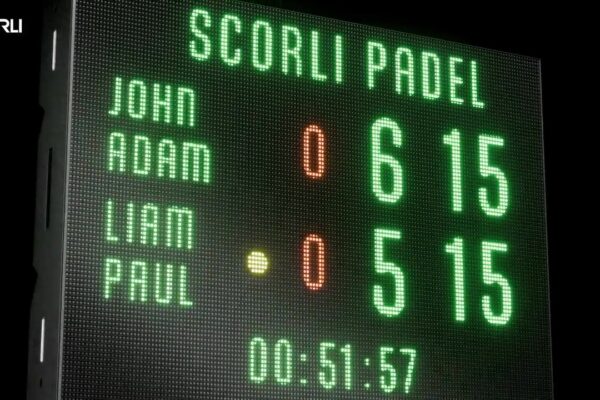
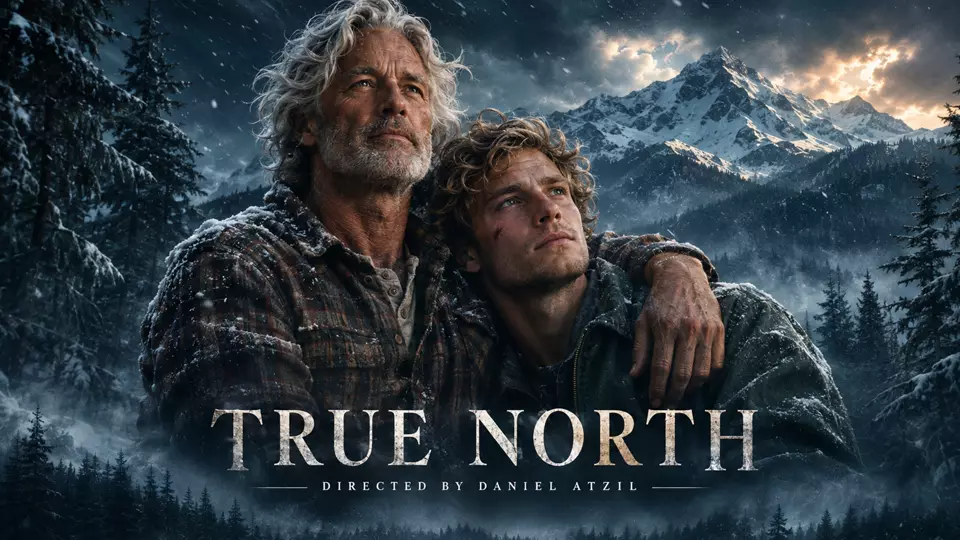
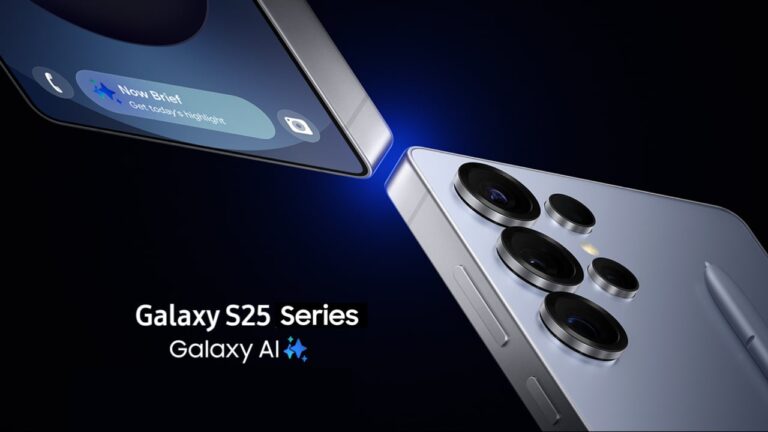
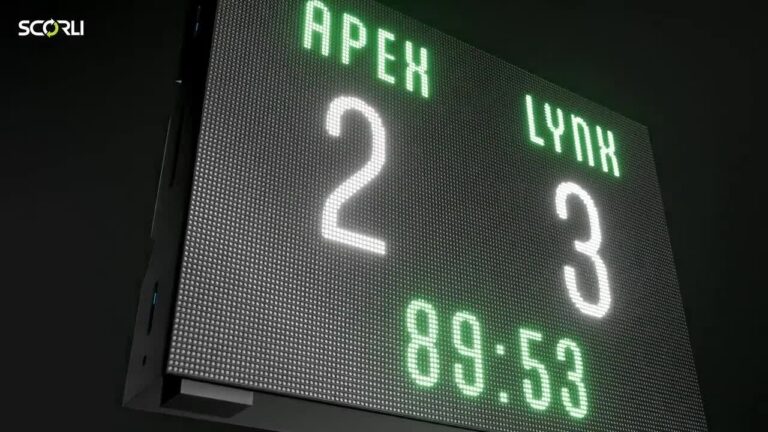
Samsung, proteanTecs, Scorli and TRUE NORTH, directed by Daniel Atzil and his team.

Samsung Galaxy S25 proteanTecs Scorli TRUE NORTH 
proteanTecs Scorli 
TRUE NORTH proteanTecs






Questions and answers: what else do advertisers ask about streaming TV?
Which streaming platform is best for advertising a brand?
There is no single best one. YouTube on TV has the largest share of US TV time, 15.8% in August 2026, and a low entry point through Google Ads. Netflix, Prime Video and Disney sell premium reach in the countries where their ad plans run. Roku suits small self-serve tests in the US. Most brands start with two.
How much does it cost to advertise on streaming TV?
It is sold by CPM, the price of a thousand impressions. Roku says $500 to $1,000 is enough to get a first campaign live; Amazon’s managed service typically needs about $50,000. Agencies reported Prime Video at mid-$30s CPMs and Netflix in the low $40s in October 2023; ask for current rates.
Can small businesses advertise on Netflix?
Not easily on their own. Netflix sells ads directly and through demand-side platforms such as Amazon DSP and Yahoo DSP, and does not publish a self-serve minimum in its upfront announcement. A small business usually tests on YouTube on TV or, in the US, Roku Ads Manager first.
Where does Netflix sell ads?
In the 12 countries where its ads plan runs, with 15 more from 2027: Austria, Belgium, Colombia, Denmark, Indonesia, Ireland, the Netherlands, New Zealand, Norway, Peru, the Philippines, Poland, Sweden, Switzerland and Thailand. Netflix says the plan reaches over 250 million monthly active viewers.
Where do Prime Video ads run?
In 16 markets: Australia, Austria, Brazil, Canada, France, Germany, India, Italy, Japan, Mexico, the Netherlands, New Zealand, Spain, Sweden, the UK and the US, with Belgium, Denmark, Norway and Turkey added in 2026. Amazon reports more than 315 million average monthly ad-supported reach.
What specs does a streaming TV ad need?
Use Amazon’s as a baseline: 16:9, at least 1920 × 1080, MP4 with H.264 and AAC audio, a constant 23.976 to 29.97 frames a second, at least 15 Mbps for Prime Video, and 15, 30, 45 or 60 seconds in the US. Avoid letterboxing. Each platform publishes its own spec, so check before you deliver.
Can I use my Instagram or TikTok ad on a TV?
You can, but it will not look right. A vertical ad on a TV plays with bars on both sides, its type was sized for a phone, and a tap call to action cannot work. Make a 16:9 master for the TV and keep the vertical cuts for the feed.
How do QR codes work in TV ads?
On YouTube, Google can show a QR code next to the ad on TV screens, with a call to action and a send-to-phone button for signed-in viewers. Google generates the code and asks advertisers not to embed QR codes in the video file. The code appears only on connected TVs.
What are pause ads?
A still image shown when the viewer pauses. On YouTube it appears 10 seconds after a pause, on TV screens only, is bought through Google Ads reservation campaigns in YouTube Select lineups, and is sold in 37 countries. The image should be 1,080 to 1,350 pixels a side, PNG or JPG, up to 2 MB.
How do you measure a streaming TV campaign?
By reach, frequency and what changed afterwards, not by clicks. Use the platform’s reach reports, a lift study such as Google’s Brand Lift for recall, Search Lift or branded searches, and QR or send-to-phone visits tagged for analytics. Below lift-study budgets, compare regions with and without the campaign.
Is YouTube on a TV really streaming TV advertising?
Yes. In Nielsen’s August 2026 count, YouTube was the most-watched platform on US television screens, with 15.8% of all TV time. In Google Ads, TV screens are a device type next to computers, phones and tablets, so a video campaign can target them or report on them.
Can Israeli advertisers buy streaming TV ads?
Yes, through fewer doors. Netflix’s and Prime Video’s ad plans are not in Israel, and YouTube Pause ads are not sold there. YouTube on TV through Google Ads is available, and yes has shown ads before VOD on yes+ and STING+ since 10 May 2026, sold by RGE and Taboola.
How long should a streaming TV ad be?
Fifteen or thirty seconds for most campaigns. Prime Video in the US takes 15, 30, 45 or 60 seconds. On YouTube skippable ads, the advertiser pays when a viewer watches 30 seconds, or the whole ad if it is shorter, so a 30-second spot that has said everything by then wastes nothing.
Can an AI-generated commercial run on streaming TV?
Yes, if it meets the spec and the platform’s ad policies like any other spot. What matters is the master: a true 16:9 file of at least 1080p, a mix to the platform’s loudness target, and type sized for a TV. Generative tools make the scenes; direction makes them consistent from shot to shot.
Sources
Read on 22 November 2026. Platforms change their figures, markets and specs; the dates are on each page.
- Nielsen, “TV viewing cools off in Nielsen’s August Gauge reports” (22 October 2026)
- IAB, “IAB Raises 2026 U.S. Ad Spend Forecast to +12.3% YoY Growth” (10 September 2026)
- IAB, “U.S. Digital Video Ad Spend to Surpass $80B in 2026”
- Netflix, “Netflix Upfront 2026: Get Closer” (13 May 2026)
- TheWrap, “Netflix ad tier monthly active viewers update, upfronts 2026” (May 2026)
- Amazon Ads, “Prime Video advertising 2026” (17 March 2026)
- Amazon Ads, FAQ
- Amazon Ads, “Streaming TV & Prime Video ad specs”
- TheWrap, “Disney’s ad-supported monthly active users hit 157 million globally” (8 January 2025)
- Roku Advertising, “How much does it cost to advertise on Roku?” (25 February 2026)
- Google Ads Help, “Launching new TV screens device category”
- Google Ads Help, “About QR codes for Connected TV”
- Google Ads Help, “About YouTube Pause ads in Google Ads reservation campaigns”
- Google Ads Help, “About Brand Lift”
- Google Ads Help, “Set up Brand Lift”
- Digiday, “The prices Amazon is pitching to advertisers for Prime Video” (25 October 2023)
- ynet, “yes תשלב פרסומות החל מ-10 במאי” (5 April 2026)
- Bizportal, yes, RGE and Taboola agreement (9 September 2025)
- Google Ads Help, “Skippable in-stream ads”
Further reading on this site
A spot for the biggest screen needs a director.
Tell Daniel Atzil and his team where your ad will run. You get a fixed scope and a fixed price, from $3,000, before any work starts, and a TV-ready master with its versions in 7–10 working days from an approved brief.