The brief, part by part
- Send with it
- Brand guidelines, past ads, films you like and do notProduct access, the flows to show, the UI copyThe deck, the numbers you can show, the logos you may use
- The studio sends back
- Questions, a scope, a schedule and a price
- Never leave out
- A budget range and the go-live date
A structure, not a form to fill in word for word; sources for every figure are numbered at the end.
How to write a video production brief: A template, what studios need, and quotes you can compare
One page decides the price, the schedule and the film. Write it before you call anyone.
Book a discovery callFind who should make it
Industry research, union rules and AI disclosure rules read on each source’s own page on 22 November 2026.
The short answer
A video production brief tells a studio what the film must achieve, for whom, with what message, in which versions, by when, for how much, and with which rights. Write it on one page before you ask for quotes, send the same brief to every studio, and include a budget range and the go-live date, so the quotes come back for the same job and can be compared.
- In the BetterBriefs survey, 80% of marketers thought they wrote good briefs; 10% of agencies agreed 1.
- Respondents estimated that 33% of marketing budgets are lost to poor briefs and misdirected work 1.
- List every deliverable: lengths, shapes such as 16:9, 4:5 and 9:16, captions and languages 8 9 10.
- State the rights: which media, which countries and for how long the film may run 3.
- Say whether AI may be used and whether real people or places appear; EU disclosure rules apply from 2 August 2026 5.
What is a video production brief?
A video production brief is the document you send a studio before it quotes or starts work. It says what the film must do, for whom, with what message, in which versions, by when, for how much and with which rights. The studio answers with questions, then a scope, a schedule and a price; once you approve those, the brief becomes the yardstick every later decision is measured against.
It is not a script. Writing the script is part of the job you are hiring for, and a brief that dictates every shot leaves the studio nothing to bring. It is also not a wish list: everything in it should be something you would be willing to approve or reject the finished film on.
- A creative brief
- The problem, the audience and the message; it starts the idea
- A production brief
- The creative brief plus deliverables, budget, dates and rights; it starts a quote
- A request for proposal
- A production brief sent to several studios, with how you will choose
- A treatment or script
- What the studio sends back once the brief is agreed
Why does the brief matter so much?
Because the people who write briefs and the people who read them disagree about them.
- 33%of marketing budgets, by respondents’ estimate, lost to poor briefs and misdirected work 1
- 80%of marketers think they write good briefs 1
- 10%of creative agencies agree that marketers’ briefs are good 1
- 69%of marketers say rebriefs happen too often; 73% of agencies agree 1
The numbers come from the BetterBriefs Project, a survey of more than 1,700 marketers and agency staff in over 70 countries, promoted by the IPA 1. The gap is starkest on strategy: 78% of marketers said their briefs give clear strategic direction, and 5% of agencies agreed 1. The 33% is an estimate by the people surveyed, not an audit, but it is the same people on both sides of the table saying it.
Almost everyone agrees on the stakes. 89% of marketers and 86% of agencies said it is hard to produce good creative work without a good brief 1. In video, a weak brief shows up as three quotes for three different films, a first cut nobody expected, and rounds of changes that the schedule and the budget did not allow for.
The rule behind every part of the brief
A studio can only quote what you wrote down, and only make what you agreed.
What should a video brief include?
Thirteen lines on one page. Copy the template and fill it in for your film.
A one-page video production brief
PROJECT      [name] · [company] · [your name, role, email]
DATE         [today] · quotes due by [date]

1. OBJECTIVE     What should change after people watch?
                 [one sentence: awareness, sign-ups, a sale, a vote of confidence]
2. AUDIENCE      Who watches, where, and what do they think now?
3. MESSAGE       The one thing they must remember, and why it is true
4. MANDATORIES   Logo, product shots, legal lines, words to avoid
5. REFERENCES    2 or 3 films you like, 1 you do not, and why

6. DELIVERABLES  Master: [length] · Cut-downs: [lengths]
                 Shapes: [16:9 · 4:5 · 9:16 · 1:1] · Captions: [languages]
7. WHERE IT RUNS [site · LinkedIn · Meta · YouTube · TV · events]
8. RIGHTS        Media [ ] · Countries [ ] · How long [ ]
9. AI            May the studio use AI? Real people or places shown?

10. BUDGET       [range, before tax] · media budget separate: [yes/no]
11. DATES        Kickoff [ ] · first cut [ ] · goes live [ ]
12. APPROVALS    Who signs off at each stage: [names]
13. WE CHOOSE BY [price · fit · samples · speed · rights]
Send the same brief to every studio you ask, on the same day.
The why: objective and audience
One sentence for the objective, and make it a change: “mid-size IT buyers in Germany know who we are”, not “a cool brand video”. The audience line says who watches, where they meet the film, and what they believe now, because the film has to move them from there.
The what: message, mandatories, references
One message, with the reason it is true. Then the things that must be in it (the logo, a product shot, a legal line) and the things that must not. Two or three reference films and one you dislike tell a studio more about taste than a page of adjectives.
The how much: deliverables, budget, dates
Every file you need, by length, shape and language, and where each will run. A budget range before tax, with the media budget kept separate. The go-live date, and the dates by which you need to see a first version.
The who: rights, AI, approvals
Where the film may run, in which countries and for how long; whether the studio may use AI and whether real people or places appear; and the names of the people who will approve each stage, so the studio knows whose opinion ends the discussion.
How does each part change the quote?
Every line in the brief moves the price, the schedule or both.
What each part of the brief decidesHow studios read it
| Part | What to write | What it changes in the quote |
|---|---|---|
| Objective | One change you want, in one sentence | The idea and the kind of film proposed |
| Audience | Who, where, what they think now | Tone, length and where the effort goes |
| Message | The one thing to remember, with proof | The script; vague messages mean more rounds |
| Deliverables | Every length, shape and language | Editing time; each version is work |
| Where it runs | Site, social, TV, events | Specs, and the rights the price includes |
| Rights | Media, countries, term | Licences for music, voices and actors |
| AI | Allowed or not; real people or places | Method, schedule and disclosure work |
| Budget | A range before tax | What is possible; without it, quotes are guesses |
| Dates | First cut and go-live | Whether rush work, and its cost, is needed |
| Approvals | Who signs off at each stage | How many rounds to plan for |
The two lines most often left out are the ones that move a quote most: the budget range and the deliverables. Without them a studio has to guess the size of the job, and three studios will guess three different sizes. The quotes then compare their guesses, not their work.
Who should make your video?
Four answers about your film. The shortlist changes as you change an answer.
Find who should make it
Answer for the film in your brief. The kind of producer you send it to decides what comes back.
Send the brief to
A rule of thumb from what each kind of producer is built for, not a ranking.
Which deliverables should the brief list?
Every file you will need, because every version is work. A deliverable is defined by its length, its shape, its language and its captions; a brief that says “a 60-second video and some social cuts” leaves each studio to decide how many “some” is.
Write the shapes from where the film will run. LinkedIn accepts 16:9, 1:1, 4:5 and 9:16 8. Meta supports 1:1 and 4:5 in Feed and recommends 9:16 for Stories and Reels 9. Streaming TV needs a 16:9 master of at least 1920 × 1080, with no letterboxing 10.
Shapes by where the film runsFrom each platform’s own spec
Worked example: counting the files in one brief
- Lengths: a 60-second master, a 30 and a 15
- 3
- Shapes for each: 16:9, 4:5, 9:16
- × 3
- Caption languages: English and Hebrew
- × 2
- Files to deliver
- 18
- Deliverables to list in the brief
- 18 files
Plain multiplication: 3 lengths × 3 shapes × 2 caption languages. Each one is an export the studio has to cut, check and deliver, so the number belongs in the brief and in the quote.
Should a brief include the budget?
Yes, as a range. A studio designs a film to a budget the way an architect designs a house to one: the same brief can be met with a week of work or a month of it. Without a number each studio guesses, and the quotes compare guesses. With a range, they compare what each can make for the same money.
Keep the production budget and the media budget apart. The film is a one-off cost; the money to show it is spent again every month. A brief that mixes them invites a studio to spend your media money on the film, or the other way round.
A brief without a budget
- Quotes for three different sizes of job
- A round of calls to find out what you meant
- The cheapest quote wins, then grows
- Weeks lost before anything is made
A brief with a range
- Quotes for the same job, comparable line by line
- Ideas sized to what you can spend
- Changes priced before they happen
- ArcaneWiz: from $3,000 a project, fixed before work starts
ArcaneWiz pricingHow to choose an AI video production company
What happens after you send the brief?
Eight steps from the brief to the delivered files. The script is approved before production starts.
From the brief to the delivered files
- The brief goes outThe same page to every studio
- Questions come backGood studios ask before they price
- Scope and priceWhat is included, in writing
- KickoffAssets, access and the people who approve
- You approveScript and storyboardThe film on paper, before it is made
- ProductionGenerated, filmed or animated
- Review roundsThe number agreed in the scope
- DeliveryEvery file the brief listed
Read the questions that come back as part of the quote. A studio that asks who will approve the film, what happened with your last video and which line of the message is negotiable has read the brief; a studio that sends a price within the hour has not.
The approval at step five is where the brief earns its keep. The script and storyboard are checked against the objective, the audience and the message you wrote, and changes are cheap there. At ArcaneWiz, delivery is 7–10 working days from an approved brief.
What usage rights should the brief ask for?
Three things: which media, which countries and for how long. A film for the website and LinkedIn in Europe for a year is a different licence from a film for TV worldwide with no end date, and anything licensed into the film (music, voices, actors, stock footage) has to cover what you ask for.
In traditional production the actors’ use is often the largest variable. Under the SAG-AFTRA commercials contracts that run for three years from April 2025, use on cable and streaming is bought in cycles of 4 weeks, 13 weeks or a year, and the maximum period of use for a video commercial is 24 months from shortly after filming 3. A brief that states the media and the term lets a studio price this once, not every renewal.
Generated material raises a different question. The US Copyright Office concluded in January 2025 that prompts alone do not make AI output protectable, while human expression, selection, arrangement or modification in the result can be 4. Ask the studio what it delivers, what it licenses to you and on what terms. ArcaneWiz gives clients full worldwide commercial rights to the final film.
Rights questions for every quote
What should a brief say about AI?
Whether AI may be used, and what for. Some companies want it for everything, some for backgrounds and effects only, some not at all; the answer changes the method, the schedule and the price. Say it in the brief rather than discovering it in the first review.
Say whether real people or real places appear. Since 2 August 2026, the EU AI Act’s transparency rules require that deepfakes depicting real persons, places or events be disclosed as such 5. Platforms have their own rules: Meta shows an “AI info” label on ads made or significantly edited with AI tools 6, and YouTube asks creators to disclose realistic altered or synthetic content 7. The studio should tell you which apply to your film.
- AI allowed for
- Everything · scenes and effects only · nothing
- Real people shown
- Who, with whose consent, and how they are depicted
- Real places or products
- Which, and whether they must be exact
A generative AI marketing strategyHow to create your first AI commercial
How do you compare quotes from the same brief?
Line by line, on the four things that make a cheap quote expensive later.
Scope
every file
Does the quote list every deliverable in your brief, by length, shape and language?
- Ask
- What is not included
Rounds
how many
How many rounds of changes at the script, the storyboard and the cut, and what a further round costs.
- Ask
- Rounds at each stage
Rights
where and how long
The media, countries and term the price covers, including music and voices.
- Ask
- The licence in writing
Schedule
the real date
The dates for the first cut and delivery, and what they depend on from your side.
- Ask
- What would make it slip
If one quote is far below the others, look for what it left out before you look at what it costs. The missing line is usually one of these four, and it returns later as a change order.
Before you send the brief
What are the most common brief mistakes?
Six that turn into rounds of changes. Turn each card for the fix.
Objective
“A great video” as the goal
The fix
Write the change you want in one sentence. It is what the film will be judged on.
Message
Five messages in one minute
The fix
Pick one to remember. Put the rest on the page the film links to.
Budget
No budget, “to see what comes back”
The fix
Give a range. Without it, the quotes compare guesses about the size of the job.
Rights
Rights left to the contract
The fix
State media, countries and term in the brief, so the quote prices them 3.
Approvals
A new approver at the last round
The fix
Name everyone who signs off before kickoff, and invite them to the script review.
What do the terms mean?
- Brief
- The document that tells a studio what a film must do, for whom, in which versions, by when, for how much and with which rights.
- Creative brief
- The part of the brief about the problem, the audience and the message.
- RFP
- A request for proposal: the same brief sent to several companies, with how you will choose.
- Deliverable
- One file you receive, defined by its length, shape, language and captions.
- Master
- The full-length version every other cut is made from.
- Cut-down
- A shorter version made from the master, such as a 15-second cut of a 60-second film.
- Mandatories
- What must appear in the film: logo, product, legal lines.
- Usage rights
- Where, in which countries and for how long the film may be used.
- Round of changes
- One set of comments on a version, and the studio’s revision.
- Treatment
- A written description of how the studio would make the film, before the script.
What does a studio do with a good brief?
It stops asking what you meant and starts showing you what it could be.
A brief that leaves things out
- A week of calls before the quote
- A first cut that answers a different question
- Rounds of changes the budget did not plan
- A launch date that moves
A one-page brief, complete
- A scope and a fixed price you can compare
- A script checked against your objective
- ArcaneWiz: from $3,000 a project
- 7–10 working days from an approved brief
From brief to final cut: the ArcaneWiz processHow to scope an AI explainer videoArcaneWiz pricing
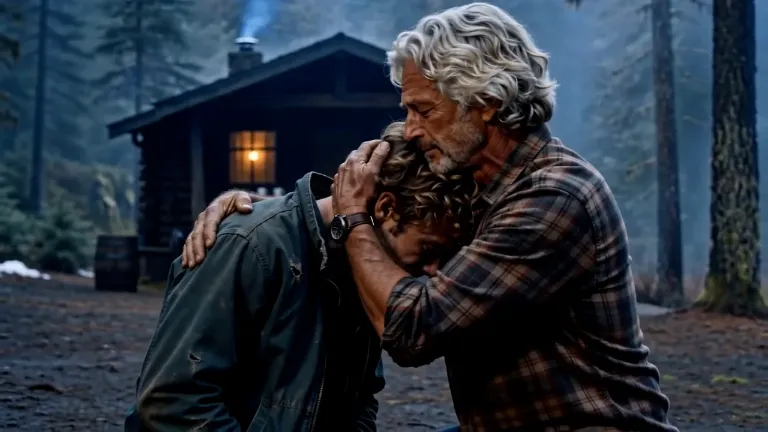
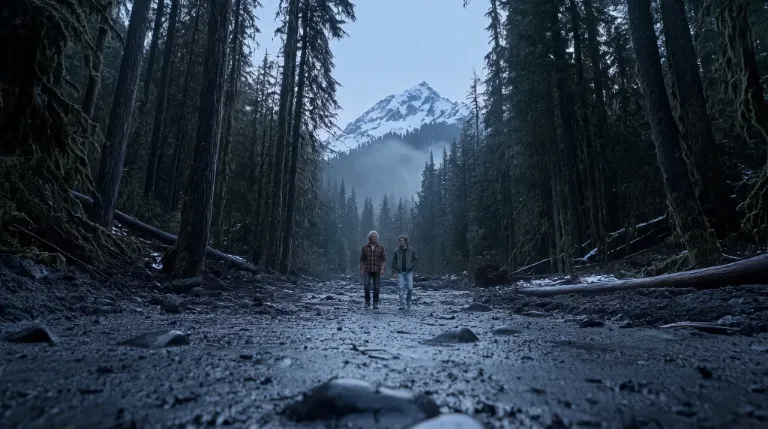
Frames from the studio’s films
Samsung, proteanTecs, Scorli and TRUE NORTH, directed by Daniel Atzil and his team.

Samsung Galaxy S25 proteanTecs Scorli TRUE NORTH Samsung Galaxy S25 
proteanTecs 
Scorli 
TRUE NORTH





Questions and answers: what else do people ask about video briefs?
What should a video production brief include?
The objective in one sentence, the audience, the one message, the mandatories, reference films, every deliverable by length, shape and language, where the film will run, the usage rights, whether AI may be used, a budget range, the key dates and the names of the approvers. One page is enough if every line is specific.
How long should a video brief be?
One page, sometimes two. A brief has to be read and remembered by everyone working on the film, and a long brief hides the one sentence that matters. Put background material, brand guidelines and past research in attachments, and keep the brief itself to the decisions the studio needs to quote and to start.
Should I tell a video studio my budget?
Yes, as a range before tax. The same brief can be made in a week or a month, and studios design to the budget they are given. Without one, each studio guesses the size of the job and the quotes compare guesses. Keep the production budget and the media budget separate so neither eats the other.
What is the difference between a creative brief and a production brief?
A creative brief covers the problem, the audience and the message, and starts the idea. A production brief adds what a studio needs to price and schedule the work: deliverables, where the film will run, rights, budget, dates and approvals. For a video, send the production brief; it contains the creative one.
How many studios should I send a brief to?
Two to four is usually enough to compare. Send the same brief to each on the same day, with the same deadline for questions and quotes, and say how you will choose. More than that takes longer to read than it saves, and studios that know they are one of ten may not answer.
How do I compare video production quotes?
Line by line, on scope, rounds of changes, rights and schedule. Check that each quote lists every deliverable in your brief, how many rounds it includes at each stage, which media, countries and term the price covers, and the dates for the first cut and delivery. A much lower quote usually leaves one of those out.
What usage rights should I ask for?
The media, the countries and the term you actually need: for example web, social and paid ads, worldwide, for two years. In productions with union actors, use is often bought in cycles; SAG-AFTRA’s 2025 contracts price cable and streaming use in 4-week, 13-week or one-year cycles. Ask for the licence in writing, music and voices included.
Who owns a video made with AI?
It depends on the contract and on how the film was made. The US Copyright Office found in January 2025 that prompts alone do not make AI output protectable, while human selection, arrangement or modification in the result can be. Ask the studio what it delivers and licenses to you. ArcaneWiz gives clients full worldwide commercial rights to the final film.
Do I need to disclose that a video was made with AI?
Sometimes. Since 2 August 2026, the EU AI Act requires deepfakes of real persons, places or events to be disclosed. Meta labels ads made or significantly edited with AI tools as “AI info”, and YouTube asks creators to disclose realistic synthetic content. State in the brief whether real people or places appear, and ask the studio which rules apply.
Should a brief include a script?
Usually not. Writing the script is part of what you hire a studio for, and a brief that dictates every line leaves it nothing to add. Give the message, the proof and the mandatory lines, and approve the script the studio writes before production starts. If you already have an approved script, attach it and say so.
How much detail should references have?
Two or three films you like and one you do not, each with a sentence on why: the pace, the look, the tone, the humour. A link without a reason only shows taste; with the reason, it shows what you want from this film. References are guidance for the studio, not a request to copy them.
What dates belong in a video brief?
The date quotes are due, the kickoff, the first cut you need to see and the go-live date. Say which are fixed and which can move. At ArcaneWiz, delivery is 7–10 working days from an approved brief, so the go-live date decides when the brief must be approved, not when it is sent.
Who should approve a video brief?
Everyone who will approve the finished film, before it goes out. A new approver who sees the film only at the last round is the most common cause of late changes. Name them in the brief, give one person the final word, and invite them to the script and storyboard review, where changes are still cheap.
Can I reuse one brief for several videos?
For a series, yes, with one shared section for the audience, message, look and rights, and one short section per film for its objective, length and dates. For unrelated films, write separate briefs. A single brief stretched over different goals produces films that are each a little wrong.
Sources
Read on 22 November 2026. Contracts, laws and platform specs change; the dates are on each page. A summary, not legal advice.
- IPA, “One third of marketing budgets could be wasted” (13 October 2021, updated 6 March 2025), on the BetterBriefs Project
- IPA, “New better briefing best practice guide to address industry shortcomings” (6 July 2022)
- SAG-AFTRA, “2025 Commercials Contracts Summary”
- U.S. Copyright Office, “Copyright Office Releases Part 2 of Artificial Intelligence Report” (29 January 2025)
- Goodwin, “Not Delayed, Not Deferred: EU AI Act Transparency Obligations Are Now in Force” (3 August 2026)
- Meta Newsroom, “Expanding GenAI Transparency for Meta’s Ads Products”
- YouTube Help, “Disclosing use of altered or synthetic content”
- LinkedIn Marketing Solutions, “Video ads: specs”
- Meta Business Help Center, “Best practices for aspect ratios in Meta ads”
- Amazon Ads, “Streaming TV & Prime Video ad specs”
Further reading on this site
Send Daniel your brief, or write it with him.
Daniel Atzil and his team read every brief before they quote, and ask what is missing. You get a fixed scope and a fixed price, from $3,000, before any work starts, and the film in 7–10 working days from an approved brief.