
Explainer videos that build brand awareness: Which style, how long, what it costs and how to tell it worked
An explainer builds awareness when people remember whose it was, not when they press play.
Book a discovery callFind the style for your explainer
Surveys, platform rules and market prices read on each source’s own page on 20 November 2026.
- ReachVisitors who came looking for youPeople scrolling past, often without soundViewers waiting for the video they choseA room or a call you already have
- AttentionA first frame that says what it isMovement and the product in the first secondName and problem before the skip buttonThe problem the room already feels
- UnderstandingWhat it does and for whom, in a minuteOne idea per cutOne promise, said onceHow it works, step by step
- MemoryThe same look and voice as the rest of the siteA character or colour seen again and againThe brand early and more than onceOne picture they can retell
- RecallThey come back by nameThey search for the name laterThey pick you from a listThey say your name in the next meeting
From a view to a memory, step by step
- Length
- About a minute; two at most6 to 30 seconds a cutA 6-second bumper or a 15–30-second cutUp to two minutes
- Brand cue
- Name and look on the first frameName or character in the first secondsInside the first 5 secondsThe name said aloud, early
- Measure with
- Plays, and searches for your nameViews to the end of each cutA Brand Lift study“How did you hear about us?”
Platform rules and figures are sourced at the end of the guide.
The short answer
Yes, explainer videos build brand awareness when viewers can tell whose explainer it was. In Wyzowl’s 2026 survey, 93% of video marketers said video helped them increase brand awareness, and 96% of people said they had watched an explainer to learn about a product or service 1. The style matters less than three choices: show the brand early, keep one idea per cut, and measure memory, not views.
- Keep it between 30 seconds and two minutes: 71% of people say that range works best 1.
- In a YouTube ad, show the name before 5 seconds, when viewers can skip 9.
- Use assets only you have, a character, a colour, a sound: Ipsos found them more effective than showing or talking about the brand 4.
- Professional studios charge about $5,000 to $25,000 a minute for animation; a custom explainer takes 6 to 8 weeks 6 7.
- Measure awareness with a lift study: Google’s Brand Lift starts at $5,000 over 10 days for one question in its lowest-priced countries 12.
What is an explainer video?
An explainer is a short video that answers one question a buyer has: what is this, how does it work, why should I care. Most run between 30 seconds and two minutes, and many are animated, because animation can show what a camera cannot: the inside of a product, a process that takes months, an idea.
It is the most familiar business video there is. In Wyzowl’s 2026 survey, 68% of video marketers had made explainer videos, and 96% of people said they had watched one to learn more about a product or service 1.
- Answers
- One question: what it is, how it works, or why it matters
- Runs
- 30 seconds to two minutes, then cut down for each placement
- Made as
- Drawn animation, motion graphics, live action, a screen recording, or AI-generated film
- Lives
- Homepage, product pages, social feeds, ads, sales calls and events
Do explainer videos increase brand awareness?
Marketers say so, and buyers say they watch them. Both are surveys, not a measure of memory.
- 93%of video marketers say video helped them increase brand awareness 1
- 93%say video increased people’s understanding of their product or service 1
- 96%of people have watched an explainer to learn about a product or service 1
- 71%of people say videos of 30 seconds to two minutes work best 1
Read the figures for what they are: what marketers and consumers report in Wyzowl’s yearly survey, not what viewers remembered 1. The brand-awareness figure was 96% a year earlier and 90% the year before that 1, so even the people who make the videos do not all see the effect, and the ones who do are reporting a belief.
Awareness is also slow work. In the IPA’s studies of advertising effectiveness, Les Binet and Peter Field put the best budget split at about 60:40 between brand building and sales activation, and at 62:38 in a later report 5. An explainer that only asks for the click sits on the activation side. One that leaves a picture and a name behind does brand work as well, and that part pays back over months, not days.
The rule behind every choice below
Awareness is not a view. It is a memory with your name on it.
Which explainer styles are there?
Six styles, each good at a different job. Prices are for a custom 60-second video unless marked.
2D character animation
$8,000–$25,000
Drawn characters living through the buyer’s problem and its fix. The style best able to give a brand a face of its own.
- Good at
- Stories, emotion, a character who returns
- Watch for
- A character that looks like everyone else’s
- Source
- Market range, custom 60 seconds 6
Motion graphics
$5,000–$20,000
Type, shapes, icons and pieces of interface in motion. Clear for abstract ideas, data and software.
- Good at
- Processes, numbers, how a system works
- Watch for
- Template looks that many brands share
- Source
- Market range, custom 60 seconds 6
Whiteboard animation
$3,000–$15,000
A hand drawing the story as the voice tells it. Plain, familiar and cheap to change.
- Good at
- Teaching a sequence step by step
- Watch for
- It reads as training more than brand
- Source
- Market range, custom 60 seconds 6
Live action
priced by the shoot
Real people, real places, the real product. The most literal style, and often the most trusted.
- Good at
- Physical products, services, founders
- Watch for
- Every change needs a new shoot
- Needs
- A crew, a location and a cast
Screen-recording explainer
tools you already have
The real product on screen with a voice over it. Honest, and quick to update.
- Good at
- Software and how-to
- Watch for
- Little story and little brand
- Best for
- Product pages and the help centre
AI-generated film
ArcaneWiz from $3,000
Directed scenes made with generative tools: worlds, characters and product shots without a shoot.
- Good at
- Scale and spectacle on a smaller budget
- Watch for
- Characters that drift from shot to shot
- Delivery
- 7–10 working days from an approved brief
The style is a means. The test of each one is the same: after the video, can a viewer say whose it was and what it does? A whiteboard explainer with a recurring character and a colour that belongs to the brand passes that test more easily than a lavish 2D film that looks like its competitors.
Which style fits your explainer?
Four answers about the explainer you need. The shortlist changes as you change an answer.
Find the style for your explainer
Answer for this explainer, not for every video you will ever make.
Start with
A rule of thumb from what each style does well, not a ranking of studios.
How long should an explainer be?
As long as one idea takes, and no longer. 71% of people in Wyzowl’s 2026 survey said videos of 30 seconds to two minutes are the most effective 1. Wistia’s analysis of more than 13 million videos on its platform points the same way: videos under a minute hold viewers for about half their length on average, and in videos of one to five minutes most viewers leave around the halfway point 2.
Explainer length by placementAd limits from Google; the rest as guidance
| Placement | Length | What the first seconds must do |
|---|---|---|
| Homepage | About a minute | Say what it is before the visitor scrolls |
| Product page | Up to two minutes | Show the product working |
| YouTube skippable ad | 15 to 30 seconds | Name and problem before the skip button at 5 seconds 9 |
| YouTube bumper ad | 5 to 6 seconds, not skippable 9 | One image and the name |
| Reels, Shorts and TikTok | 6 to 30 seconds | Movement and the product in the first second |
| Sales call or event | Up to two minutes | Start from the problem the room already feels |
The 30-second cut matters on YouTube for a second reason: on skippable in-stream ads the advertiser pays when a viewer watches 30 seconds, or the whole ad if it is shorter 10. A 30-second version that has said everything by then wastes nothing.
Make the long version first, then cut it down. A 60-second master yields a 30-second cut, a 15-second cut and a 6-second bumper, as long as the script was written in short, self-contained beats.
What makes an explainer memorable?
People forget most of what they watch. These five choices decide whether they remember who made it.
The brand early, and more than once
The name or the character on screen in the first seconds and again at the end. On YouTube, viewers can skip after 5 seconds 9.
Assets only you have
A character, a colour, a sound, a way of drawing. Ipsos found distinctive brand assets more effective than showing or talking about the brand 4.
One idea
The question the explainer answers, in one sentence. Every scene that does not serve it goes.
A picture people can retell
One image that carries the idea: the moment the problem turns. It is what people describe later.
The same voice everywhere
The same look, music and voice on the site, in the ads and in the sales deck, so each sighting adds to the last.
Strong assets are rare. Of the more than 12,000 brand assets in Ipsos’ database, from over 900 brands, only 15% reach its top “gold” status, and only one brand in five has a set strong enough to work consistently. Brands with many strong assets are 31% more likely to be considered and 38% more likely to be used than brands with few 4. A new asset works best beside the old ones: O2 introduced its Bubl robot in 2020 alongside its existing assets, and Ipsos credits that combination for its success 4.
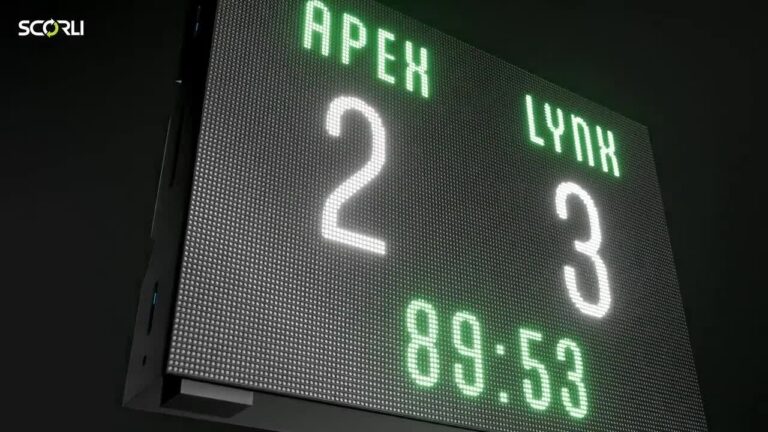
What does a 60-second explainer look like?
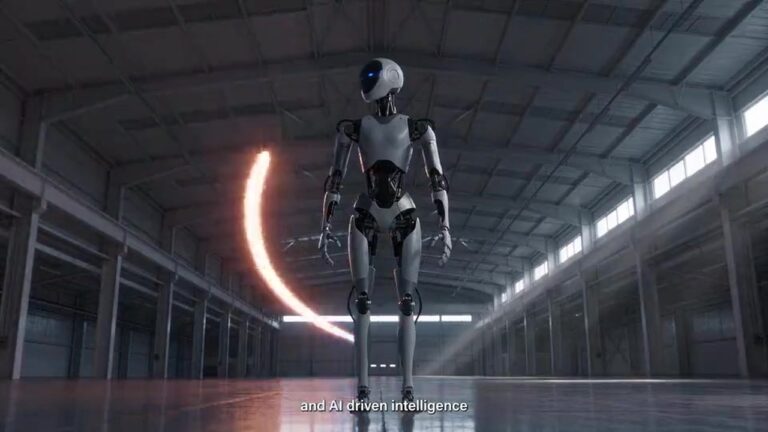
Five beats on one strip. Each frame is the job one part of the script has to do.
Five beats, one minute
 0:00–0:08
Problem
Where the viewer is, in their words, with a brand cue already on screen.
 0:08–0:15
Turn
The product enters: the one picture people will retell.
 0:15–0:45
How
Three steps at most, one idea per cut.
- 0:45–0:55
Proof
One fact with its source, or a result the customer approved.
- 0:55–1:00
Name
The brand said and shown, then one next step.
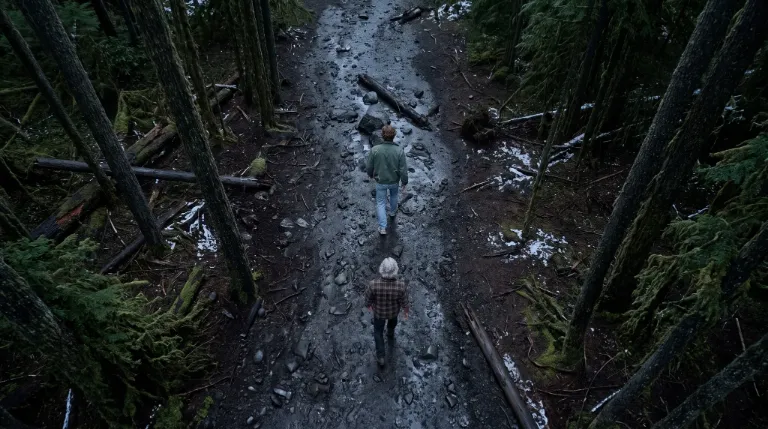
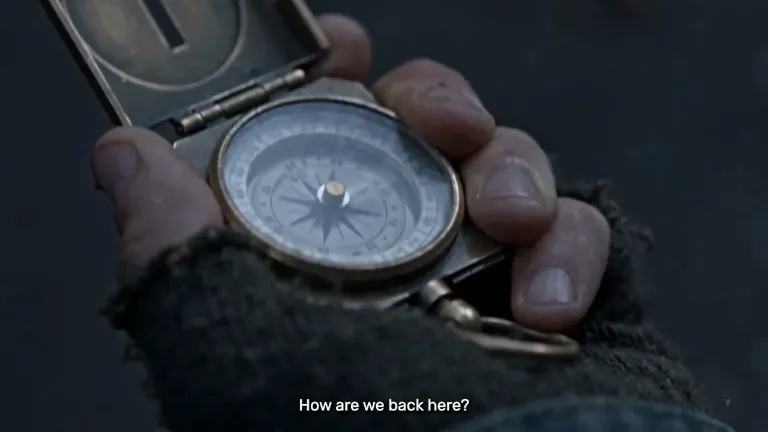
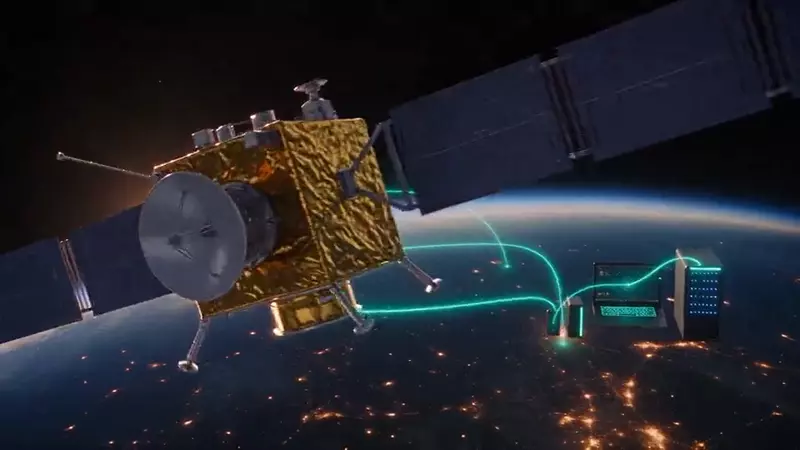
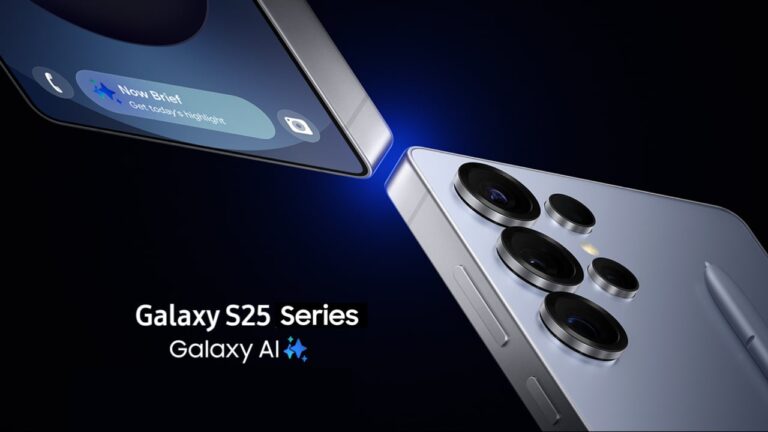

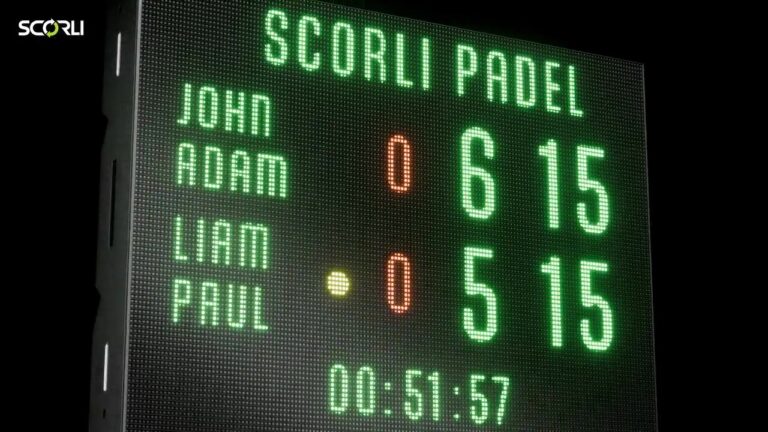
The frames are stills from the studio’s films, set out to show what each beat asks for; the timings follow the script template below.
How do you write an explainer script?
Five beats. Write them as five sentences before anyone draws a frame.
A 60-second explainer script
Length:        60 seconds (cut-downs: 30, 15, 6)
Viewer:        [who, and what they are doing when they see it]
One question:  [the question this explainer answers, in one line]

0:00–0:08  Problem  [the problem, in the viewer’s words] + [brand cue on screen]
0:08–0:15  Turn     [the product enters: the one picture people will retell]
0:15–0:45  How      [step 1] / [step 2] / [step 3]
0:45–0:55  Proof    [one fact with its source, or one result the customer approved]
0:55–1:00  Name     [the brand said and shown] + [one next step]

Brand assets:  [character] [colour] [sound or voice] [type]
Captions:      burned in for social; a caption file for the site
The problem
Start where the viewer is, in their words. If they do not recognise the problem in the first seconds, nothing after it lands. Put a brand cue on screen here, not only at the end.
The turn
The moment the product enters. One line, one image: the picture people will retell. Spend the most craft here.
How it works
Three steps at most. A fourth step belongs in a second explainer, or on the page under the video.
The name and the ask
The brand said and shown, then one next step. Time the read aloud before production: voiceover calculators such as Voices.com’s ask for a reading speed anywhere between 75 and 175 words a minute 14, so the same minute holds very different scripts. Read it at your narrator’s pace with a stopwatch.
How is an explainer made?
Seven steps from brief to cut-downs. Two of them end with your sign-off.
From brief to cut-downs
- BriefThe one question, the viewer, where it will run
- You approveScriptFive beats, read aloud against a stopwatch
- StoryboardOne frame per beat
- You approveStyle framesCharacter, colour and type, fixed
- AnimationScenes made and timed to the voice
- Voice and soundThe read, the music, the captions
- Cut-downs30, 15 and 6 seconds from the master
The two sign-offs are where time is saved or lost. A line changed in an approved script costs minutes; the same line changed after animation can mean making a scene again. Fixing the character and the colours on a style frame, before anything moves, is also what keeps an explainer recognisable from its first shot to its last.
A fully custom animated explainer generally takes 6 to 8 weeks from kickoff to delivery 6. ArcaneWiz makes AI-generated explainers in 7–10 working days from an approved brief.
How much does an explainer video cost in 2026?
Price per finished minute of animation, by who makes it.
Animated video price per minute, by producerMarket study, prices reviewed July 2026
| Who makes it | Price per minute | What you get |
|---|---|---|
| Templates and AI tools | $0–$1,000 | Fast, with a look other users share 7 |
| Freelancers | $1,000–$5,000 | One person’s skills and schedule 7 |
| Small and midsize studios | $5,000–$8,000 | A team, a process and revisions 7 |
| Established studios | $8,000–$25,000 | Custom characters and full production 7 |
| Broadcast studios | $25,000–$150,000+ | Television-grade work over months 7 |
From Yum Yum Videos’ July 2026 study of 61 quotes; it describes these as market references, not fixed rates. ArcaneWiz, for comparison: from $3,000 a project, 7–10 working days from an approved brief.
Style moves the price too. For a custom 60-second video, the same market reference puts motion graphics at $5,000 to $20,000, custom 2D animation at $8,000 to $25,000 and whiteboard animation at $3,000 to $15,000. A fully custom animated explainer generally takes 6 to 8 weeks from kickoff to delivery, with a median of 7 weeks across the quotes studied 6.
Template platforms sit at the other end. Vyond costs $99 a month for one user on its Starter plan, or $58 a month billed yearly, with exports up to 1080p 8. You get speed and a library of characters; you give up a look that belongs only to you, which is the part awareness depends on.
How much does an AI explainer cost?How video production is pricedArcaneWiz pricing
How do you get more from one explainer?
Plan the cut-downs with the script, not after the edit.
One production, six placements
- 60-second master, 16:9Homepage and product page: the whole story
- 30-second cutYouTube skippable ad: name and problem before 5 seconds 9
- 15-second vertical cut, 9:16Reels, Shorts and TikTok: one beat, the turn
- 6-second bumperYouTube: one image and the name 9
- CaptionsBurned into the social cuts; a caption file for the site 13
- Still framesThumbnail, email and sales deck: the picture people retell
The cuts only work if the script was written in self-contained beats. A story that needs all 60 seconds to make sense cannot be cut to six.
How do you measure brand awareness from a video?
Views count who pressed play. Awareness is whether people remember you, and only a comparison between people who saw the video and people who did not can show it. That is what lift studies do.
Google’s Brand Lift is a free measurement tool for video ads: short surveys appear on YouTube to people who saw the ads and to people who were eligible but did not see them, and the difference between the two groups is the lift 11. A study can measure ad recall, awareness, association, consideration, favourability or purchase intent, up to three at once 12. It is not open to every account; Google asks advertisers to contact their account representative 11.
Brand Lift minimum spend on YouTubeIn the first 10 days of the study, US dollars
| Questions measured | Country group A | Group B | Group C |
|---|---|---|---|
| One | $5,000 | $10,000 | $15,000 |
| Two | $10,000 | $20,000 | $30,000 |
| Three | $20,000 | $60,000 | $60,000 |
Google assigns each country to a group; targeting countries in several groups uses the highest minimum. Enhanced Lift needs three times the standard minimum 12.
Below that budget, watch the signals that move when more people know your name: searches for the brand name in Google Search Console, direct visits, and the answers in a “how did you hear about us?” field. None of them proves the explainer did it alone; together, over months, they show whether awareness is growing.
How a lift study measures awareness
Animated, live action or AI-generated?
Animation, drawn or in motion graphics
AI-generated film, directed
- Worlds, characters and product shots without a shoot
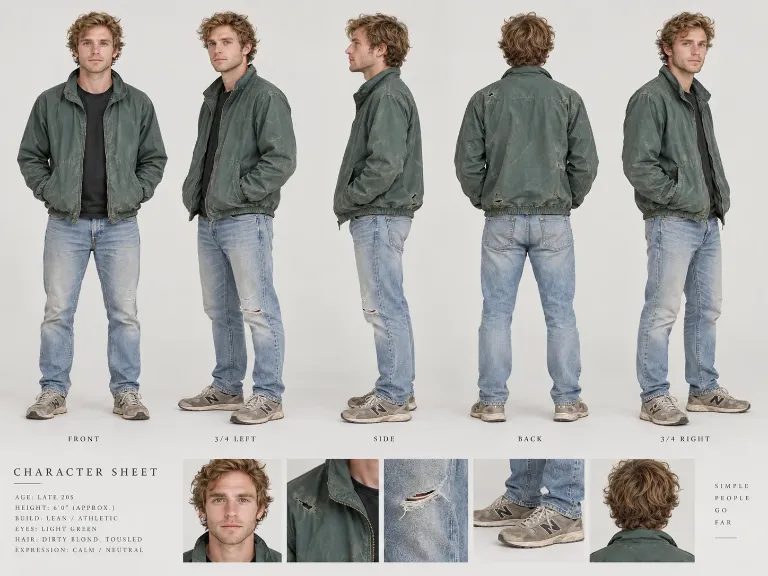
- Consistency comes from direction: a fixed character sheet and a fixed look
- ArcaneWiz: 7–10 working days from an approved brief
- ArcaneWiz: from $3,000 a project
AI is already in most video teams’ hands: more than a third of the professionals in Wistia’s State of Video survey use AI in their video workflow, and nearly a quarter more plan to start 3. What separates an explainer people remember from one they do not is still the same: a character that stays itself from shot to shot, and a look nobody else has.
Live action stays the right call when the viewer needs to see a real person or the real thing: a founder, a clinic, a dish. Many explainers mix the three, with real product shots inside an animated or generated world.
What are the most common explainer mistakes?
Six that cost awareness. Turn each card for the fix.
Brand
The logo only at the end
The fix
Many viewers never reach it. Put the name or character in the first seconds; on YouTube the skip button comes at 5 9.
Message
A list of features
The fix
Six features, remembered by nobody. One idea and one picture.
Length
One cut for every placement
The fix
A 90-second homepage film in a 6-second slot. Plan the cut-downs with the script.
Look
A look anyone could have
The fix
Template characters and stock music belong to every brand that bought them. People remember what is distinctive 4.
Access
No captions
The fix
Without captions the words are lost to anyone watching without sound, and WCAG requires captions for prerecorded video with sound 13.
Proof
Counting views as awareness
The fix
A view is not a memory. Ask people, or run a lift study 11.
What do the terms mean?
- Explainer video
- A short video that answers one question about a product or service: what it is, how it works or why it matters.
- Brand awareness
- How many people in a market know the brand and can recognise it or recall it.
- Ad recall
- Whether people remember seeing the brand’s ad; one of the metrics a lift study can measure 12.
- Brand Lift
- Google’s survey-based measurement of how much video ads change brand metrics, comparing people who saw the ads with people who did not 11.
- Distinctive brand asset
- A character, colour, sound, shape or phrase people link to one brand without seeing its name 4.
- Motion graphics
- Animated type, shapes, icons and interface elements rather than drawn characters.
- Whiteboard animation
- A hand drawing the story on a white surface while the voice tells it.
- Cut-down
- A shorter version cut from the master for one placement.
- Bumper ad
- A YouTube ad of 5 to 6 seconds that viewers cannot skip 9.
When should a studio make your explainer?
When the explainer has to carry the brand, not only the facts.
Templates, tools or a freelancer
- A how-to or help video that changes often
- Someone on the team can write and direct
- $0 to $5,000 a minute 7
- As fast as your team works
A studio
- The explainer that introduces the brand: homepage, launch, ads
- Characters, look and voice designed to be remembered
- ArcaneWiz: from $3,000 a project
- 7–10 working days from an approved brief

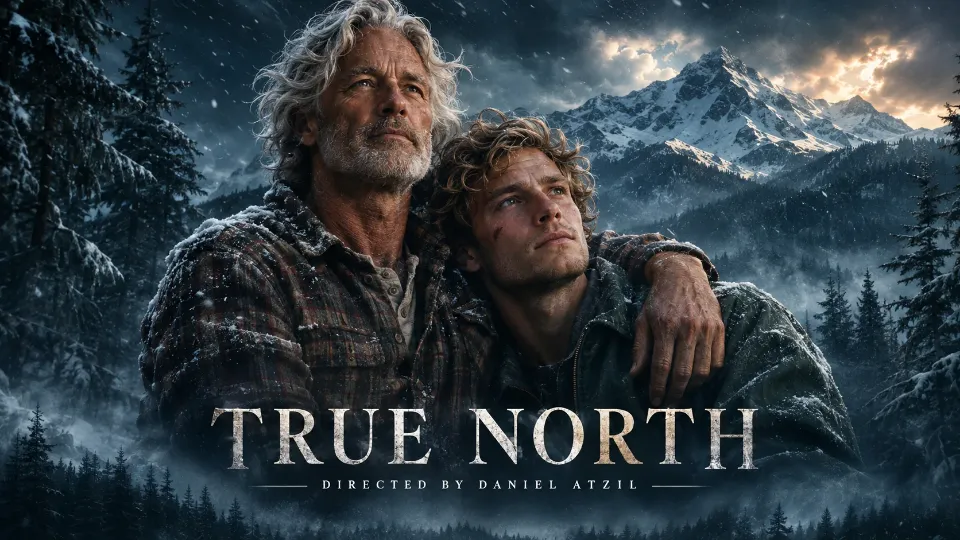
Frames from the studio’s films
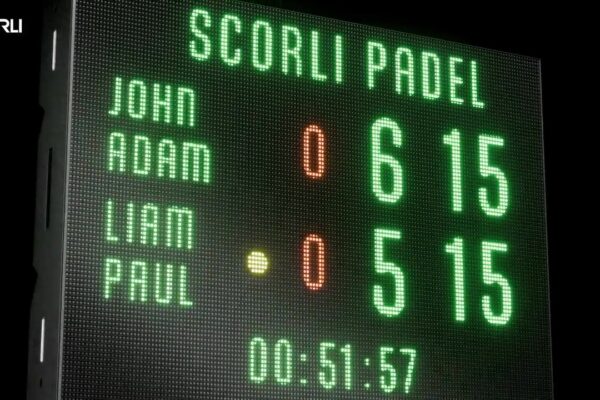
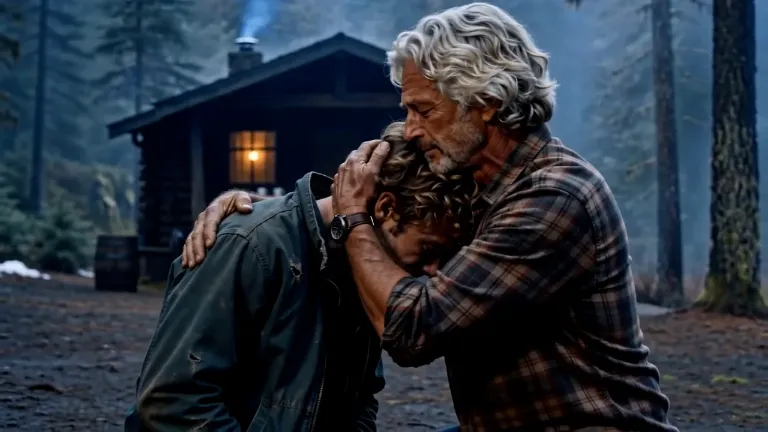
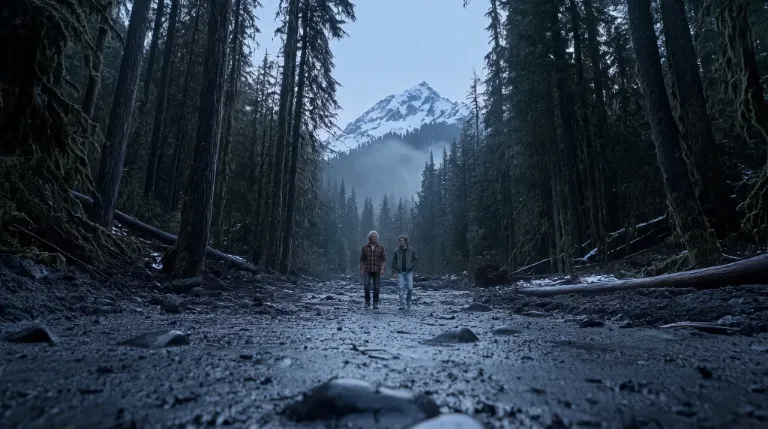
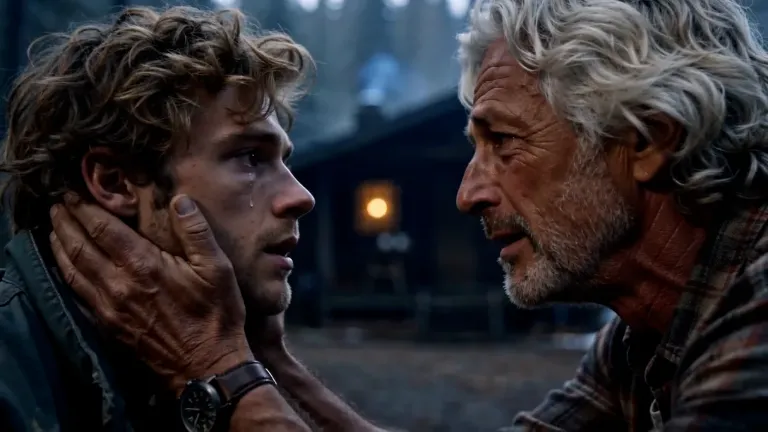
Samsung, proteanTecs, Scorli and TRUE NORTH, directed by Daniel Atzil and his team.
proteanTecs 
Scorli TRUE NORTH proteanTecs 
TRUE NORTH TRUE NORTH TRUE NORTH TRUE NORTH


Questions and answers: what else do marketers ask about explainer videos?
Do explainer videos increase brand awareness?
They can, when viewers remember whose explainer it was. In Wyzowl’s 2026 survey, 93% of video marketers said video helped them increase brand awareness, and 96% of people said they had watched an explainer to learn about a product or service. Those are reported beliefs, not measured memory; a lift study or rising searches for your name show the effect.
What is the best length for an explainer video?
Between 30 seconds and two minutes for most uses: 71% of people in Wyzowl’s 2026 survey said that range works best. Wistia’s data shows videos under a minute keep viewers for about half their length on average. Make a 60-second master, then cut 30-, 15- and 6-second versions for ads and social.
How much does an animated explainer video cost in 2026?
Yum Yum Videos’ July 2026 market study puts animation at $0 to $1,000 a minute with templates and AI tools, $1,000 to $5,000 with freelancers, $5,000 to $8,000 at small and midsize studios and $8,000 to $25,000 at established studios. ArcaneWiz starts at $3,000 a project.
How long does it take to make an explainer video?
A fully custom animated explainer generally takes 6 to 8 weeks from kickoff to delivery, with a median of 7 weeks in Yum Yum Videos’ 2026 study of quotes. Template tools take days. ArcaneWiz delivers AI-generated explainers in 7–10 working days from an approved brief.
Which explainer style is best for brand awareness?
The one that gives the brand something only it has: a recurring character, a colour, a sound. 2D character animation does this most naturally, but any style can if the assets are distinctive. Ipsos found distinctive brand assets more effective than showing or talking about the brand.
Should the logo appear at the start or the end of an explainer?
Both, and in between if you can. Many viewers never reach the end, and on YouTube skippable ads they can skip after 5 seconds. Put the name, the character or the brand colour on screen in the first seconds, inside the story, and say the name again at the close.
How do you measure brand awareness from a video campaign?
Compare people who saw the video with people who did not. Google’s Brand Lift does this with short surveys on YouTube and can measure ad recall, awareness, consideration and more. Below its minimum spend, track searches for your brand name, direct visits and a “how did you hear about us?” field over months.
What is YouTube Brand Lift and what does it cost?
A free Google measurement tool for video ads that surveys people who saw the ads and people who were eligible but did not. The study itself is free, but the campaign must spend a minimum in its first 10 days: $5,000 for one question in Google’s lowest-priced country group, up to $60,000 for three questions in the highest.
Is an AI-generated explainer as good as an animated one?
It can be, if it is directed: a fixed character sheet, a fixed look and a script with one idea. The risk with generative tools is drift, a character that changes from shot to shot, which works against memory. Directed well, it gives worlds and product shots without a shoot, in days rather than weeks.
How many words should a 60-second explainer script have?
Fewer than most first drafts. Voiceover calculators such as Voices.com’s ask for a reading speed anywhere between 75 and 175 words a minute, so the same minute can hold very different scripts. Read the script aloud at your narrator’s pace with a stopwatch, and cut until the five beats fit with room to breathe.
Where should an explainer video go on a website?
On the homepage near the top, where a visitor decides whether to stay, and on the product page beside the thing it explains. Give it a first frame that says what it is, a caption file, and the key words on the page as text too, so search engines and AI answers can read what it says.
Do explainer videos need captions?
Yes. Captions carry the words to anyone watching without sound and to viewers who are deaf or hard of hearing, and WCAG success criterion 1.2.2 requires captions for prerecorded video with sound. Burn them into the social cuts, and publish a caption file with the version on your site.
Can one explainer work for ads and for the website?
Yes, if it is planned that way. Write the script in short, self-contained beats, make a 60-second master for the site, then cut a 30-second ad, a 15-second vertical version and a 6-second bumper. A story that needs every second to make sense cannot be cut down.
Are animated characters good for brand recognition?
They can become one of a brand’s strongest assets, because a character can return in every video and nobody else can use it. Ipsos found that only 15% of the assets it tested reach its top status, and that new assets work best alongside existing ones, as with O2’s Bubl robot in 2020.
Sources
Read on 20 November 2026. Prices and platform rules change; the dates are on each page.
- Wyzowl, “Video Marketing Statistics 2026”
- Wistia, “How to Choose the Right Marketing Video Length for Any Goal” (1 July 2025)
- Wistia, “State of Video Report”
- Ipsos, “Recognisably You” (2026)
- IPA, “The next chapter for The Long and The Short of It” (13 September 2023)
- Yum Yum Videos, “How Much Does an Explainer Video Cost in 2026?”
- Yum Yum Videos, “How Much Does Animation Cost Per Minute in 2026?”
- Vyond, pricing
- Google Ads Help, “About video ad formats”
- Google Ads Help, “Skippable in-stream ads”
- Google Ads Help, “About Brand Lift”
- Google Ads Help, “Set up Brand Lift”
- W3C, “Understanding SC 1.2.2 Captions (Prerecorded)”
- Voices.com, workload calculator
Further reading on this site
An explainer people remember needs a director.
Tell Daniel Atzil and his team what your explainer has to leave behind. You get a fixed scope and a fixed price, from $3,000, before any work starts, and a film made to be remembered in 7–10 working days from an approved brief.