The short answer: 25 questions, sorted by the decision each one unblocks
Most AI video FAQs are a flat list. Buyers do not read them that way. A marketing lead asks questions in a fixed order: can I trust the quality, what will it cost me, what do I sign, and what happens if I do not like it. This page answers 25 questions in that order, in plain words, with the exact terms ArcaneWiz works to. Where a question has no honest one-line answer, we say what it depends on.
Making a film for a tech company? See AI video production for tech companies — investor, launch, demo and training films from $5,000, in 7–10 working days.
The studio is run by Daniel Atzil, who has directed and edited for more than 20 years, and his team. The footage is generated with AI tools and directed like a film: script, storyboard, shot selection, edit, color and sound. If you are choosing between studios, read this next to our guide on how to choose an AI video production partner.
How to use this page
Match your situation to the section that holds your open question, then skip the rest.
| If your open question is… | Go to | What you will have afterwards |
|---|---|---|
| “Is this good enough to put my brand on?” | Part 1 (questions 1–6) | A quality bar you can test with a short checklist |
| “What will it cost and how long will it take?” | Part 2 (questions 7–12) | The price floors, the delivery window and what moves each |
| “What do I sign, and who can use the film?” | Part 3 (questions 13–18) | The rights wording and the confidentiality position |
| “What does working together look like?” | Part 4 (questions 19–25) | The approval points, the revision rule and how to start |
Part 1: Quality and credibility (questions 1–6)
1. What is AI video production?
It is film production in which the footage is generated by AI models instead of shot with a camera, crew and location. The production around the footage stays the same: a concept, a script, a storyboard, a look, an edit, a color grade and sound. At ArcaneWiz, Daniel and his team write and art-direct the film, generate the shots with tools such as Midjourney, Veo, Kling and Seedance, and cut it like any other commercial. The difference is what you do not pay for: no crew days, no locations, no actors.
2. Is it good enough for broadcast and paid media?
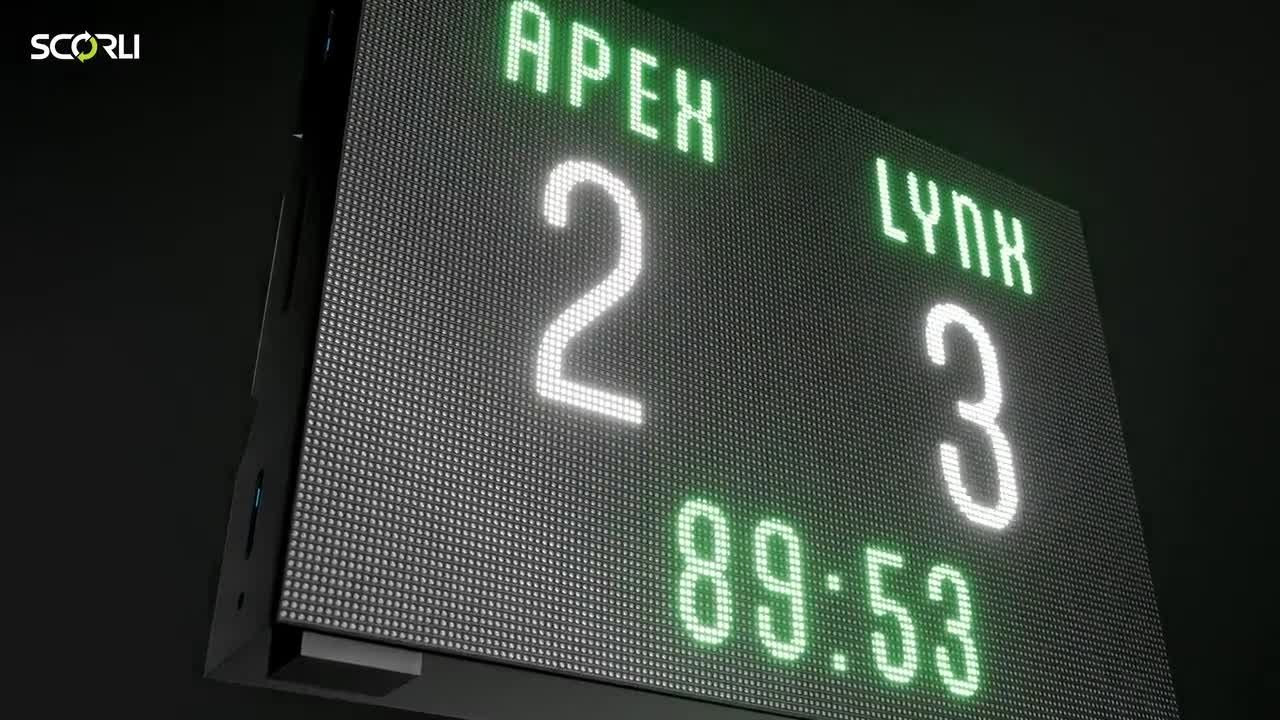
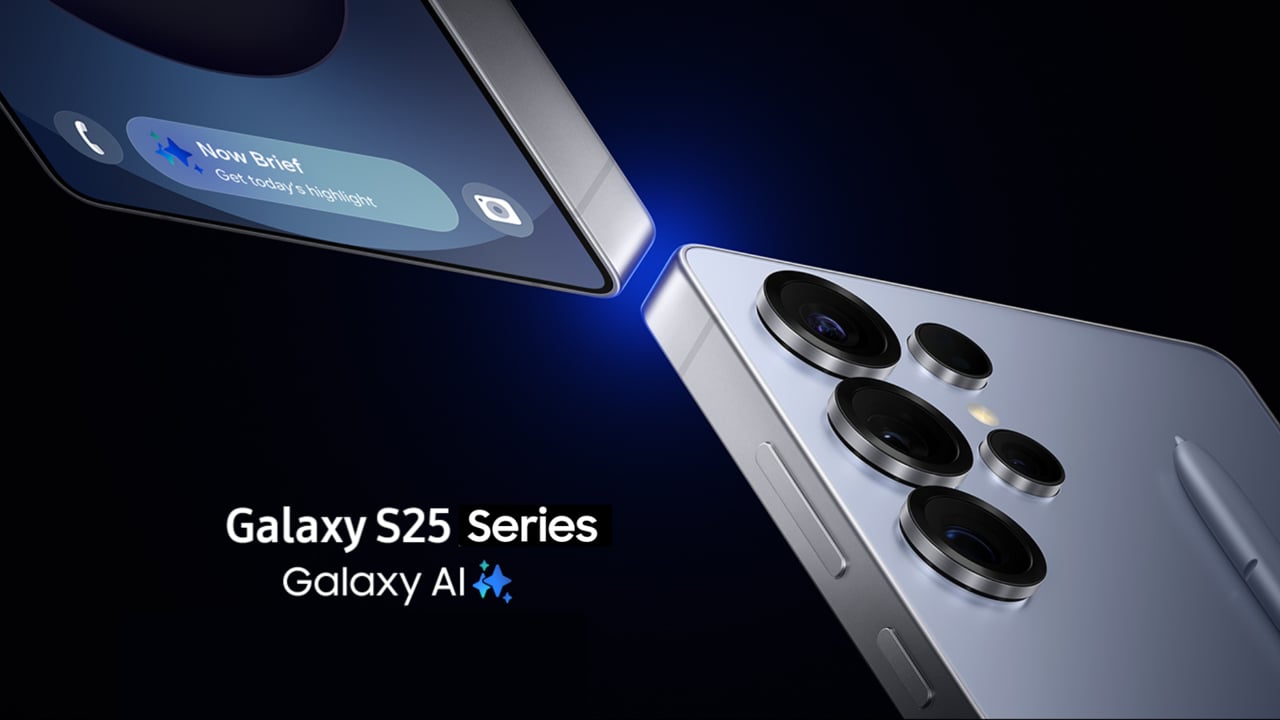
The right test is the film, not the claim. Watch the Samsung Galaxy S25 commercial (29 seconds, 16:9) and the Scorli investor film (one minute) on their own pages, full screen. Our terms include commercial and broadcast use of the final film, so the licence is not the limit. Whether a given spot suits a given placement is a creative call we make with you at the storyboard stage.
3. Will it look “AI-generated” in the bad sense?
The tells are well known: characters whose faces drift between shots, hands and text that break, motion that floats. They come from accepting the first output. A directed film is built by generating many takes, choosing the best, locking characters with reference sheets before scenes are generated, and fixing in the edit. Ask any studio how it keeps a character consistent across twelve shots. If the answer is a prompt, keep looking.
4. How is a studio different from an AI video tool?
A tool gives you a generator and leaves the direction to you. A studio hands you a finished film and takes responsibility for it. If you have an editor, a designer and a day to spare, tools can be right for a quick social clip. If the film has to carry a launch, an investor meeting or a campaign, someone has to own the script, the look and every shot. We compare the options openly in AI video studio vs freelancer vs in-house.
5. Can AI replace a live-action shoot entirely?
For commercials, product and tech films, investor films, explainers and brand films, often yes. It is not the right route when the film depends on a specific real person on camera: a founder interview, a customer testimonial, a live event. If your brief needs that, we will say so on the first call rather than force it. The honest comparison is in AI video vs traditional production.
6. Can you match my brand identity?
Yes, because the film is designed inside your brand: typography, colors, logo rules, product UI and tone of voice. Send a brand book or design system with the brief. If you have none, the visual direction is set with you at the storyboard stage, before anything is generated. For a product film we build from your real UI and device renders, not invented screens.
Part 2: Cost and time (questions 7–12)
7. How much does an AI video cost?
Video projects start from $3,000. Films for tech companies (investor, launch, demo, onboarding and training films, commercials) start from $5,000. The price moves with length, number of scenes, formats and deadline, and never with crew, location or actors, because there are none. That is why it runs 40–60% lower than traditional production. The current figures are on the pricing page, and how much an AI commercial costs explains what changes the number.
8. How long does it take?
7–10 working days from an approved brief. The clock starts when the brief is approved, not when you first write to us. What stretches it is on your side: slow approvals, a product that changes after the storyboard, or many language versions at the end. The day-by-day view is in how long an AI film takes.
9. Can it go faster?
A paid rush option exists. The surcharge is agreed in the quote for your scope, so we do not publish a figure or a day count here. Say on the first call that the date is fixed and why.
10. What is included in the price?
Concept and script, art direction, generation of every shot, edit, color grade, sound design, licensed music, the storyboard and cut reviews, and the finished film with the cuts agreed in the quote (widescreen, vertical and square). Voiceover in Hebrew and English is produced in-house. What the quote must spell out is in how to read an AI video quote.
11. How do I know what it will cost before I commit?
You get a scoped proposal after the discovery call, and you approve the scope and number before work starts. Nothing is generated before the script and storyboard are approved, so the quote does not drift.
12. Do you work on retainer?
Yes, for brands that need a steady flow of films. The scope and the monthly arrangement are set on a call, against the pricing page floors.
Part 3: Rights, ownership and confidentiality (questions 13–18)
13. Who can use the finished film?
You receive full worldwide, perpetual commercial and broadcast use of the final film from final payment. That covers web, social, paid media, TV, conferences and investor meetings. We describe it as use rights on purpose: that is the precise legal position, and the one you can rely on. The full explanation is in who owns an AI-generated commercial.
14. Is AI-generated footage copyrightable?
It depends on the human contribution. The US Copyright Office’s January 2025 report on copyrightability says that material generated purely by AI from a prompt is not protected, while human authorship around it (script, selection, arrangement, edit) can be. Nobody should promise you a registered copyright in every generated frame. Your usage rights, which are a matter of contract, are what you actually need to run the film. This is general information, not legal advice.
15. Is the music licensed?
Yes. Music is licensed for the film. There are no actors to release, no locations and no stock footage with its own territory and term, which removes the licence stack of a conventional shoot.
16. Will you sign an NDA?
A standard mutual NDA is available on request: we sign yours or send ours within the same business day. It matters most for unreleased products, fintech and investor material. Nothing from your project is shown publicly without your written approval.
17. Can you show the film in your portfolio?
ArcaneWiz keeps a portfolio and showreel right for finished, released films only. Nothing unreleased is shown, and your logo, product and brand assets remain yours.
18. Which AI tools are used, and does that matter to me?
Midjourney for look development, Veo for cinematic motion shots, Kling for character and product motion, Seedance for motion polish and continuity. They are sequenced per project by the creative director. The tools change every few months; the discipline of choosing and directing them is what you are paying for. See the tools overview for marketing teams.
Part 4: Working together (questions 19–25)
19. Who will I work with?
Daniel and his team, from the first call to the final master. Daniel founded the studio and has directed and edited for more than 20 years. There is no account-manager layer between you and the people making the film.
20. What do you need from me to start?
Five things make the first call sharp: the target audience, the format, the distribution channel, your deadline window, and one or two reference videos that capture the feel you want. A budget is not required for the first call. A rough brief template is below.
21. Where do I approve things?
At three points: the script, the storyboard and the cut. The storyboard is the cheapest moment to change direction, because nothing is generated before you approve it. All of it happens by email, with no meetings required. The stages are laid out in from brief to final cut.
22. How many revisions do I get?
Standard scope includes two major revision rounds and unlimited minor adjustments inside the agreed scope. Work beyond that, or a product change after the brief was approved, is quoted as an addition. The exact terms are written into your quote.
23. What if I do not like the concept?
The script and storyboard gates exist so that a major miss is rare: creative direction is locked before pixels are generated. If a cut still misses, we re-cut within the included revision rounds at no extra cost. If you want to see direction before committing, you can request a free AI video concept.
24. Can I start with one video and scale later?
Yes. A single film is a complete engagement. If it works, the look, the characters and the brand rules from the first project carry into the next, which is where multi-video work gets faster. The planning view is in the 90-day AI video roadmap.
25. What if AI video is the wrong choice for my project?
We will tell you on the call. If a project needs real people on camera or live coverage of an event, a conventional production serves you better, and a studio that sells you the wrong format is costing you time. Book the free 30-minute discovery call and ask exactly that.
A one-page brief you can send us today
Copy this into an email or the “what you need” field on Get Started. Four short lines are enough to start; the studio writes the concept and script from them.
- Product and audience: one sentence on what it is and who the film is for.
- Job of the film: the one action the viewer should take afterwards (book a demo, invest, onboard, remember the brand).
- Where it runs: website, paid social, a conference screen, an investor meeting, TV.
- Deadline and references: the date you cannot miss, and one or two films that feel right.
Which film for which job?
Many questions on this page come down to “what exactly should we make?”. Use this table to land on the right service page.
| Your job | Film type | Start here | Pricing floor |
|---|---|---|---|
| Raise money or brief a board | Investor film | Investor pitch video | from $5,000 |
| Show how the product works | Product demo | AI product demo video | from $5,000 |
| Teach customers or staff | Onboarding / training film | AI training video | from $5,000 |
| Sell a product or a campaign | Commercial or ad | AI commercial · AI video ads | from $3,000 |
| Say who you are | Brand film | AI brand film | from $3,000 |
Prices are floors; see /pricing/ for what moves them.
From first email to final master: the timeline in one view
Questions 8, 11 and 21 all ask about sequence, so here it is end to end. The production clock starts at the approved brief; everything before that is the conversation.
| When | What happens | What you do |
|---|---|---|
| Same business day | We reply to your brief and book the call | Send the four-line brief |
| Discovery call | 30 minutes with Daniel on audience, format, channel, deadline and references | Bring one or two reference films |
| Within 48 hours of the call | A scoped proposal with deliverables, schedule, revisions and rights | Approve the scope, or tell us what to change |
| Days 1–2 of production | Story and script | Approve the script |
| Days 2–3 | Look development and storyboard | Approve the storyboard before anything is generated |
| Days 3–7 | Generation, selection and direction of every shot | Nothing; this is the studio’s work |
| Days 7–9 | Edit, sound and color; you review the cut and agreed revisions are made | Send consolidated notes in one pass |
| Last day | Master delivered in the agreed formats | Check the files; rights vest on final payment |
The whole production is 7–10 working days from approved brief. Slow approvals add days one for one, which is why a single decision-maker on the storyboard is the cheapest speed-up you can buy.
What an honest answer sounds like, and what a red flag sounds like
Use these side by side when you put the questions above to any studio, including us.
| Topic | An answer you can rely on | A red flag |
|---|---|---|
| Quality | “Watch these two finished films and tell us what you would change” | “Trust us, it looks real” |
| Price | A floor, what moves it, and a written scope | A single number with no scope behind it |
| Rights | Written licence, with territory, term and start date | Sweeping ownership claims with nothing in writing |
| Schedule | Working days from an approved brief | “Days” with no starting point |
| Fit | “This one needs real people on camera; we are not the right choice” | Yes to every format |
How to test any studio with five questions
Whoever you hire, put these five questions to them in writing and compare the answers side by side. A vague reply to any of them is information.
- “Who directs the film, and what have they directed?” You want a named person with a body of work, not a role title.
- “What happens before anything is generated?” The right answer includes a script and a storyboard that you approve.
- “What exactly am I allowed to do with the film, and from when?” Look for a clear licence with a start date, territory and term.
- “How many revision rounds are in the price, and what counts as one?” A missing definition means a dispute later.
- “What do you do if the result is not right?” You want a process, not a promise.
The same list, extended to ten questions, is in how to choose an AI video production partner, and the quote side is covered in how to read an AI video quote.
Common mistakes buyers make, and the fix
| Mistake | Why it hurts | The fix |
|---|---|---|
| Comparing quotes by headline price | The scope, formats and revisions differ, so you compare two different products | Put both quotes into the same five lines: scope, deliverables, schedule, revisions, rights |
| Approving the storyboard late or in pieces | Changes after generation mean regenerated scenes and a longer schedule | One decision-maker signs off the storyboard in one pass |
| Briefing with adjectives (“premium, modern”) | The studio fills the gap with its own taste | Send two reference films and one sentence on what each does right |
| Skipping the rights line | Surprises show up when the film is already in paid media | Ask for the licence wording before you sign |
| Treating a first call as a sales call | You bring nothing and learn little | Bring the four-line brief above |
If you want to see how a specific film was made before you decide, the portfolio lists finished, released work, and the case studies go behind a few of them.
Frequently asked questions
Is this FAQ the whole story, or are there questions it does not cover?
Most buyers’ questions are covered here, but every project has one or two that are specific to it, such as a regulated claim or a product that is not yet public. The fastest way to get those answered is the free 30-minute discovery call with Daniel, where we cover them before any quote.
What is the single most important question to ask before choosing a studio?
Ask who directs the film and what that person has directed. Tools are available to everyone; direction is what turns generated clips into a film that holds together.
Do I need a script before I contact you?
No. Most companies arrive with a brief and a few bullet points, and the studio writes the concept and script. If you already have a script or a deck, we build the film around it and tighten it for the screen. Either way you approve the script before anything is generated.
How quickly will I hear back after I send a brief?
Our reply goes out within 24 hours, normally the same business day. Then we book the 30-minute call with Daniel and return a scoped proposal within 48 hours.
What are the prices, in one line?
Video projects start from $3,000 and films for tech companies from $5,000. Both are floors; length, scenes, formats and deadline move the number. See the pricing page.
How do I try the studio before committing?
Book the free discovery call, or request a free AI video concept and judge the direction on its merits before you decide anything.
Can an agency or a partner use ArcaneWiz for its own clients?
Yes. White-label and attribution arrangements are set out on the agency partnerships page.
Got a question this page did not answer?
Send a four-line brief and Daniel replies by email. Delivery is 7–10 working days from approved brief.